
The UAE’s real estate market has long been a measure of national confidence. But as the sector moves deeper into 2026, its strength is no longer defined only by record sales, new launches or rising prices. A more important shift is taking shape beneath the surface: real estate is becoming more digital, more data-led and more connected to the daily lives of residents, tenants, landlords and investors.
The earlier phase of growth was driven largely by demand, population inflows, infrastructure and investor confidence. Those forces remain powerful. Dubai’s property market had already reached a historic high in 2025, with total sales hitting Dh559.4 billion by the end of October, surpassing the previous full-year record of Dh522.1 billion set in 2024. In October alone, the market recorded 19,875 transactions worth Dh59.4 billion, pushing total deals for the year above 178,000.
But the next phase is being shaped by how the market operates. Buyers want clearer data. Investors want better visibility. Landlords want stronger yields and lower friction. Tenants want flexibility, rewards and recognition. Developers want sharper insight into what residents value beyond the unit itself. This is where proptech is moving from a support function to a core part of the real estate ecosystem.
From property ownership to operating infrastructure
For years, technology in real estate was largely associated with listings, virtual tours and online search. That is changing. The more mature opportunity now lies in the systems that sit around the asset: rent payments, tenant engagement, portfolio management, predictive analytics, financing, rewards, renewals and investor sentiment.
Rajneel Kumar, Co-Founder and COO of Rentify, said the UAE’s property market continues to attract confidence because it is supported by three structural strengths: population growth, policy consistency and long-term infrastructure investment. According to him, the country is becoming a permanent base for global talent, entrepreneurs, family offices and businesses, keeping demand resilient across ownership and rental segments.
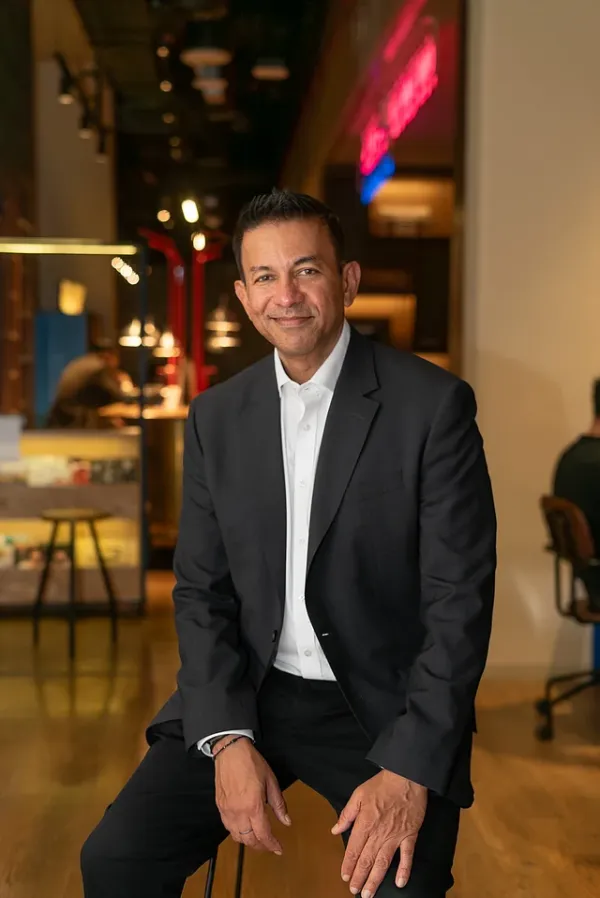
Rajneel Kumar, Co-Founder and COO of Rentify
From a rental perspective, the scale is significant. Kumar noted that the UAE rental market is estimated at around $52 billion, with annual rental turnover projected to grow from Dh180 billion today to more than Dh280 billion by 2030. He said the next phase of confidence will come from better operating infrastructure, including digital payments, financing, tenant engagement and data-led portfolio management.
That point marks a clear evolution in the property conversation. Investors are no longer only buying into buildings. They are buying into a more mature, technology-enabled real estate ecosystem.
Data becomes the new due diligence
The growing importance of data is changing how buyers and investors make decisions. In a high-value market, instinct is no longer enough. Investors want to understand pricing, rental demand, occupancy, renewal risk, payment behaviour and long-term yield before committing capital.
This is also changing the relationship between developers and residents. Data is helping developers understand what people value beyond location and price, including convenience, flexibility, community experience and ease of payment.
“Technology is shifting real estate decision-making from instinct-led to evidence-led,” Kumar said. He added that buyers and investors now expect clearer visibility on pricing, rental demand, occupancy, renewal risk, payment behaviour and long-term yield, while developers are using data to better understand resident expectations.
This aligns with the view expressed in the earlier article by Firas Al Msaddi, Chief Executive Officer of fäm Properties, who noted that Dubai remains one of the best global real estate markets for both end-users and investors, but success depends on informed choices supported by reliable data from Dubai Land Department and platforms such as DXBinteract.
In a market that continues to attract global capital, transparency has become a competitive advantage. Data gives buyers confidence, reduces uncertainty and allows investors to compare locations, assets and yields more accurately.
Dubai Marina with traffic on Sheikh Zayed Road.
Prediction markets enter real estate
The rise of data-led real estate is also creating new ways to measure sentiment. In June 2026, Stake launched StakePredict, described as the Middle East’s first real estate prediction market. The feature allows investors to forecast where Dubai’s property market is heading and compare their predictions against actual market outcomes.
Built into the Stake app, the Sharia-compliant quarterly prediction competition asks participants to answer questions on Dubai’s real estate market, including price movements, transaction activity, neighbourhood performance and wider market trends. Once submissions close, responses are assessed against independently published market data from Reidin, with participants ranked based on the accuracy of their predictions.
Rami Tabbara, Co-Founder and Co-CEO of Stake, said Dubai’s property market is one of the most closely watched in the world, with investors, analysts, brokers and residents constantly debating where prices are headed and which communities are emerging.
“Until now, there hadn’t been a structured way to capture and measure those views. StakePredict transforms market opinion into measurable insight, enabling investors to put their predictions on record and compare them against actual outcomes,” he said.
The significance of this is not just the gamification of property investing. It points to a broader shift in how market intelligence is being created. Real estate sentiment has traditionally been shaped by brokers, developers, analysts and transaction data. Prediction tools add another layer: what investors think will happen before it happens.
Over time, such platforms could become useful indicators of investor confidence, market expectations and behavioural trends.
Renting becomes part of the value chain
Technology is also reshaping one of the largest and most overlooked parts of the property market: renting.
Rent remains one of the biggest recurring expenses in residents’ lives, yet much of the rental process still depends on cheques, manual follow-ups and fragmented communication. For tenants, this can create financial pressure. For landlords, it can lead to payment delays, churn and weaker portfolio performance.

Rami Tabbara, Co-Founder and Co-CEO of Stake
Rentify is trying to address this through a broader rental ecosystem that includes digital rent payments, flexible payment options, tenant-landlord interactions and rewards. The company recently launched Rentify Belong, a rental rewards programme in the UAE that allows tenants to earn Belong Coins automatically with every on-time rent payment. These coins can be redeemed through the app for curated experiences across dining, wellness, luxury access and lifestyle services.
“Home isn’t a transaction, it’s a feeling,” said Rashed Hareb, Co-Founder and CEO of Rentify. Rajneel Kumar added that belonging is what makes the UAE home for millions of residents.
The platform has already onboarded more than 50,000 tenants across the UAE, according to the company, and is designed to make rent payments more affordable, predictable and simple by partnering with banks, credit cards and landlords.
This reflects a broader shift in tenant expectations. Kumar noted that 81% of tenants prefer more flexible rent payments, arguing that this insight should influence not only payment infrastructure but also product design, community strategy and retention planning.
For landlords, this is not simply about improving tenant satisfaction. It can directly affect financial performance. Tenant churn, vacancy, agent fees, onboarding costs and payment delays all reduce net operating income. A smoother rental experience can therefore become a yield-protection strategy.
Futuristic digital real estate search with housing icons on tablet screen.
Property discovery gets smarter
Technology is also changing how people discover property in the first place. Search platforms are moving beyond basic listings towards more transparent, efficient and accessible discovery journeys.
Mohamed Eissa Al Refaei, CEO of Omnitech Technology and Founder of Aqaree, said the platform was created to make property discovery more transparent, efficient and accessible for everyone involved in the real estate journey.
“We believe technology should bring people closer to opportunities while strengthening trust and confidence across the market. Aqaree is our contribution to supporting the continued growth, modernisation, and digital transformation of the UAE real estate sector,” he said.
This matters because the property journey is still fragmented for many buyers and tenants. Search, verification, financing, payment, documentation and management often happen across separate platforms and service providers. The future of proptech is likely to be defined by how effectively these steps are brought together.
Mohamed Eissa Al Refaei, CEO of Omnitech Technology and Founder of Aqaree, said the platform was created to make property discovery more transparent, efficient and accessible for everyone involved in the real estate journey.
“We believe technology should bring people closer to opportunities while strengthening trust and confidence across the market. Aqaree is our contribution to supporting the continued growth, modernisation, and digital transformation of the UAE real estate sector,” he said.
This matters because the property journey is still fragmented for many buyers and tenants. Search, verification, financing, payment, documentation and management often happen across separate platforms and service providers. The future of proptech is likely to be defined by how effectively these steps are brought together.
Resilience through integration
The older discussion around UAE real estate resilience focused on digital infrastructure, mobility, governance and diversification. That remains relevant. But the 2026 update is that resilience is now also being built through platforms.
Tobias Aebi, Partner at Arthur D. Little, noted in the earlier article that modern resilience requires a broader and more integrated approach across digital, physical and operational domains.
In real estate, that integrated approach is becoming visible. Digital property data supports smarter investment decisions. Prediction tools measure investor expectations. Rental platforms reduce friction between tenants and landlords. Rewards programmes turn rent into engagement. Discovery platforms make property search more transparent.
Together, these tools are changing the structure of the market. They are making real estate less dependent on isolated transactions and more connected to long-term user experience.
The next phase of UAE real estate
The UAE’s property market is entering a more sophisticated phase. Growth still matters, but how that growth is managed matters more. The strongest markets will not only be those with the highest sales values or most ambitious launches. They will be the ones where technology improves trust, transparency, liquidity, convenience and long-term retention.
For buyers, this means better information. For investors, it means clearer sentiment and stronger due diligence. For tenants, it means more flexibility and recognition. For landlords, it means better cash flow and reduced churn. For developers, it means a deeper understanding of what residents actually value.
The UAE’s real estate sector has already proven its ability to attract capital and sustain demand. The next competitive advantage will come from the digital and operating infrastructure that supports that demand.
As Kumar put it, “The future value of a property will increasingly depend on how easy it is to live in, pay for, manage and stay in.”
Dubai property market shifts to long-term investment destination, say analysts Dubai real estate activity picks up as stability prospects boost buyer confidence Dubai real estate enters post-conflict price discovery as supply, rents rebalance-
Dipika Kakar in hospital again, Shoaib shares health update

-
New Renault Kwid vs Maruti Alto K10: Who Wins?

-
Govt Issues Notice To Meta Over Child Sexual Abuse Material In Instagram Ads

-
Top 10 | ABP LIVE Afternoon Bulletin: Top News Headlines from 5 July 2026 - Afternoon

-
J&K: Eight officials suspended over 'pro-separatist' content in two books in school libraries