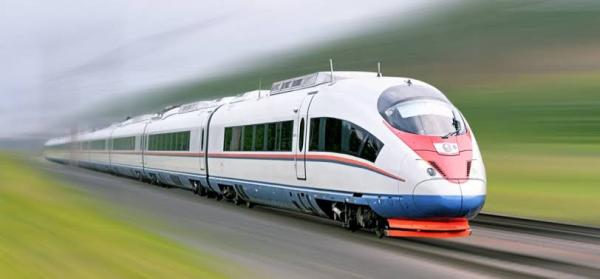
A major transportation transformation could be on the horizon for Bihar and North India. The proposed Delhi-Lucknow-Varanasi-Patna-Siliguri high-speed rail corridor is expected to drastically reduce travel times between some of India’s busiest cities, with Patna-to-Delhi journeys potentially taking less than five hours. The project is part of the Centre’s broader plan to develop multiple bullet train corridors across the country.
If implemented as planned, the corridor would significantly improve connectivity between Delhi, Uttar Pradesh, Bihar and West Bengal, while bringing high-speed rail travel to eastern India.
Patna to Delhi in Just 4 Hours 41 Minutes
One of the biggest highlights of the proposed corridor is the expected reduction in travel time between Patna and Delhi. The nearly 1,000-kilometre journey currently takes around 12 to 15 hours by conventional trains. Under the high-speed rail project, the same trip could be completed in approximately 4 hours and 41 minutes.
The dramatic reduction in travel time could make same-day business trips and faster intercity commuting a reality for thousands of passengers.
Route to Connect Key Economic Hubs
The proposed bullet train corridor will connect Delhi, Lucknow, Varanasi, Patna and Siliguri. It is expected to form part of India’s expanding high-speed rail network and serve several major economic, educational and cultural centres across North and East India.
Reports suggest the Delhi-Varanasi section will be developed first before being extended towards Patna and Siliguri. Once completed, the corridor could become one of the longest high-speed rail routes in the country.
Bullet Trains Could Run at 320 kmph
The proposed high-speed trains are expected to operate at speeds of up to 320 kmph, similar to the technology being deployed on the Mumbai-Ahmedabad Bullet Train project. India’s indigenous high-speed train programme is also progressing, with future trains potentially supporting even higher operational speeds.
At these speeds, travel times between major cities could be reduced by several hours, making rail travel more competitive with air transport.
Major Benefits for Bihar
The project is expected to deliver significant economic and infrastructure benefits for Bihar. Improved connectivity could boost tourism, business activity, logistics and investment opportunities across the state. Faster access to major urban centres may also encourage greater movement of people, goods and services.
Railway officials have also indicated that additional infrastructure investments are being planned across Bihar alongside the proposed bullet train network.
Long-Term Vision for High-Speed Rail
The Delhi-Patna-Siliguri corridor is among several high-speed rail projects being considered as India expands its transportation infrastructure. While detailed project reports and approvals are still progressing, the proposal highlights the government’s ambition to create a nationwide bullet train network connecting major regions of the country.
Summary
The proposed Delhi-Lucknow-Varanasi-Patna-Siliguri bullet train corridor could reduce travel time between Patna and Delhi from around 12-15 hours to just 4 hours and 41 minutes. Trains are expected to operate at speeds of up to 320 kmph, significantly improving connectivity across North and East India. The project is expected to boost economic growth, tourism and infrastructure development while bringing high-speed rail connectivity to Bihar.
-
John Terry says Thomas Tuchel wouldn't shout at Trent Alexander-Arnold the way he did at Djed Spence, as Piers Morgan calls the Tottenham defender a 'cocky little sod'

-
Trump Grants Pardons To 11 Convicts In Fresh Clemency Move

-
EXCLUSIVE | PoK Protesters Seek India's Help Amid Food Blockade, Back Reunification

-
Liverpool clarify Virgil van Dijk’s future amid transfer rumours

-
Cole Palmer says he could have brought 'something different' as the Chelsea star reacts to England World Cup omission