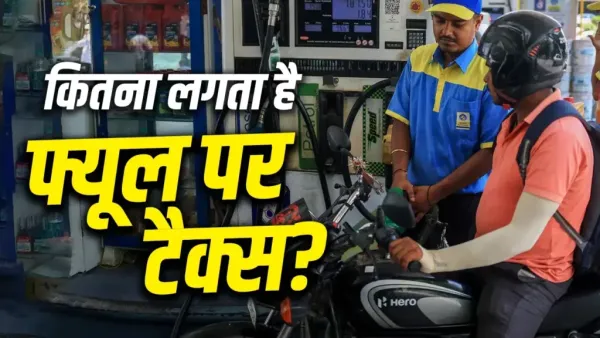
Knews Desk- Despite the fall in the prices of crude oil in the international market, there has not been a significant reduction in the prices of petrol and diesel in the country. A major reason for this is the taxes imposed by the central and state governments. Generally people’s attention goes to the excise duty of the Centre, but the states have a say in deciding the final price of fuel. VAT (Value Added Tax), Cess and Surcharge Also play an important role. This is the reason why there is a difference of several rupees in the prices of petrol and diesel in different states. In this tax system Bihar is being discussed the most. Apart from VAT on state petrol and diesel 30 percent additional surcharge Also charges, which is considered the highest in the country.
What is the tax model of Bihar?
Petroleum Planning and Analysis Cell (PPAC) According to the latest data, on petrol in Bihar 23.58 percent or Rs 16.65 per liter (whichever is higher) VAT is charged accordingly. Additionally on the amount of VAT 30 percent additional surcharge Is also collected, which is recorded as “Irrecoverable Tax”. Similarly, on diesel 16.37 percent or Rs 12.33 per liter (whichever is higher) VAT is levied and an additional surcharge of 30 percent is applicable on this. This system makes Bihar different from other states.
In which states are taxes levied more?
Although Bihar is at the forefront in terms of additional surcharge, the picture is different in terms of total tax.
- Telangana close to petrol 35 percent VAT Collects.
- Andhra Pradesh Extra per liter with VAT Road Development Cess Also takes.
- Tamil Nadu Adopts fixed tax model with percentage based VAT.
- Assam In India, both percentage based tax and minimum tax are applicable.
This is the reason why the prices of petrol and diesel are not the same across the country.
Why do states charge so much tax?
petrol and diesel still GST Are outside the scope of. The central government imposes excise duty on these, while state governments collect VAT, cess and other local taxes. Fuel revenue is a major source of income for states for road construction, health, education, social schemes and other development works. Therefore most states avoid making cuts in it.
Why not agree on inclusion in GST?
For many years there has been a demand to bring petrol and diesel under the ambit of GST. If this happens, then there may be considerable uniformity in fuel prices across the country and petrol and diesel may also become cheaper in many states. But states fear that this will reduce their revenue and also reduce their freedom to set taxes. For this reason, no consensus has been reached on this till now.
What effect does it have on the common man?
The impact of higher tax on fuel is not limited to drivers only. Vegetables, milk, construction materials, e-commerce deliveries and other everyday items also become expensive due to rising transportation costs. Truck and bus operators increase fares, which directly impacts the pockets of consumers. This is why the prices of petrol and diesel in India are determined not only by the international crude oil price but also by the tax policy of the states. Bihar’s 30 percent additional surcharge has become the biggest example of this debate.
-
FIFA World Cup 2026 Knockouts: Messi Vs Salah Headlines Round Of 16; Ronaldo Meets Yamal – Check All Fixtures

-
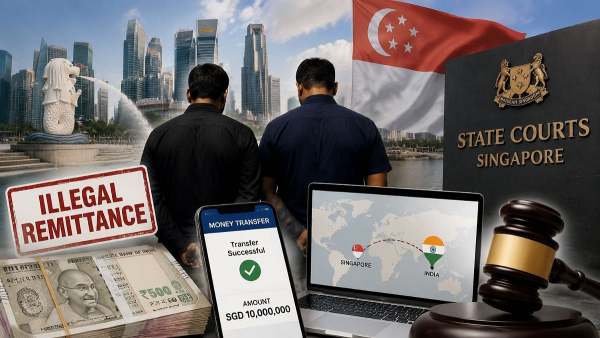
Singapore Court Sentences 2 Indians Over Illegal Remittances To India In SGD10 Million Cross-Border Money Transfer Case
-
Argentina 3-2 Cape Verde: Romero rescues Albiceleste from a historic World Cup upset in Miami thriller

-
Jurgen Klopp Open to Talks Over Germany Manager Role After Julian Nagelsmann’s Exit

-
‘He’ll always be my little boy’ – Malik Tillman’s touching World Cup journey through the eyes of his family who saw him rise as a USMNT star