Home Birth, Water Birth, Lotus Birth: Decoding Various Alternative Birth Practices
Pregatips | July 3, 2026 5:40 PM CST
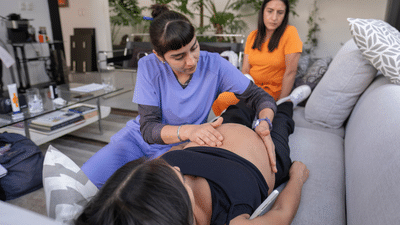
Different women have different ideals of what the birth of their baby should look like. While some are comforted by the idea of being in a sterile medical environment with all medical apparatus at hand, others prefer an intimate, quiet setting where medical intervention is minimised. Alternative childbirth methods usually reflect the latter principle, emphasising natural childbirth and comfort, control, and bonding. If you want to know more about these various birth alternatives, then you have landed at the right destination.
What Are Alternative Birth Practices?
Alternative birth practices are different alternatives to the standard hospital birth. These can range from specific actions in a hospital birth, such as using a birthing tub or having a midwife administer specific pain-relief techniques, to decisions about where the birth should take place, at home or at a birth centre.
The alternative births mentioned above are not new; some of them are very old ways of giving birth. These practices are becoming popular again in modern times because many mothers want to take control of their own birthing process.

What Are Some of the Most Popular Alternative Birth Practices?
Water Birth
Giving birth in a pool of warm water has proven to be effective in relieving muscle tension, creating a calm environment, and reducing perception of pain in many women. A water birth can occur in a birth centre, at home, or in a hospital, depending on availability.
Home Birth
Births that take place in your home are the simplest form of alternative birth practices. They are usually attended by a trained professional and a close friend or relative, and can be a positive experience for a low-risk pregnancy. Home birth offers familiarity and control over the birth environment.
Birth Centre Birth
A birth centre offers something between the control of a home birth and the safety of a hospital birth. Birth centres are typically midwife-led facilities designed to feel less clinical and focus on creating a calming and natural birth environment. Many are close to hospitals in the event of a medical transfer being needed.
Hypnobirthing
A preparation that allows women to focus their bodies and minds on managing the pain and anxiety during labour through relaxation, visualisation, and breathing exercises. Hypnobirthing is based on the idea that fear causes tension and pain during birth. This method of labour can be used regardless of the birth setting.
Lotus Birth
A method in which the umbilical cord is left attached to the baby even after it has separated from the placenta, for it to fall off naturally several days after birth. Lotus birth often has a spiritual significance, though the practice is not without risk, and you must thoroughly discuss this with your healthcare provider before considering this option.
Freestyle or Active Labour
What Is a Woman’s Decision to Choose an Alternative Birth Practice Determined By?
Many factors lead a woman to choose one alternative birth practice over another:
How Do Alternative Birth Practices Affect the Mother?
Alternative birth practices can contribute positively to a woman's labour experience by allowing her to maintain control, have fewer medical interventions, and, in many cases, achieve higher levels of emotional satisfaction with the birth process. However, not every alternative method of labour and delivery will work for every woman, and they may not all be ideal for someone who requires emergency medical care quickly.
How Do Alternative Birth Practices Affect the Baby?
For low-risk pregnancies, most alternative birth practices are safe. The mother and baby's health must always come first when deciding between practices, and the overall experience of birth and bonding time with the baby is often enhanced. A calm transition into the world for your baby may improve bonding.
Warning Signs to Watch Out for During Labour
Regardless of what labour method you choose, there are always warning signs related to that particular method. These include heavy bleeding, excruciating abdominal pain not in contractions, a lack of baby movement, a high fever, and anything indicating foetal distress as noticed by your healthcare provider. Regardless of what birthing choice you have made, ensure you have an emergency care plan.
Questions to Ask Your Health Care Provider
Before choosing an alternative birthing practice, speak with your midwife and obstetrician. Some relevant questions include:
When Should You See a Doctor?
All mothers should see their doctor or midwife before choosing an alternative birth practice if any of the following circumstances are present.
Every woman's situation is unique, and your doctor will determine which alternative birth practices are safe for you.
An alternative birth plan is all your choice; there is no right or wrong. You simply need to feel informed and cared for, as well as have your feelings listened to throughout this incredible experience of bringing a life into the world. Take your time and ask lots of questions of your healthcare providers.
Whether you’re pregnant, a new mom, or navigating postpartum, you don’t have to do it alone. Join our support group to connect, share, and support one another.
FAQs on Home Birth, Water Birth, Lotus Birth: Decoding Various Alternative Birth PracticesShould I only use alternative birth practices if I have a low-risk pregnancy?
Yes, generally. Alternative birth locations, such as the home and birth centres, are only advisable for women having a relatively straightforward and low-risk pregnancy. Women who have a high-risk pregnancy may not be considered suitable for alternative birth locations and require a birth in a hospital to have medical assistance readily available.
Should I use hypnotherapy on top of having a hospital birth?
Yes, and it certainly is an option. Hypnotherapy is considered an active method of preparation for labour and birth. It is effective and used alongside various types of analgesia in all birth settings, including hospitals.
What happens if I have a home birth and require transfer to the hospital?
If an alternative birth plan involves having a home birth, a competent midwife is required to have a clear and established transfer plan in place should this be necessary, and arrangements should be put in place as quickly as possible. This needs to be established between you and your midwife before birth.
What Are Alternative Birth Practices?
Alternative birth practices are different alternatives to the standard hospital birth. These can range from specific actions in a hospital birth, such as using a birthing tub or having a midwife administer specific pain-relief techniques, to decisions about where the birth should take place, at home or at a birth centre.
The alternative births mentioned above are not new; some of them are very old ways of giving birth. These practices are becoming popular again in modern times because many mothers want to take control of their own birthing process.
What Are Some of the Most Popular Alternative Birth Practices?
Water Birth
Giving birth in a pool of warm water has proven to be effective in relieving muscle tension, creating a calm environment, and reducing perception of pain in many women. A water birth can occur in a birth centre, at home, or in a hospital, depending on availability.
Home Birth
Births that take place in your home are the simplest form of alternative birth practices. They are usually attended by a trained professional and a close friend or relative, and can be a positive experience for a low-risk pregnancy. Home birth offers familiarity and control over the birth environment.
Birth Centre Birth
A birth centre offers something between the control of a home birth and the safety of a hospital birth. Birth centres are typically midwife-led facilities designed to feel less clinical and focus on creating a calming and natural birth environment. Many are close to hospitals in the event of a medical transfer being needed.
Hypnobirthing
A preparation that allows women to focus their bodies and minds on managing the pain and anxiety during labour through relaxation, visualisation, and breathing exercises. Hypnobirthing is based on the idea that fear causes tension and pain during birth. This method of labour can be used regardless of the birth setting.
Lotus Birth
A method in which the umbilical cord is left attached to the baby even after it has separated from the placenta, for it to fall off naturally several days after birth. Lotus birth often has a spiritual significance, though the practice is not without risk, and you must thoroughly discuss this with your healthcare provider before considering this option.
Freestyle or Active Labour
- This is a birth practice that encourages a woman to move freely around the birth room, change positions frequently during contractions, and labour on her feet whenever she likes, and has been shown to shorten the amount of time in active labour and reduce the need for pain relief in many women.
What Is a Woman’s Decision to Choose an Alternative Birth Practice Determined By?
Many factors lead a woman to choose one alternative birth practice over another:
- A desire for less intervention
- Cultural or spiritual beliefs
- Previous difficult labour experiences
- A need to maintain control over the birth environment
- Anxiety about hospitals
How Do Alternative Birth Practices Affect the Mother?
Alternative birth practices can contribute positively to a woman's labour experience by allowing her to maintain control, have fewer medical interventions, and, in many cases, achieve higher levels of emotional satisfaction with the birth process. However, not every alternative method of labour and delivery will work for every woman, and they may not all be ideal for someone who requires emergency medical care quickly.
How Do Alternative Birth Practices Affect the Baby?
For low-risk pregnancies, most alternative birth practices are safe. The mother and baby's health must always come first when deciding between practices, and the overall experience of birth and bonding time with the baby is often enhanced. A calm transition into the world for your baby may improve bonding.
Warning Signs to Watch Out for During Labour
Regardless of what labour method you choose, there are always warning signs related to that particular method. These include heavy bleeding, excruciating abdominal pain not in contractions, a lack of baby movement, a high fever, and anything indicating foetal distress as noticed by your healthcare provider. Regardless of what birthing choice you have made, ensure you have an emergency care plan.
Questions to Ask Your Health Care Provider
Before choosing an alternative birthing practice, speak with your midwife and obstetrician. Some relevant questions include:
- What is my health risk for this particular birth practice?
- How will a transfer to the hospital be managed?
- Are there any particular concerns for my individual birth practice?
When Should You See a Doctor?
All mothers should see their doctor or midwife before choosing an alternative birth practice if any of the following circumstances are present.
- A history of preeclampsia
- Multiple births
- A baby presenting in breech or an abnormal position
- A prior C-section, or a previous challenging labour or birth
Every woman's situation is unique, and your doctor will determine which alternative birth practices are safe for you.
An alternative birth plan is all your choice; there is no right or wrong. You simply need to feel informed and cared for, as well as have your feelings listened to throughout this incredible experience of bringing a life into the world. Take your time and ask lots of questions of your healthcare providers.
Whether you’re pregnant, a new mom, or navigating postpartum, you don’t have to do it alone. Join our support group to connect, share, and support one another.
FAQs on Home Birth, Water Birth, Lotus Birth: Decoding Various Alternative Birth Practices
Yes, generally. Alternative birth locations, such as the home and birth centres, are only advisable for women having a relatively straightforward and low-risk pregnancy. Women who have a high-risk pregnancy may not be considered suitable for alternative birth locations and require a birth in a hospital to have medical assistance readily available.
Yes, and it certainly is an option. Hypnotherapy is considered an active method of preparation for labour and birth. It is effective and used alongside various types of analgesia in all birth settings, including hospitals.
If an alternative birth plan involves having a home birth, a competent midwife is required to have a clear and established transfer plan in place should this be necessary, and arrangements should be put in place as quickly as possible. This needs to be established between you and your midwife before birth.
READ NEXT
-
Can inspectors return to Iran's nuclear sites?

-
After WhatsApp, Centre seeks responses from Telegram and Signal on usernames: Reports

-
India-Japan ties 'should not target' Beijing, says China

-
Fiction pick: When a multinational company's employee joins protests despite discouragement

-
RSS urges Hindus to thwart 'anti-national' conspiracies on Ram temple donation embezzlement case