
Many residents believe the funds could have been better utilised elsewhere. FourFourTwo spoke to people in Toronto who felt their first-ever World Cup experience was underwhelming.
Just like that, it’s over. Toronto’s World Cup has come to an end.
When a young Alphonso Davies addressed the FIFA World Congress in 2018 to promote Canada’s bid to co-host the World Cup, few imagined the tournament would actually come to the Great White North.
Yet, once it became a reality, Toronto – North America’s fourth-largest city – was always destined to play a central role in the spectacle.
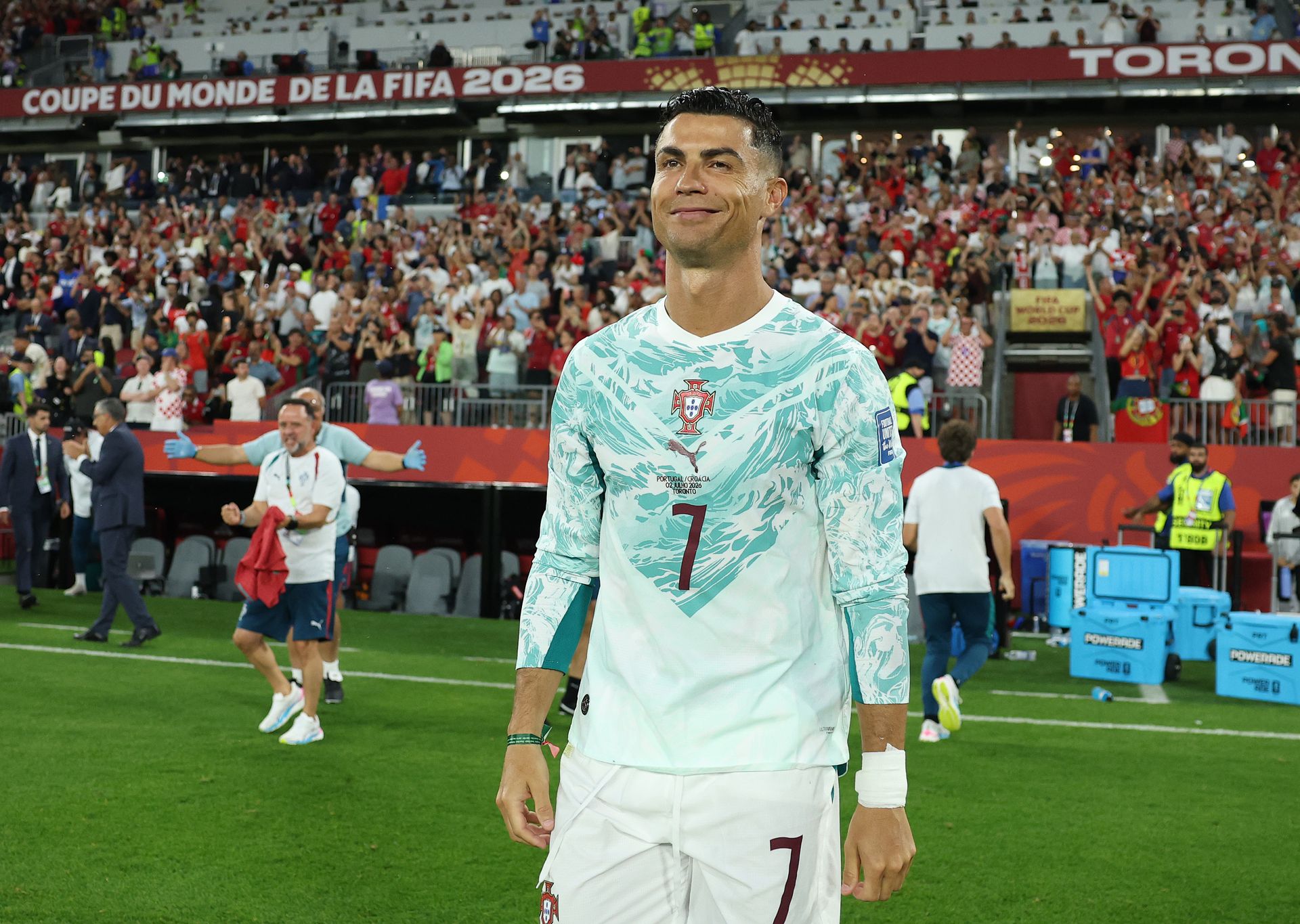
Once Cristiano Ronaldo and Luka Modrić make their final appearances, Toronto will have hosted all 540 minutes of World Cup football. Hundreds of thousands of visitors experienced the city’s multicultural vibrancy, including German online influencer Freddy, proving that Toronto was indeed a fitting venue for such an event.
But the question remains – did the World Cup truly suit Toronto?
Despite the excitement, the financial and social costs have left many questioning whether it was worth it. With hundreds of millions spent, ticket prices sky-high, and protests erupting across the city, some residents feel the event fell short of its promised transformation.
Even though FIFA promised a groundbreaking tournament across North America, discontent in Toronto began well before kick-off.
In 2018, when the city first pitched to host matches, costs were projected to be between $30 million and $45 million Canadian dollars (£15–£23 million). By 2022, that figure had ballooned to $300 million (£158 million).
And the spending didn’t stop there. A 2024 City of Toronto report estimated the final cost at around $380 million (£201 million), with $200 million (£105 million) covered by federal and provincial contributions.
The ever-rising expenses led many to question the city’s decision to go ahead. To offset costs, officials even attempted to buy tickets directly from FIFA and resell them to fans.
Then came criticism of the venue itself. Toronto Stadium, the tournament’s smallest host ground, was slammed for its temporary seating expansion of roughly 17,000 and earned the unfortunate label of the “worst” host stadium online.
For most locals, attending a match was simply out of reach. Ticket prices soared to unprecedented levels, making the matchday experience inaccessible to the majority.
As the opening match drew closer, protests began. The Toronto Underhoused and Homeless Union (TUHU) raised alarms about the potential displacement of unhoused residents, particularly around Union Station. The group reported instances of violence from security personnel.
In May, TUHU organised a “red card rally,” demanding that the city replace private security with harm-reduction workers and provide 24/7 respite spaces. The city responded by citing its human rights action plan, which claims to follow a “people-first, human rights-based framework” for those living in encampments.
Activists also made their voices heard just before the tournament began, covering the official World Cup sign on Toronto’s Gardiner Expressway with a “Kick Israel out of FIFA” banner.
But once the football started, the attention shifted to the vibrant atmosphere at Toronto Stadium. Tens of thousands of Bosnian fans filled the streets, and videos of their celebrations went viral, showcasing Toronto’s energy during matchdays.
Still, many residents felt detached from the festivities. For them, the only benefit of a home World Cup was the convenient time zone for watching matches. Despite limited releases of affordable tickets, inflated resale prices and fears of scams kept many away.
Tickets for the final Toronto match – featuring Luka Modrić’s Croatia against Cristiano Ronaldo’s Portugal – were being resold for around $2,550 (£1,350).
“It felt disconnected – like a private event for tourists who came to watch at the lakeshore, marched through town, and celebrated when they won. It wasn’t something the whole city shared,” said David Roberts, an urban studies professor who has researched World Cup impacts since 2009. “I can count on one hand the number of people I know who actually went to a game.”
Roberts compared Toronto’s experience to his time in Durban during the 2010 World Cup. “They had massive public viewing areas on the beachfront – free and open to all. It became a truly collective experience where people from every background came together. We had a bit of that here, but it feels like we could have done much more.”
Even fan zones across the city faced issues. One FIFA Fan Fest turned away hundreds after reaching capacity, and a watch party at Nathan Phillips Square descended into chaos when organisers cancelled – then abruptly resumed – the Belgium-Iran broadcast following protests. Clashes erupted between anti-regime and pro-regime Iranian groups, halting festivities.
Meanwhile, TUHU felt their concerns remained ignored. After months of advocacy, the group reported ongoing displacement, harassment, and violence against unhoused individuals. “The city wasn’t responding as needed, so we focused on community care,” said TUHU member Angie Hocking. “It’s been exhausting; our team worked overtime.”
Despite the frustrations, Hocking believes the event has sparked meaningful conversations. The city has now committed to an audit examining how mega-events affect vulnerable residents – a small but potentially important step forward.
Professor Roberts agrees that reflection is valuable. “There will be discussions about what went wrong, what could’ve been done better, and how to ensure accountability next time – whether it’s an Olympics bid or another major event. This one felt like it was planned behind closed doors, and we’re now left with the consequences.”
With 540 minutes of football costing an estimated $82 million (£43 million) per match, the question remains – was it worth it?
For most Torontonians, the answer is no.
While governments footed the bill, FIFA reaped the matchday profits, from ticketing to media rights. FIFA projected Canada’s matches would generate $3.8 billion (£2 billion) in economic output, while Toronto expected $940 million – though economists predict it will be lower, with much of the benefit flowing to provincial and federal levels rather than the city itself.
“From the city’s budget perspective, there’s no way to recover that money,” said Roberts. “Take FIFA’s projections with the largest grain of salt you can find.”
Chicago and Montreal withdrew from hosting bids in 2018 and 2021 respectively, citing FIFA’s inflexibility and funding disputes. Roberts believes Toronto should have done the same. “You could have asked me before or after – my answer wouldn’t change. We should have passed.”
“Toronto would still have been a wonderful place to watch the World Cup, even without hosting matches. We could’ve invested that billion dollars into projects that make the city more liveable, efficient, and fun. Instead, we spent public money on what feels like a private party by the lake.”
-
VAR Decision Saves Cristiano Ronaldo and Portugal from World Cup Exit
-
Amazon Prime Day vs Flipkart GOAT Sale: Which One Has The Better Phone Deal For You?

-
Stock Markets Rise As Sensex Gains Over 200 Points, Nifty Tests 24,300

-
BJP's R Ashoka Dares DK Shivakumar To Protest In Chennai Over TN Congress' Mekedatu Stand
-
Maharashtra Rains Turn Fatal: Ex-Deputy Mayor's Son Killed By Falling Tree