For most children, birthdays are measured in cakes, candles and eagerly unwrapped presents. Yet look a little closer, and every celebration carries something deeper than balloons and party games. Around the world, birthdays are shaped by culture, family traditions and little rituals that have been passed from one generation to the next. Some involve playful pranks, others centre on favourite foods, while a few are believed to bring good luck for the year ahead.
What makes these traditions fascinating is not how extravagant they are, but how personal they feel. A birthday in one country may begin with a special song, while in another it starts with a homemade breakfast or a symbolic gift from grandparents. The details differ, but the intention remains remarkably similar everywhere: to make a child feel loved, celebrated and surrounded by the people who matter most. Here are eight countries where birthdays come with traditions that are as memorable as the celebrations themselves.
Japan celebrates growing up, not just getting older
In Japan, birthdays have become increasingly Western in style, with cakes, candles and presents, but childhood celebrations are also closely connected to milestones. One of the most meaningful traditions is the Shichi-Go-San festival, when children aged three, five and seven dress in traditional clothing and visit shrines with their families to pray for health and happiness.
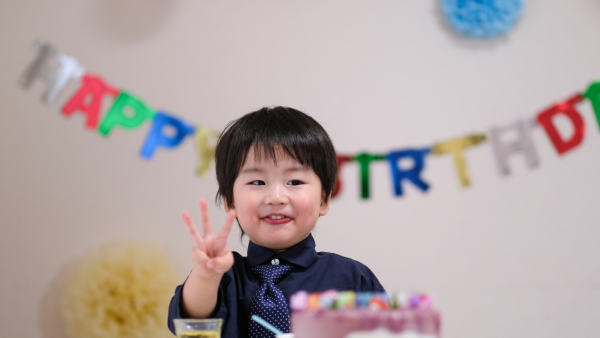
Even during ordinary birthdays, celebrations tend to be family-focused rather than extravagant. Parents often prepare favourite meals, beautifully decorated cakes and thoughtful gifts, placing greater emphasis on creating meaningful memories than on organising elaborate parties.
Mexico fills birthdays with music and piñatas
For many Mexican children, a birthday party is almost impossible to imagine without a colourful piñata hanging overhead. Filled with sweets and small toys, it becomes the centre of excitement as children take turns trying to break it open while everyone cheers them on.
The celebration usually includes music, games, homemade food and the traditional birthday song Las Mañanitas, often sung before the cake is cut. Rather than focusing only on gifts, Mexican birthdays are lively community gatherings where extended family, neighbours and friends all take part.
Germany begins the celebration only when the day arrives
German birthday traditions are known for one unusual rule: wishing someone a happy birthday before the actual date is considered bad luck. Children often count down eagerly because the celebration truly begins only when the calendar says so.
Birthday mornings may start with beautifully wrapped presents waiting on the breakfast table, followed by cake, games and gatherings with friends later in the day. Parents often involve children in choosing decorations and activities, making the celebration feel personal rather than overly elaborate.
Brazil celebrates with cake before presents
Birthday parties in Brazil are full of energy, music and laughter, but one tradition often surprises visitors. Children usually gather around the cake before opening their presents, making the shared celebration the highlight of the day.
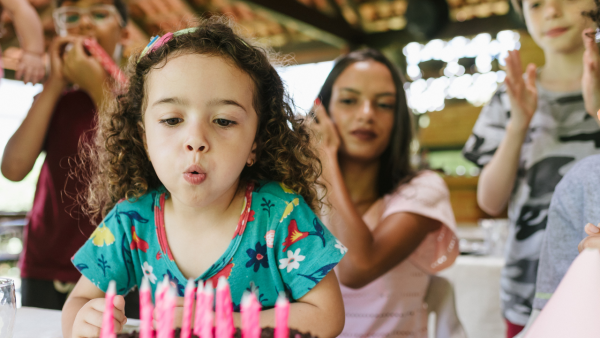
Friends and relatives sing enthusiastically, and the birthday child often gives the first slice of cake to someone special, usually a parent or grandparent, as a gesture of affection and gratitude. It is a small ritual that reminds everyone that birthdays celebrate relationships as much as the individual.
South Korea marks the first birthday with special meaning
While children in South Korea celebrate birthdays with cakes and presents much like many other countries, the first birthday, known as Doljanchi, holds special significance.
Families organise a traditional ceremony where symbolic objects are placed before the child. According to custom, the item the child chooses is believed to offer a playful glimpse into their future. Whether or not anyone believes the prediction, the ritual brings generations together and creates one of the family's most treasured memories.
Denmark starts the day with flags and family traditions
In Denmark, birthdays often begin before the child even wakes up. Parents decorate the home with the Danish flag, place presents near the bed and prepare a favourite breakfast to begin the celebration.
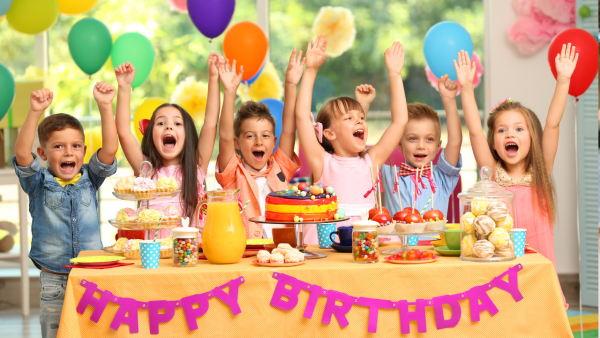
At school, classmates frequently sing birthday songs, while family gatherings later in the day include homemade cakes and simple games. The atmosphere is warm and intimate, reflecting the Danish idea that meaningful celebrations do not need to be extravagant to become unforgettable.
India blends modern parties with family blessings
Birthday celebrations in India often combine contemporary customs with traditions rooted in family and culture. Many children begin the day by seeking blessings from parents and grandparents, touching their feet as a sign of respect before receiving hugs, gifts and good wishes.
Some families visit a temple, church, mosque or gurdwara to offer prayers before the celebrations begin. Others prepare favourite homemade dishes alongside birthday cakes, creating a blend of old and new. By evening, the festivities may include classmates, cousins, neighbours and friends, reflecting the importance of community in many Indian celebrations.
The Netherlands lets the birthday child treat everyone else
In many parts of the Netherlands, birthdays come with a charming tradition that often surprises visitors. Instead of classmates bringing treats for the birthday child, it is the birthday child who arrives at school carrying small snacks or sweets to share with everyone else.
-
CBSE to Announce 10th Supplementary Exam Results Soon
-
Leaders at UAE summit highlight resilience as a strategic priority for business and governance
-
Bihar's Bankipur By-Election: Prashant Kishor's Potential Candidacy Sparks Interest
-
Indian Defence Acquisition Council Approves Major Procurement Proposals
-
EPFO Portal Update: Login to EPFO member portal resumed after maintenance, but this special service is still down..