You’ll be amazed to know that research on vacations has produced a surprising conclusion: when it comes to improved happiness and reduced stress, how often you travel may matter more than how long you travel! Yes, you read that correctly. This means that instead of saving your leaves for one lavish two-week holiday every year, psychologists suggest that taking short breaks every few months can deliver more consistent mental and emotional benefits.
Psychology says happiness comes from regular recovery, not one-time escapes
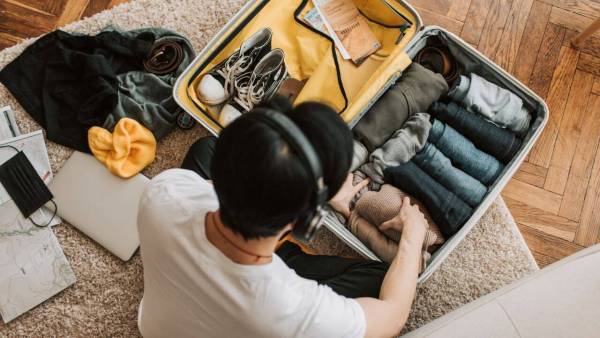
For many, vacations are treated as an annual reward or just a once-a-year opportunity to disconnect completely. But, psychologists differ. Those studying well-being argue that the positive effects of holidays tend to fade much faster than people know.
One of the most famous studies conducted by researchers from the Netherlands Organisation for Applied Scientific Research (TNO) and Nijmegen University, discovered that holidaymakers experienced a boost in happiness before and during their trip. However, the effect largely disappeared within about a week of returning to work.
The findings, published in the journal Applied Research in Quality of Life, suggest that frequent opportunities to recharge may be more beneficial than relying on one long holiday planned every year.
In simple words, taking four long weekends spread across the year may provide more sustained results than a single 15-day vacation.
The brain needs regular recovery periods
Psychologists explain this using the concept of recovery experiences. As per research by occupational health psychologists, people recover best from work-related stress when they periodically detach from job responsibilities.
Travel allows this time.
Whether you're hiking through the tea gardens of Darjeeling, or exploring the heritage lanes of Jodhpur or just sitting by the beach in Gokarna, your brain shifts away from work-related demands. This is called "mental resets".
Frequent travel helps prevent burnout

People need to understand that burnout rarely happens overnight. It happens gradually through months of continuous pressure without sufficient recovery. The World Health Organization (WHO) also recognises burnout as an occupational phenomenon.
So it is suggested that don’t wait for exhaustion to take over to plan a trip. Periodic breaks allow your mind and body to relax and recover. For professionals in India's fast-paced IT, finance, healthcare and corporate sectors, even a three-day getaway every few months can serve as preventive self-care rather than a luxury.
Anticipation is part of the happiness
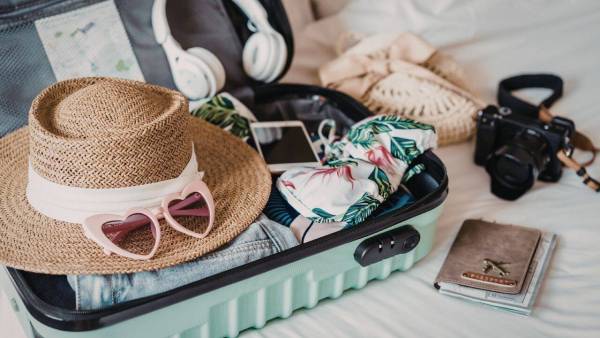
Research has shown that anticipating an upcoming trip increases positive emotions and optimism. Planning a trip, itineraries, looking for destinations and waiting for the flight day all contribute to higher levels of happiness.
Each trip becomes a fresh source of motivation and short breaks fit modern travel trends as not everyone can take two weeks off work. These mini-breaks require fewer leave days but still provide meaningful psychological recovery.
So psychologists suggest that rather than saving your leaves for one trip every year, take small trips and plan weekend escapes and mini adventures. Your mind may thank you long before your next big holiday arrives.
(Sources: Research published in Applied Research in Quality of Life (Nawijn et al.); work on recovery experiences by Prof. Sabine Sonnentag; guidance from the World Health Organization (WHO) on burnout; family travel research by the U.S. Travel Association.)
-
Malik Tillman’s sensational free kick revives American hopes despite Folarin Balogun’s controversial red card: Key takeaways from USMNT’s World Cup win over Bosnia and Herzegovina

-
World Cup Day 21: Kane saves England while Belgium shock Senegal in late drama

-
How the Azteca's Altitude Could Test England in Their 2026 World Cup Clash with Mexico
-
Spain vs Austria: Full list of presenters, pundits, and commentators for World Cup clash

-
Harry Kane’s 2025-26 goal tally places him among football’s modern-day greats: Comparing his record-breaking season with Messi and Ronaldo