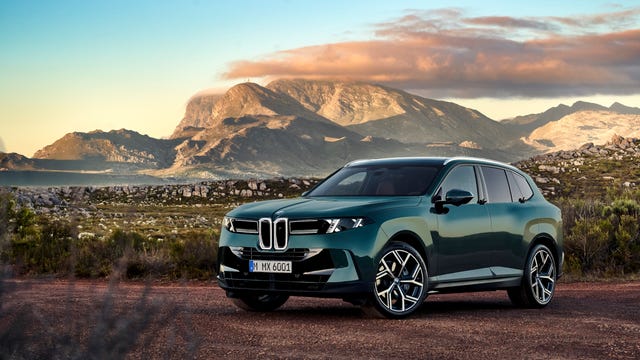
The BMW X5 has long stood as a benchmark in the world of premium SUVs, particularly in the United States. As the automotive landscape evolves under new regulatory pressures, BMW is ensuring that its iconic SUV remains more adaptable than ever. The arrival of the fifth-generation model not only introduces the Neue Klasse-inspired design language but also brings with it an impressive five powertrain choices and a significant leap in onboard technology.
The 2027 BMW X5 lineup is designed to cater to a wide spectrum of buyers. It will be available with a six-cylinder internal combustion engine featuring a 48-volt mild hybrid system, a plug-in hybrid variant, a hydrogen-powered version expected later, and a V-8-powered M Performance model slated for next year. Additionally, BMW will produce its first fully electric SUV in the United States, named the iX5.
The BMW X5 40, which can be configured with either rear- or all-wheel drive, uses the latest iteration of BMW’s 3.0-litre B58 inline-six engine paired with a new turbocharger. This setup generates 394 hp and 428 lb-ft of torque, enabling the X5 40 to sprint from 0–60 mph in just 4.8 seconds, according to BMW. The engine works in conjunction with a transmission-mounted 48-volt mild hybrid system that contributes an additional 17 hp and 148 lb-ft of torque. An eight-speed automatic transmission remains the standard gearbox option.
The BMW X5 50e xDrive combines the updated six-cylinder engine with a synchronous electric motor rated at 194 hp. The total combined output reaches 483 hp and 516 lb-ft of torque, with the combustion engine itself responsible for 308 hp. The electric components are built directly into the eight-speed transmission to maximize space efficiency. A 26.5 kWh battery provides energy to the system, offering an estimated 44 miles of electric-only driving range.
The iX5 60 xDrive represents one of BMW’s most advanced electric offerings yet. It employs a dual-motor layout, featuring an electrically excited synchronous motor (EESM) at the rear producing 325 hp and 369 lb-ft of torque, and an asynchronous motor (ASM) at the front delivering up to 245 hp and 225 lb-ft. The front motor disengages when not required to enhance efficiency. Combined system output is rated at 570 hp and 593 lb-ft of torque.
The iX5’s motors are powered by BMW’s first battery pack that uses the company’s new 120-mm cylindrical cells. These cells are integrated directly into the pack without the conventional modular structure, reducing weight while increasing energy density. The battery offers a usable capacity of 144 kWh, making it one of the largest in the segment. BMW estimates a driving range of approximately 435 miles based on EPA testing.
Charging performance is equally impressive. Thanks to its 800-volt electrical architecture, the iX5 can charge at up to 460 kW, taking the battery from 10% to 80% in just 22 minutes. A 10-minute charge can add roughly 170 miles of range. The system also supports bidirectional charging for the first time. On the performance front, the fully electric SUV accelerates from 0–60 mph in 4.4 seconds, with a top speed electronically limited to 130 mph, compared to the 155 mph of its petrol-powered counterparts.
Every BMW X5 now features a double-wishbone front suspension setup combined with a multi-link rear system. For 2027, adaptive dampers and height-adjustable suspension are standard across the range. BMW highlights the near-perfect 50:50 weight distribution, which enhances handling dynamics. The plug-in hybrid and electric variants further benefit from the Adaptive Chassis Control Professional system, which adds active roll stabilization and rear-wheel steering.
In terms of design, the new X5 and iX5 share a unified appearance that clearly reflects the Neue Klasse philosophy. The broader stance and smaller illuminated kidney grilles emphasize the SUV’s width, complemented by wheel sizes ranging from 21 to 23 inches. The body surfaces are smooth and minimalistic, avoiding excessive creases or visual clutter. Door handles have been replaced with touch-sensitive panels on the B- and C-pillars, which activate the power-operated doors—visually striking, though slightly tricky to use in early prototypes.
The “Double X” headlight design gives the SUV a distinctive presence, although some may find it reminiscent of recent Mercedes-AMG styling. BMW will allow owners to deactivate the illuminated X elements for a more understated look. Buyers can choose from 11 exterior colour options, offering more personalisation possibilities than before.
Step inside, and the cabin of the new X5 exudes luxury. The blend of faux suede and leather materials feels both premium and inviting. The redesigned steering wheel marks a bold new direction for BMW, though its smaller size and unconventional shape may divide opinions among drivers.
The iX5 showcased also includes elegant crystal glass trim elements reminiscent of classic Aston Martins. Standard features across all X5 variants include heated sport seats, while optional packages such as the Luxury Seating Package or Climate Package add ventilated and massaging multifunction seats. The rear bench features a 40:20:40 split configuration for flexible cargo arrangements, with ample space for taller passengers.
The interior technology suite is equally impressive. A large 17.9-inch central display runs BMW’s new Android-based Operating System X, which is faster and more capable than the previous version. It supports Alexa AI, Apple CarPlay, and Android Auto integration as standard. Directly ahead of the driver, the innovative BMW Panoramic Vision screen stretches across the lower edge of the windshield, functioning as a sophisticated alternative to a traditional heads-up display. Front passengers also get a 14.6-inch full-HD display. The standard 12-speaker audio system can be upgraded to an 18-speaker Bowers & Wilkins Surround Sound System with Dolby Atmos technology.
BMW will introduce the X5 40 xDrive first, with market arrival set for October this year. The X5 40, X5 50e xDrive plug-in hybrid, and iX5 models will be available for order in the first quarter of 2027. A V-8-powered M Performance version is expected later in the same year, while the hydrogen-powered variant will follow at a later stage.
Pricing for the 2027 BMW X5 40 starts at $71,250 including destination charges, while the 40 xDrive variant begins at $73,550. The X5 50e xDrive PHEV is priced from $78,950, and the iX5 60 xDrive starts at $81,250. Pricing details for the V-8 and hydrogen-powered versions will be revealed closer to their respective launches.
-
iPhone 17 For Rs 22,000 Less This Week, But Should You Wait For iPhone 18?
-
Family Seeks Probe After Indian Seafarer's Body Returns Missing Organs

-
Who Are Angela Nikolau and Ivan Beerkus? Netflix-Featured Russian Couple Who Got Barred After Daring, Romantic Proposal In NYC

-
BSEB Releases DElEd 2026 Answer Key; Objection Window Open Till July 5

-
'I Am Truly Sorry & Ashamed': Homebound Cinematographer Pratik Shah Apologises Over Sexual Misconduct Allegations