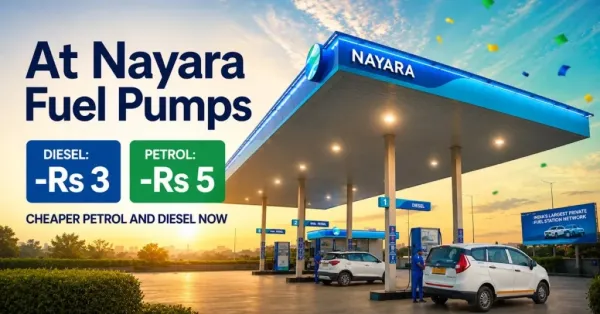
In a move that brought massive relief to users, Nayara Energy has slashed the price of petrol by Rs 5 and that of diesel by Rs 3, at its outlets. The revised prices came into effect on July 1, 2026. This move comes after global crude prices started falling as geopolitical tensions eased in the Middle East. Nayara has become the first fuel retailer to cut prices due to this reason. More importantly, this is the first time that we have seen fuel prices getting reduced significantly.
Nayara operates nearly 7000 fuel bunks across India. Customers filling from these will enjoy the benefits of the price cut. However, the actual pump prices at Nayara would vary with states, due to state-wise levies such as Value Added Tax (VAT) and other such charges.
A source who prefers to remain anonymous, reportedly told NDTV that Nayara pump prices may even differ with cities. If the pump is far from the main fueling station, the transportation costs will also have to be factored in. This may bring about a marginal increase in pump prices. Even so, Rs 5 for petrol and Rs 3 for diesel are indeed significant reductions.
Bengaluru, for example, recorded a price of Rs 111.20 per litre for petrol and Rs 98,80 for diesel post revision. In Gurugram, petrol price is now Rs 102.76 per litre and diesel is priced at Rs 95.58 per litre, at Nayara Energy outlets. Fuel station operators confirmed that notifications to the roll-back in prices were issued in the early hours of July 1.
While it may sound poetic, Nayara was the first oil marketing company to hike fuel prices after war broke out in West Asia, eventually leading to the closure of the Strait of Hormuz. A price hike of Rs 5 on petrol and Rs 3 on diesel was announced on March 26, 2026. The same seems to have been rolled back now.
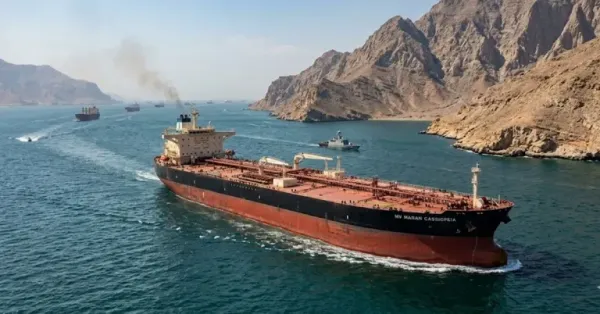
The recent developments in international oil markets have been driving this price revision. In the past few months, global crude oil prices had surged, due to the tensions in the Middle East, and anticipated disruption in supply routes, particularly the Strait of Hormuz. Now, these tensions seem to have eased significantly. Shipping seems to have normalised. These brought about a notable fall in global crude prices as well.
On July 1, Brent crude was trading at around $73 per barrel, indicating a cooling trend. This means that refiners now have lesser input costs than before and can roll back prices if they wish to, without unsettling their profits and margins. Nayara is seeing business in this scenario and has decided to pass on the benefits to customers.

The actual impact of this price revision remains tangible for everyday users. A full-tank petrol now costs Rs 200 less than before (assuming the car has a 40-litre tank). Diesel users would save around Rs 120 for the same quantity. Indian users are sensitive to even the slightest fluctuation in fuel prices. So, this reduction stays very relevant and can potentially drive more people to Nayara bunks.
That remains the BIG question now. Public sector oil marketing companies such as Indian Oil Corporation, Bharat Petroleum and Hindustan Petroleum haven’t announced any price reduction yet. Unlike private players, state-owned companies typically consider factors such as inventory costs, pricing strategies and government policies before revisiting rates.
-
EPF Scheme: What’s new in the new EPF scheme? Which PF rules have changed, and who stands to benefit? Get the full details..

-
ITR Filing 2026: Big relief for salaried individuals! Now, easily file ITR-1 instead of ITR-2; know the new rule..

-
EPFO: Is your PF deposited in your company's PF trust? EPFO changed these rules, including the interest rate..

-
ITR Benefits: File your ITR even with zero tax liability! Otherwise, you will miss out on these 5 major benefits..

-
Big relief for Vande Bharat passengers! Confirmed tickets will now be available up to 15 minutes before train departure..