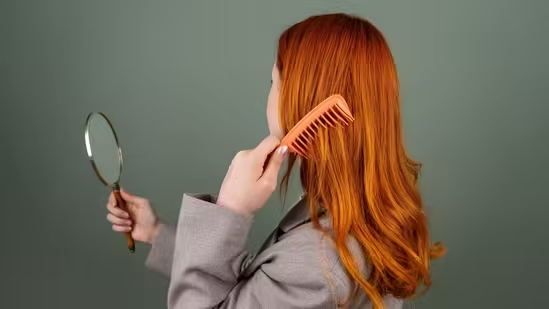
Noticing more hair in your brush or a widening part can be worrying, but hair thinning doesn’t always mean permanent hair loss. In many cases, temporary shedding can be reversed with healthy lifestyle changes, while other cases may require medical treatment.
Understanding the difference between temporary hair shedding and long-term hair loss is the first step toward choosing the right solution.
Common Causes of Hair Thinning
Hair naturally goes through cycles of growth, rest, and shedding. However, certain factors can increase hair fall temporarily.
Some common causes include:
- Physical illness or high fever
- Emotional stress
- Crash dieting or poor nutrition
- Hormonal changes
- Certain medications
- Vitamin and mineral deficiencies
In these situations, the hair follicles usually remain healthy, meaning hair often begins to regrow once the underlying cause is addressed.
When Hair Loss May Be Genetic
If hair thinning continues for more than three months, gradually worsens, or runs in your family, it may be androgenetic alopecia, commonly known as hereditary pattern hair loss.
Typical signs include:
- A receding hairline
- Widening parting
- Reduced hair density on the crown
- Progressive thinning over time
Early treatment offers the best chance of slowing further hair loss.
Do Hair Care Products Really Work?
The market is filled with shampoos, serums, oils, supplements, and vitamins claiming to stop hair loss. While some products may improve the appearance of hair or reduce breakage, they do not work equally for everyone.
Certain ingredients that are commonly found in hair products include:
- Caffeine
- Rosemary oil
- Peptides
- Plant extracts
- Growth factor-based formulas
These ingredients may help improve hair quality for some individuals, but they are generally not capable of restoring permanently inactive hair follicles.
Similarly, biotin supplements are beneficial mainly for people who have a confirmed biotin deficiency, which is relatively uncommon.
Treatments That May Help
Depending on the cause of hair loss, healthcare professionals may recommend:
Minoxidil
One of the most widely used treatments for pattern hair loss. It may help slow hair loss and stimulate new hair growth in some individuals.
Low-Level Laser Therapy (LLLT)
FDA-cleared red-light devices may improve hair density when used alongside other treatments. They are generally considered supportive rather than standalone therapies.
Platelet-Rich Plasma (PRP)
PRP therapy involves injecting concentrated platelets from your own blood into the scalp. Some studies suggest it may benefit people experiencing early-stage hair thinning, although results vary.
Hair Transplant Surgery
When hair follicles have permanently stopped producing hair, transplantation may be an option. Hair transplants can restore hair in affected areas but do not prevent future hair loss in untreated regions.
Healthy Habits That Support Hair Growth
Simple lifestyle improvements can also help maintain healthy hair:
- Eat a balanced diet rich in protein, iron, zinc, and vitamins.
- Manage stress through regular exercise or relaxation techniques.
- Avoid excessive heat styling and harsh chemical treatments.
- Use mild shampoos suitable for your scalp type.
- Get adequate sleep and stay hydrated.
When Should You See a Doctor?
Consult a dermatologist or hair specialist if:
- Hair loss lasts longer than three months.
- You notice bald patches.
- Hair thinning is rapidly worsening.
- Hair loss is accompanied by itching, redness, or scalp pain.
- You have a strong family history of pattern baldness.
Early evaluation can identify the underlying cause and improve treatment outcomes.
Final Thoughts
Hair thinning is common and often manageable, but the right approach depends on its cause. Temporary shedding may improve with healthier habits and proper nutrition, while hereditary hair loss usually benefits from early medical treatment. Rather than relying solely on trending products, seeking professional advice can help you choose the most effective treatment plan for your specific condition.
Health Disclaimer: This article is for informational purposes only and should not be considered medical advice. Always consult a qualified healthcare professional or dermatologist before starting any treatment for hair loss or thinning.
-
Startup Ecosystem Mourns The Passing Of Accel's Akhilesh Agarwal

-
Azizi Developments seeks 4,000 subcontractors for UAE construction pipeline

-
J&K Monsoon Mayhem: Landslide Hits Vaishno Devi Track After Heavy Rains, Battery Car Service Suspended Temporarily

-
5 High-Protein Paneer Recipes That Are Healthy, Delicious, and Easy to Make

-
FADA Backs Delhi's EV Push, Says Transition Will Be Challenging but Essential for the Future