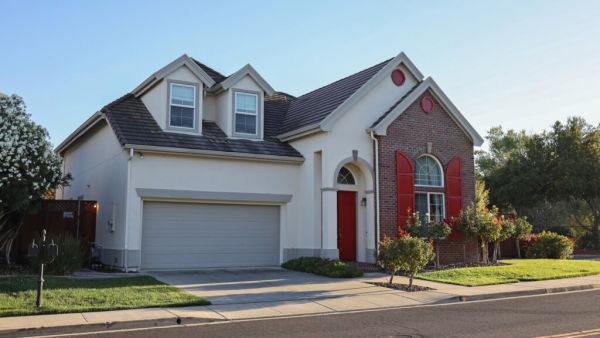
The American Dream involves a spouse, two to four kids, a white picket fence, and a driveway with enough room for your big, gas-guzzling pickup truck. It’s idyllic, really, except when that perfect portrait of property is marred by spalling. Spalling is the pitting or chipping of concrete and is one of the more common problems with concrete driveways.
Concrete driveways generally last longer than asphalt ones, but they can be prone to spalling. It occurs most frequently in areas with wide temperature swings, particularly those that freeze frequently. The freeze-and-thaw cycle can cause water to seep into the concrete’s pores. Then, when the water freezes, it expands, leading to the chipping and pitting that’s sabotaging your serene suburban sanctuary.
Spalling is preventable and repairable, but a little preparation can go a long way in keeping your driveway pristine. A good sealant can keep those pesky water molecules from seeping their way into your splendid slab of cement, while patches can cover up some of the damage, but you need to stay on top of it all the same. Here’s what to do.
How to prevent and or repair spalling
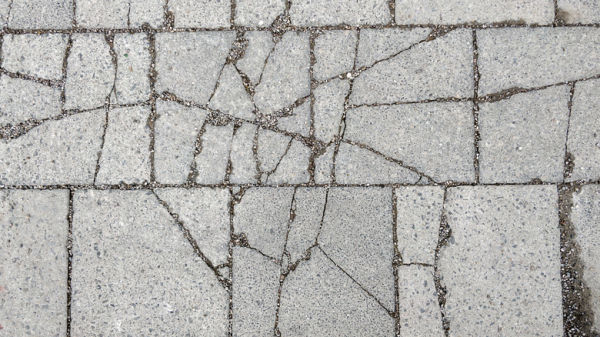
Prevention is always the best route when trying to combat spalling. Ideally, you want to hire a local professional to apply sealant in late spring or early fall. Sealing the concrete not only prevents spalling but can also protect your driveway from other damage like fading and tire marks. It’s a good idea to seal your concrete every two to 10 years, depending on factors such as how often it’s used and your local weather. If you’re worried about slipping on sealed concrete, there are additives you can use to give it some texture while still providing a solid boundary.
But if you’re already dealing with a pitted and flaky driveway, don’t panic: all is not lost. You can patch spalling that only penetrates one-third (or less) of the driveway’s thickness. Be sure to power wash the concrete to remove dirt, stains, and the like before you do so, and double-check that the patch material you’re using matches the existing concrete — this will promote adhesion. Also, make sure to extend any patches at least 4 to 6 inches around the spalling to complete the patch.
Unfortunately, if the spalling is too deep, there’s no way to fix it except to tear your driveway up and pour a new slab. But if you do, of course, make sure to apply a sealant, lest you end up having to repeat that process in the years to come.