
A haiku looks like the easiest poem to write. Three short lines, a few syllables, finished before your tea goes cold. That apparent simplicity is exactly why this format works so well for writing about the climate crisis, and why it is where I send researchers who tell me they cannot write poetry.
Before you write one, it helps to unlearn the rule you were taught at school.
Most of us were told a haiku has three lines of five, seven and five syllables. In English, that is a myth. Japanese counts a unit called the mora (in haiku circles, the on), which behaves differently from a syllable. “Tokyo” is two syllables to my northern English ear and four morae in Japanese. Anyone who insists on a strict 17-syllable count is being a pedant. Aim for 17 syllables or fewer, then stop counting and start noticing.
A haiku includes four things. The poem must be about nature. If it turns out to be about human nature, you have written a senryū, which is a fine thing, just a different one.
Every haiku carries a kigo, a single seasonal reference: a flower, a fruit, an animal, a festival that fixes the poem in one season.
A haiku is written in the present tense, a snapshot,...
Read more
-
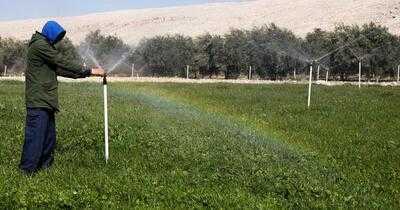
Agrivoltaics could feed energy-hungry AI and the world
-
Virat Kohli, Anushka Sharma cheer Harmanpreet Kaur's record Lord's fifty in India's must-win Women's T20 World Cup clash vs Australia
-
Mumbai Muharram procession: Pune man arrested for allegedly distributing poison-filled capsules to devotees

-
July 1 financial changes: ITR filing, Aadhaar updates, SBI cards, HDFC lounge access, passport fees and RBI rules explained

-
Aramco helicopter crash kills 14 in Saudi Arabia; France skydiving plane crash leaves 11 dead