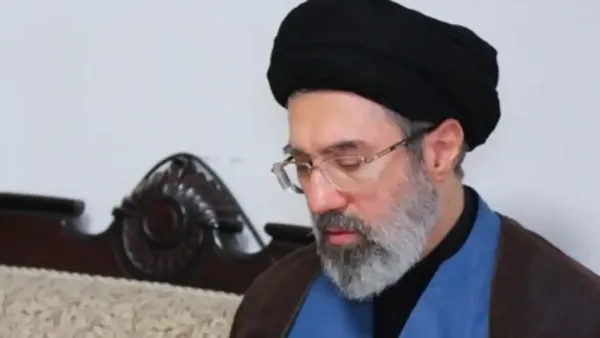
Tehran: Iranian Supreme Leader Mojtaba Khamenei has called for legal action against the United States and Israel over alleged wartime actions, urging authorities to pursue cases in domestic and international courts.
In a series of posts on X on Sunday, June 28, Khamenei described the pursuit of justice for alleged crimes committed against Iran during the 2025–26 conflict as one of the country’s most significant legal priorities.
He alleged that the rights of Iranians had been violated by what he described as the actions of “international criminals” and “aggressors”, and said accountability should be pursued through judicial channels.

Khamenei accused the United States and Israel of attacks that he said resulted in civilian deaths, including children, damage to medical centres and widespread physical and psychological harm. He also referred to the killing of his father, Ayatollah Ali Khamenei, as one of thousands of cases that should be investigated.
He said each alleged offence constituted a separate legal case that should be pursued in both Iranian and international courts.
The Iranian leader further claimed that statements made by American and Israeli officials amounted to admissions of wrongdoing and said those responsible should be held accountable.
“The investigation of these crimes has been entrusted to the competent authorities,” he said, adding that pursuing the cases could help prevent similar incidents in the future.
Khamenei also called for a stronger judiciary capable of protecting public rights, combating corruption and ensuring justice. He said achieving those goals would require determination, effective use of modern technology and improved judicial systems.
The remarks came as tensions remain high across the region despite ongoing diplomatic efforts to prevent further escalation.
IRGC warns of stronger response
Iran’s Islamic Revolutionary Guard Corps (IRGC) warned it would respond more forcefully to any future attacks by the United States or Israel.
IRGC spokesperson Hossein Mohebi said Tehran expected its adversaries to violate commitments and insisted Iran would retaliate with greater force if the ceasefire was breached.
Trump issues fresh warning
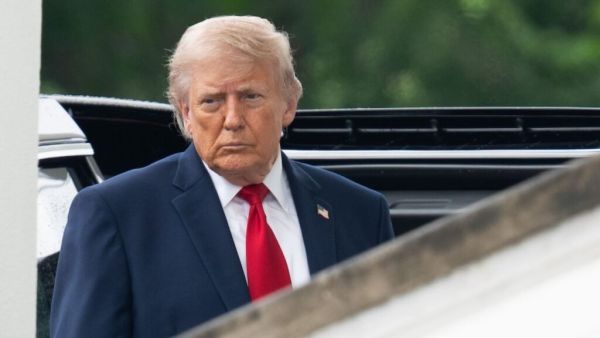
US President Donald Trump said Washington could intensify military action against Iran if required, warning that the Islamic Republic faced severe consequences if hostilities escalated further.
Defence analyst Wolfgang Pusztai told Al Jazeera that Trump’s remarks were largely intended for domestic and international audiences, describing them as strategic messaging rather than an indication of imminent military action. He also warned that renewed pressure on Iran could increase the risk of Gulf states being drawn back into the conflict.
Pakistan, EU discuss ceasefire
Pakistan’s Deputy Prime Minister and Foreign Minister Ishaq Dar held talks with European Union foreign policy chief Kaja Kallas on the rapidly evolving regional situation.
According to Pakistan’s Foreign Ministry, Kallas appreciated Islamabad’s diplomatic efforts that contributed to the recently signed memorandum of understanding while expressing concern over reported ceasefire violations. Dar stressed the importance of all parties complying with the agreement.
Iran presses Lebanon provisions
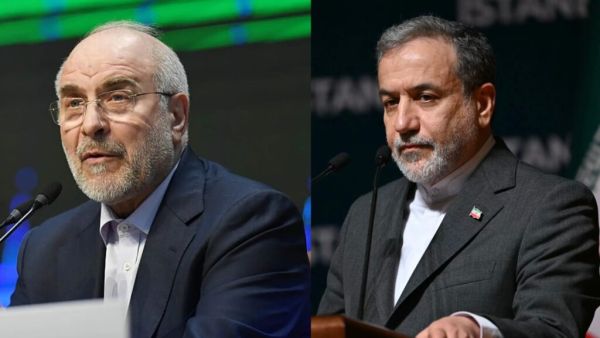
Iranian Parliament Speaker Mohammad Baqer Qalibaf told Lebanese Parliament Speaker Nabih Berri that ending the conflict in Lebanon and safeguarding the country’s sovereignty formed a key element of the memorandum signed between Tehran and Washington.
He said discussions in Switzerland had agreed to establish a conflict monitoring mechanism involving Iran, the United States and Lebanon to oversee implementation of the agreement.
During a visit to Baghdad, Iranian Foreign Minister Abbas Araghchi said every provision of the memorandum of understanding must be implemented, including those concerning Lebanon.
He urged Washington to ensure Israel halted military operations and withdrew from areas it continues to occupy in southern Lebanon, describing this as part of the agreement reached between Tehran and Washington.
Iranian Foreign Ministry spokesperson Esmaeil Baghaei also said a permanent settlement required a full Israeli withdrawal from Lebanese territory and an end to military operations.
Iraq urges dialogue
Iraqi Foreign Minister Fuad Hussein called for all disputes between Tehran and Washington to be resolved through negotiations.
Speaking alongside Araghchi in Baghdad, he urged implementation of understandings aimed at reopening the Strait of Hormuz and lifting the US maritime blockade on Iran. Hussein also reaffirmed Iraq’s opposition to any expansion of the conflict into Gulf states.
Strait of Hormuz remains in focus
Araghchi said the Strait of Hormuz would remain under Iranian administration for the next 30 days, warning that unilateral action or attempts to establish alternative arrangements would delay its reopening and increase regional tensions.
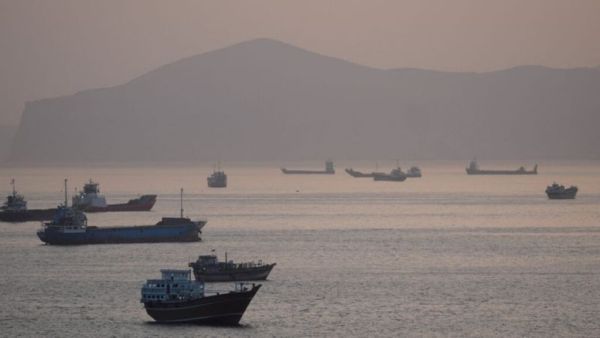
Iranian state television advised vessels entering the Gulf to transit south of Hormuz Island and ships leaving the Gulf to sail south of Larak Island, describing the routes as the safest available.
Ship-tracking data cited by CNN showed several commercial vessels, including oil tankers, liquefied natural gas carriers and a container ship, using the southern route close to Oman’s coastline with tracking systems active, although some vessels continued to sail closer to Iranian waters.
US, Gulf states exchange accusations
US Ambassador to the United Nations Michael Waltz said Washington would continue operations against infrastructure used by Iran to threaten shipping through the Strait of Hormuz if necessary.
He warned that Iran should not expect the United States to remain passive if American military bases or commercial shipping came under attack.
Saudi Arabia, the United Arab Emirates and Italy condemned the reported Iranian strikes on Bahrain and Kuwait, describing them as violations of sovereignty and warning against further escalation that could undermine recent diplomatic progress.
Israel’s Foreign Ministry accused Iran of fuelling instability across the region, from Lebanon to the Strait of Hormuz, and undermining peace efforts.
Fighting continues in Lebanon
Fresh Israeli air strikes were reported in southern Lebanon despite a US-brokered agreement signed two days earlier.
The Israeli military said it had targeted Hezbollah members operating near its self-declared security zone and confirmed that military operations would continue under the ceasefire framework where threats were identified.
Israeli Foreign Minister Gideon Sa’ar said Hezbollah must be disarmed to achieve lasting peace and security in Lebanon.
Iran, meanwhile, maintained that a final settlement required Israel to end military operations and completely withdraw from Lebanese territory.
Lebanon’s Health Ministry said the death toll from Israeli military operations since early March had reached 4,247, with 12,195 people wounded.
Heritage sites damaged
Lebanon’s Culture Minister Ghassan Salame said Israeli military operations had damaged or destroyed several historic and religious sites across southern Lebanon, including locations recognised by UNESCO.
He said authorities were unable to conduct a complete assessment while Israeli forces continued to control parts of southern Lebanon, adding that several historic villages had been extensively damaged.
Mourning ceremonies planned
Iranian authorities are preparing for large mourning ceremonies following the reported death of Ayatollah Ali Khamenei.
According to Mehr news agency, ceremonies are scheduled to begin on July 4 in Tehran and Qom, with burial planned in Mashhad on July 9. Authorities are coordinating security arrangements, while a separate ceremony is also reportedly planned in Iraq’s Karbala.
-
Telangana administers polio drops to 95 pc children statewide

-
I’ll pay the fee: Priyank Kharge challenges RSS to register
-
Leaked draft reveals immunity, property access for Trump’s Gaza Board
-
Independent probe sought for custodial death of Dalit woman in AP

-
Chinkaras could lose habitat to climate change, says study