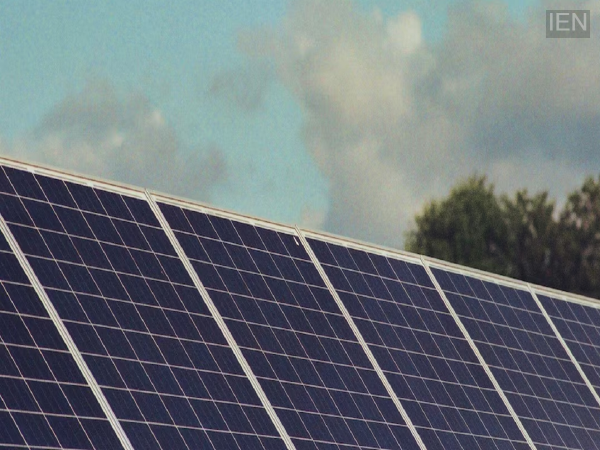
Solar panels do not stop generating electricity during the rainy season. Although power generation decreases compared to sunny conditions, the panels continue to produce electricity depending on their capacity and type.
Solar Panel Performance During the Rainy Season: Nowadays, solar panels are installed in many homes. During the summer, when the sun is blazing, roof-mounted solar panels generate electricity very efficiently. However, as the monsoon arrives and clouds cover the sky, many people wonder: can solar panels still generate electricity during the rain, or will they stop working completely? This information is particularly important for those considering installing a solar system. Let’s explore the details.
How do solar panels work amidst the clouds?
First, it is important to understand that solar panels do not generate electricity solely from direct, intense sunlight. According to experts, solar panels can produce electricity not only from direct sunlight but also from the light that filters through clouds. While the output is not as high as it is during a bright, sunny afternoon, generation does not cease. In other words, even on rainy days, if there is some ambient light, the panels continue to function; their electricity-generating capacity simply decreases slightly.
Now, the question arises: exactly how much does power generation drop during the rain? According to a solar company, while solar panels do work during rain, their output can drop by approximately 10% to 25%. However, electricity generation does not stop entirely. To illustrate this with a simple example: if a solar system generates 5 units of electricity in intense sunlight, the same system might produce around 2.5 to 3 units during the monsoon.
Not all solar panels perform the same way.
Compared to intense sunlight, power generation during rain may drop to roughly half, but the supply does not stop completely. However, this reduction in output also depends on the type of panel installed; a report indicates that polycrystalline panels generate very little electricity during inclement weather, whereas mono solar panels can continue to generate power even in poor weather conditions and often come with a performance warranty of at least 25 years.
Moreover, rather than being detrimental, rain can actually prove beneficial for solar panels in some instances. According to a report, rain helps clean the panels by washing away accumulated dust and dirt, thereby enabling electricity generation even in low-light conditions. Therefore, if you are considering installing a solar system, there is no need to be overly concerned about the rainy season.
-
Trump suggests Syria replace Israel in fight against Hezbollah

-
Hyderabad tops UAE-India return airfares for August travel

-
Prabhas’ Fauzi gets a big release date buzz

-
IND vs IRE 2nd T20I: Rain Threat Over India's Must-Win Clash? Check Weather Forecast
-
Iran Claims Sole Control Of Strait Of Hormuz For Next 30 Days