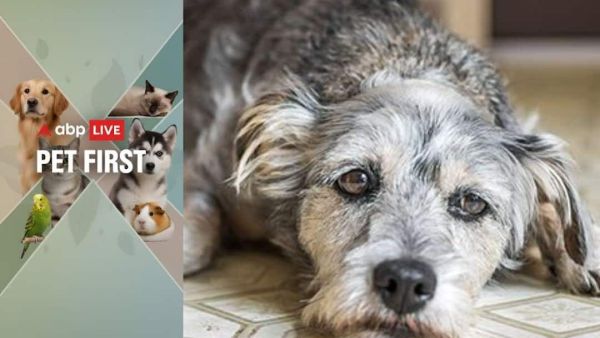
Pets may not be able to express stress in words, but their behaviour often reveals when something feels wrong. Changes in routine, loud noises, unfamiliar visitors or sudden environmental shifts can all affect their emotional well-being. As a pet parent, recognising early warning signs can make a big difference. From unusual eating habits to withdrawal and aggression, stress can show up in several ways in dogs and cats. Understanding these signals helps you respond quickly and create a calmer environment. Early attention and the right care can help your pet feel safer, more comfortable and emotionally secure at home.
Signs Of Stress In Pets
Stress in pets can appear through small behavioural changes that are easy to miss at first. Paying close attention to unusual habits can help you identify when your pet may need extra care and comfort.
Changes In Appetite
A sudden shift in eating habits can be one of the earliest signs of stress. Some pets may stop eating altogether, while others may eat more than usual. Any noticeable change in appetite should be monitored carefully. Creating a calm feeding routine can help reduce anxiety.
Increased Vocalisation
Excessive barking, whining, or meowing may signal distress. If your pet becomes unusually vocal, especially repetitively or anxiously, stress could be the reason behind this behaviour. Calm reassurance and gentle interaction can help ease discomfort.
Restlessness Or Hyperactivity
Pets dealing with stress often struggle to settle down. Dogs may pace repeatedly, while cats may become unusually active or seek unusual hiding spots. This behaviour often reflects nervous energy. A peaceful environment can help them relax.
Excessive Grooming Or Scratching
Over-grooming can be another warning sign. Cats may groom excessively, while dogs may repeatedly lick or scratch themselves. When this becomes frequent, stress or anxiety may be contributing to the behaviour. Distraction through play and comfort can help.
Hiding Or Withdrawal
A stressed pet may suddenly avoid interaction. Cats often hide under furniture or in enclosed spaces, while dogs may isolate themselves in quiet corners. Withdrawal is often a sign that they feel overwhelmed. Giving them space is important.
Changes In Sleep Patterns
Stress can affect your pet’s sleep cycle. Some pets may sleep more than usual, while others may struggle to rest properly. Both changes can indicate emotional discomfort. A calm sleeping environment can improve their comfort.
Aggression Or Unusual Behaviour
Irritability or aggression can sometimes point to stress. A normally friendly pet may suddenly growl, hiss, snap or become defensive. This often happens when they feel unsafe or overwhelmed. Avoid forcing interaction and identify possible triggers.
How To Help Pets Relax
Helping stressed pets starts with making them feel safe. A quiet space, consistent routine and calming activities such as gentle brushing or playtime can make a real difference. Some pets also respond well to pet-safe calming sprays or diffusers. If stress continues or worsens, professional guidance from a vet is the best step.
Recognising stress early can help prevent bigger behavioural and health issues in pets. Small changes in behaviour often carry important signals. With patience, attention and the right care, you can help your pet feel calm, safe and secure.
Disclaimer: The information provided in this article is intended for general informational purposes only. It is not a substitute for professional veterinary advice, diagnosis, or treatment. Always consult a qualified veterinarian regarding your pet’s health, diet, or any medical concerns
-
£100m Brazilian Midfielder Bruno Guimaraes at the Heart of Arsenal, Liverpool and Man United Transfer Battle

-
De La Fuente Confirms: Yéremy Pino Ruled Out for Remainder of the World Cup

-
How to use expired makeup products

-
Man seeks donations to get ‘world’s smallest’ penis enlarged

-
Stressed Sephora shoppers will love new ‘quiet hours’