During the Mughal era, a person could be easily identified through some popular documents.
Passport is not proof of citizenship, it is only a document authorizing travel abroad. Recently, ever since the Government of India has put this fact before the country, there has been a debate on this issue. A large number of people are raising questions that passport, Aadhaar, voter card are made for different purposes, so are all these given to non-Indians also? Famous lyricist Javed Akhtar has expressed strong objection to this statement of the Ministry of External Affairs on X.
Come, amidst the debate on whether a passport is a proof of citizenship or merely a permit to travel abroad, let us know what was the proof of Indian citizenship during the Mughal period? Was there any system at that time to resolve this issue?
What were the traditional means of identification?
In the Mughal period, there was no idea of citizenship like today. The word citizenship is modern. During the Mughal period, people lived under the control of the king. Whatever the king said was considered correct. Religion, caste and profession determined identity. The state machinery also trusted those who contributed to the state tax system and had faith in the state system. Family and clan were traditional means of identity. Identity was linked to relatives and land. Village or locality was also a major basis of identity. The local head or Patwar i.e. official often proved identity when necessary.
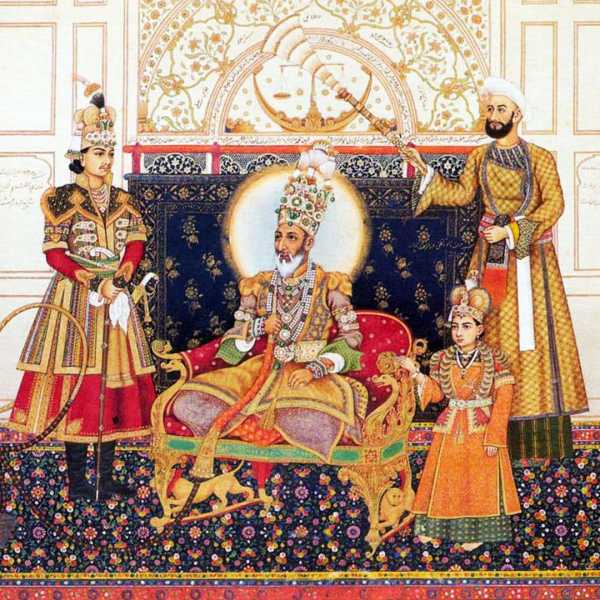
In the Mughal period, there was no idea of citizenship like today. Photo: Getty Images
Identification was also done through government and official documents
In the Mughal period, even though there was no system like today, nor was the term like citizenship used, but a person could be easily identified through some popular documents. All these documents were issued by the emperor, the court or government officials. Some of these are as follows.
- Decree: Royal order or written order of the ruler. Any law, tax exemption, grant of land or any special right was confirmed by this royal decree. It was written in Persian. The royal seal and court signatures made it concrete.
- Sanad: This certified the account of rights. It was a written proof of some right or permission. Land lease, jagir documents, deals were also confirmed through this document. It was usually issued by the court or local treasury. Many times it was written on paper or engraved on copper plate. This was considered the primary evidence in any kind of dispute.
- License: Parvana played an important role in granting permission for travel or trade. This was also the paper giving facility or exemption. It was used for tax exemption, cross border travel, freedom of trade etc. This was also issued by the royal court or the district officer.
- lease: Land and revenue records, proof of land owner or user. It was used to collect taxes and show land titles. There was arrangement to keep it in the local Patwari, Amil or village Chaupal. This was in the form of a written register or personal letter. This was the proof of life for the farmers.
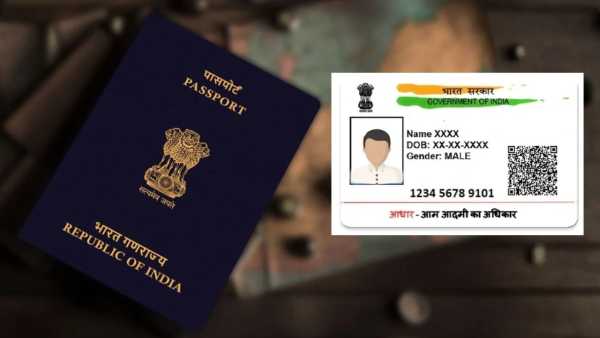
At present Aadhaar and passport are also not considered as proof of citizenship.
- copper plate: During the Mughal period, many times the emperor would issue his orders through copper plates. It was used to account for gifts given to temples or noble families. These remained safe for a long time.
- Nikahnama and religious records: This document was used to confirm the document of marriage, waqf or religious donation. This document was made by Qazi or religious authority. It was used to prove family rights and religious properties.
- Lineage and Shajra Nasab: Especially the noble families used to get their genealogy written. This proved lineage and social status.
- Seals, placards and visual marks: The state seal was the biggest proof. Many orders were accepted through this. Even in bureaucracy, there were seals of small officers. Many times a person had his own signature or symbol. Traders also kept their seal or mark.
- Mansab and Darbari appointment letters: This document was proof of appointment to officer or military posts. Usually there was an arrangement to give it on behalf of the king. It was used to decide posts, military ranks and salaries.
How was the dispute resolved?
The role of witnesses was very important in any kind of dispute. Verification of any document was done through seal and witnesses. Corruption used to happen even in those times. Sometimes papers would go missing from the office. Sometimes duplicate or fake papers were also made. In such a situation, the issue was settled through seal and witnesses.
Lyricist Javed Akhtar's post on passport-citizenship issue
The ministry of external affairs says that a passport is a travel document not the proof of citizenship. Really??? . So are they providing this travel document to some people with out being totally convinced that this person is an Indian citizen?? . It is absurd.
— Javed Akhtar (@Javedakhtarjadu) June 24, 2026
The role of officers and witnesses was important
People like Kotwal, Amil or Revenue Officer and Kuango played a big role. These people used to measure local identity and status. Village elders and pundits could also give evidence. The testimony of witnesses was important in any dispute. Kuango was a private person deployed by royal orders. Who had many rights.
License was necessary for long distance travel
There was no system like modern passport during the Mughal period. There was generally no restriction on internal travel. A license was required for long distances. Without this, problems could have arisen in some areas. Documents were asked for during political crisis or war. The work was done on showing the documents issued by the royal court. Poor and destitute people had less written evidence. The work was done through oral tradition and witnesses.

-
Air India Ends Laundry Service For Crew On International Layovers From July 1

-
Why Is Erling Haaland Not Playing For Norway Against Kylian Mbappe's France In FIFA World Cup 2026?

-
BMC's GeM Procurement Saves ₹43.57 Crore, But Opposition Alleges Delays In School Supplies

-
Girl Denied Exam Over Unpaid Fees; Haryana Minister Shyam Singh Rana Seeks School Derecognition
-
Telangana: Four held for murdering family in Nalgonda