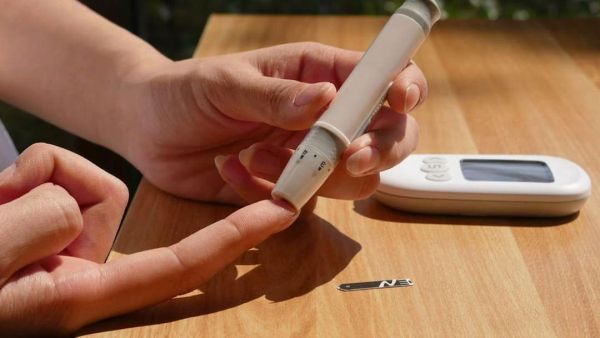
Insulin has been the mainstay of Type 1 diabetes treatment for years now, assisting individuals in controlling the disease once it manifests. A significant medical discovery is now altering that strategy. The National Institute for Health and Care Excellence (NICE) has authorised teplizumab for use on the National Health Service (NHS) in England and Wales.
The ruling has been hailed by experts as the greatest development in the treatment of Type 1 diabetes since the discovery of insulin over a century ago. The World Health Organization (WHO) estimates that hundreds of millions of people worldwide suffer from diabetes. Although Type 2 diabetes is more prevalent, Type 1 diabetes is an autoimmune condition where the immune system unintentionally targets the beta cells in the pancreas that produce insulin, necessitating lifelong insulin therapy.
Treatment Targets Disease Before Symptoms Begin
Teplizumab acts by altering the immune system itself, in contrast to insulin, which substitutes the hormone when the pancreas is injured. The immunotherapy inhibits the immune attack on beta cells, protecting their capacity to make insulin and postponing the disease's progression.
Adults and children with stage 2 Type 1 diabetes who are eight years of age or older are eligible for the treatment. Patients do not yet exhibit any symptoms, but specialised blood tests show impaired blood glucose regulation and diabetes-related autoantibodies, indicating a very high chance of developing symptoms.
How Effective Is Teplizumab?
For 14 days in a row, the medication is given intravenously once a day for at least 30 minutes. Teplizumab patients developed symptomatic Type 1 diabetes an average of 32 months, nearly three years later than those who got a placebo, according to clinical trials. According to researchers, this extra time could be particularly helpful for kids and teenagers as it would postpone the daily load of insulin injections, glucose monitoring and the danger of problems related to the illness.
It may also lessen the likelihood of presenting with diabetic ketoacidosis (DKA), a potentially life-threatening condition that remains a common way many children are first diagnosed with Type 1 diabetes.
Why Experts Are Calling It A Landmark Breakthrough
The approval was referred to as "The dawn of a new age of Type 1 diabetes treatment" by Dr Elizabeth Robertson, Director of Research and Clinical at Diabetes UK. For the first time in almost a century, she noted, medical professionals now have a treatment that targets the disease's root cause rather than just treating its symptoms. In order to help eligible patients before symptoms manifest, she also emphasised the importance of growing early screening programs.
Experts point out that specialised blood tests that can identify diabetes-related autoantibodies are necessary to identify eligible patients because stage 2 Type 1 diabetes has no symptoms. In order to guarantee that more patients may receive the medication, NICE has stated that broader screening procedures would be required throughout the NHS.
Shift Towards Preventing Disease Progression
Teplizumab is a significant step toward disease-modifying treatments, according to experts, even while it cannot reverse Type 1 diabetes and is not a cure. Doctors may now be able to intervene early and slow the autoimmune process itself rather than waiting until the pancreas has lost its capacity to make insulin. The historic TN-10 clinical experiment, which was published in the New England Journal of Medicine (NEJM), showed that altering the immune system prior to the onset of symptoms might significantly alter the course of illness rather than just controlling its aftereffects.
Delaying Type 1 diabetes by a few years may give families who are dealing with the uncertainties of the condition important time to prepare, lessen emotional stress, and enhance quality of life. Teplizumab may signal the start of a new era in diabetes care, one that focuses not only on controlling the condition but also on preventing its genesis entirely, as researchers continue to investigate preventative medicines.
-
45 Minutes At Lohagad: Police Claim Ketan Agarwal Was Lured, Killed And Accused Fled

-
FIFA to Keep Hydration Breaks as a Permanent Feature at Future World Cups Despite Ongoing Criticism

-
Sweden’s Anthony Elanga Confesses He Was Unaware a Draw Against Japan Would Secure World Cup Knockout Qualification

-
Pune Race Course Gears Up For 2026 Racing Season As Trainers Prepare For Marquee Events

-
'Insecure About His Popularity': Netizens React As Vaibhav Sooryavanshi Benched For IND Vs IRE 1st T20I