Early morning or midday shows: For strategic cinephiles, it's all about timing it right
ETimes | June 26, 2026 8:40 PM CST
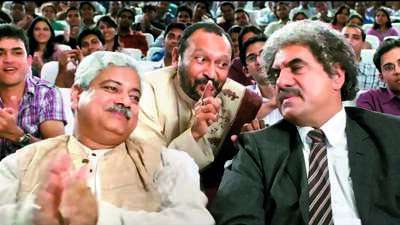
You buy the ticket. You brave the traffic. You arrive just in time for the trailers. And then someone in the row ahead spends ten minutes ordering nachos, another turns on their phone flashlight for a photo, and a third decides the movie is the perfect place to catch up with a relative on a phone call.
Feels familiar? Well let’s just say that you are not alone. A recent post by pop-culture enthusiast Vishal Agnihotri (@dilliwasi) struck a chord with moviegoers online. “Went to see a movie today. Got stuck in traffic. Was already late by half an hour. People have no etiquette. Someone’s trying to order food for over 10 minutes. Someone has their flash on while taking pictures of the screen. Walked out of the theatre. Can’t watch films like this,” he wrote.
The frustrations are hardly new. But for many cinema lovers, the response has changed. Instead of complaining, they're adapting.

For Delhi-based regular moviegoer Gauri Dalal, a trip to the cinema has become a carefully planned ritual. “It's become almost a system,” she says. The 23-year-old prefers afternoon shows, usually between noon and 2.30 pm, and almost always books the same aisle seat. The reason? Experience. “The crowd at that hour is calmer and more intentional. People have made a deliberate choice to be there,” she says.
However, she is not the only one who has altered her movie-going habits. Patna-based content writer Rishav Kumar, 26, says a particularly unpleasant experience during a crowded evening show changed the way he watches films. “The film relied heavily on suspense, but the auditorium was packed and people kept shouting, commenting and making unnecessary noises throughout the screening. It became difficult to concentrate, and I felt like I missed some of the film's best moments. Since then, I've started preferring morning or late-night shows. They're usually quieter, less crowded and make it easier to get the seat you actually want, which can make a huge difference to the overall experience,” he says.
For 43-year-old regional bank manager Shankar D from Mangaluru, timing has become one of the most important factors in planning a cinema outing. “I actively look for afternoon shows whenever possible. The traffic is lighter, parking is easier and the entire outing feels less rushed. It makes going to the movies feel more enjoyable,” he says.
The preference for non-peak-hour screenings is also being reflected in audience behaviour. According to Ashish Misra, Head of Commercialisation at Cinépolis India , daytime slots are no longer viewed merely as discounted alternatives to prime-time shows. “Prime time and night shows continue to be our premium revenue driver, and that has not changed. What has changed is that daytime slots are no longer just filler. They have become a deliberate choice for a specific set of audiences,” says Misra. Students, Gen Z viewers, film enthusiasts and homemakers are increasingly opting for calmer daytime screenings, he adds. The shift is visible in the chain's midweek footfalls as well, with Tuesday admissions rising from around 9-10 per cent of weekly admissions to 15-16 per cent, aided by initiatives such as its Blockbuster Tuesdays offer.
A January 2026 Fortune India report on PVR INOX noted that early-morning screenings, weekday shows and late-night slots helped drive admissions for blockbuster titles, suggesting audiences are increasingly willing to experiment with when they watch films.
“Phone screens at full brightness are practically an assault on your concentration,” Dalal says. “There used to be a social contract around watching movies. Lights go down, everyone settles in and stays quiet. That contract feels much weaker now.”
Yet not everyone sees audience participation as a problem.
For some movie lovers, the crowd is part of the attraction rather than something to be avoided. Mumbai-based film festival director Praveen Nagda, who watches a large number of films every year, prefers early morning or late-night shows, but not because he's avoiding people. “In case of many hit films, often there is a lot of audience cheer and participation. I think it's more to do with the type of film and not much to do with time/day of the week,” he says. Nagda believes enthusiastic crowds are often part of the fun, especially during major releases.
Of course, not every cinema strategy is about avoiding fellow moviegoers. Sometimes it's simply about making the outing work for the family. Producer-director Ekant Babani, who often watches films with his young twin children, says practical considerations usually come first. Daytime shows, reasonable ticket prices and cinemas located inside malls tend to win. “We do prefer cinemas inside a mall because food, play areas and gaming zones become an added benefit for the kids,” he says.

Babani is also mindful of how his family affects others. “Even as toddlers, they were never allowed to speak loudly or create a ruckus. There have been times when we've taken them out of the hall. It's about teaching basic civic sense.”
Whether it's an 8 am screening, a favourite aisle seat, a trusted theatre or simply avoiding opening weekend crowds, movie lovers are increasingly curating their cinema experience . Because while nobody can control the person with the flashlight or the late-night snack order, they can at least improve the odds. After all, sometimes the secret to enjoying a movie isn't choosing the right film. It's choosing the right show.
Feels familiar? Well let’s just say that you are not alone. A recent post by pop-culture enthusiast Vishal Agnihotri (@dilliwasi) struck a chord with moviegoers online. “Went to see a movie today. Got stuck in traffic. Was already late by half an hour. People have no etiquette. Someone’s trying to order food for over 10 minutes. Someone has their flash on while taking pictures of the screen. Walked out of the theatre. Can’t watch films like this,” he wrote.
The frustrations are hardly new. But for many cinema lovers, the response has changed. Instead of complaining, they're adapting.
For Delhi-based regular moviegoer Gauri Dalal, a trip to the cinema has become a carefully planned ritual. “It's become almost a system,” she says. The 23-year-old prefers afternoon shows, usually between noon and 2.30 pm, and almost always books the same aisle seat. The reason? Experience. “The crowd at that hour is calmer and more intentional. People have made a deliberate choice to be there,” she says.
However, she is not the only one who has altered her movie-going habits. Patna-based content writer Rishav Kumar, 26, says a particularly unpleasant experience during a crowded evening show changed the way he watches films. “The film relied heavily on suspense, but the auditorium was packed and people kept shouting, commenting and making unnecessary noises throughout the screening. It became difficult to concentrate, and I felt like I missed some of the film's best moments. Since then, I've started preferring morning or late-night shows. They're usually quieter, less crowded and make it easier to get the seat you actually want, which can make a huge difference to the overall experience,” he says.
For 43-year-old regional bank manager Shankar D from Mangaluru, timing has become one of the most important factors in planning a cinema outing. “I actively look for afternoon shows whenever possible. The traffic is lighter, parking is easier and the entire outing feels less rushed. It makes going to the movies feel more enjoyable,” he says.
The preference for non-peak-hour screenings is also being reflected in audience behaviour. According to Ashish Misra, Head of Commercialisation at Cinépolis India , daytime slots are no longer viewed merely as discounted alternatives to prime-time shows. “Prime time and night shows continue to be our premium revenue driver, and that has not changed. What has changed is that daytime slots are no longer just filler. They have become a deliberate choice for a specific set of audiences,” says Misra. Students, Gen Z viewers, film enthusiasts and homemakers are increasingly opting for calmer daytime screenings, he adds. The shift is visible in the chain's midweek footfalls as well, with Tuesday admissions rising from around 9-10 per cent of weekly admissions to 15-16 per cent, aided by initiatives such as its Blockbuster Tuesdays offer.
A January 2026 Fortune India report on PVR INOX noted that early-morning screenings, weekday shows and late-night slots helped drive admissions for blockbuster titles, suggesting audiences are increasingly willing to experiment with when they watch films.
“Phone screens at full brightness are practically an assault on your concentration,” Dalal says. “There used to be a social contract around watching movies. Lights go down, everyone settles in and stays quiet. That contract feels much weaker now.”
Yet not everyone sees audience participation as a problem.
For some movie lovers, the crowd is part of the attraction rather than something to be avoided. Mumbai-based film festival director Praveen Nagda, who watches a large number of films every year, prefers early morning or late-night shows, but not because he's avoiding people. “In case of many hit films, often there is a lot of audience cheer and participation. I think it's more to do with the type of film and not much to do with time/day of the week,” he says. Nagda believes enthusiastic crowds are often part of the fun, especially during major releases.
Of course, not every cinema strategy is about avoiding fellow moviegoers. Sometimes it's simply about making the outing work for the family. Producer-director Ekant Babani, who often watches films with his young twin children, says practical considerations usually come first. Daytime shows, reasonable ticket prices and cinemas located inside malls tend to win. “We do prefer cinemas inside a mall because food, play areas and gaming zones become an added benefit for the kids,” he says.
Babani is also mindful of how his family affects others. “Even as toddlers, they were never allowed to speak loudly or create a ruckus. There have been times when we've taken them out of the hall. It's about teaching basic civic sense.”
Whether it's an 8 am screening, a favourite aisle seat, a trusted theatre or simply avoiding opening weekend crowds, movie lovers are increasingly curating their cinema experience . Because while nobody can control the person with the flashlight or the late-night snack order, they can at least improve the odds. After all, sometimes the secret to enjoying a movie isn't choosing the right film. It's choosing the right show.
READ NEXT
-
India Men’s Hockey Team crushes arch-rivals Pakistan 7-1 in London

-
Horoscope 27 June 2026: People of these zodiac signs including Aries, Taurus may win lottery, know what your stars are saying.

-
World Cup 2026 Pride Match Explained: Why Iran And Egypt Are Fighting FIFA Over Rainbow Flags

-
Novak Djokovic, Jannik Sinner Drawn Together In Wimbledon Title Race

-
India Faces Setback in T20I Against Ireland: Shreyas Iyer Reflects on Loss