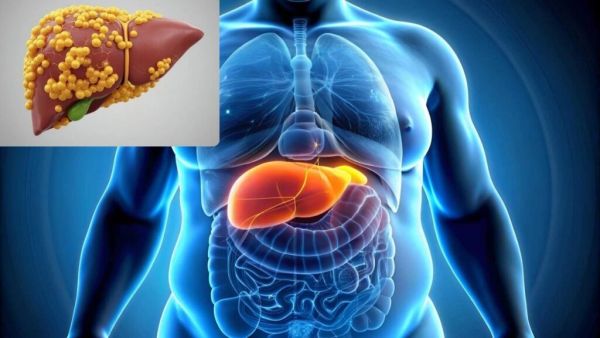
- Even normal weight increases the risk of fatty liver
- What exactly is the reason behind the change?
- The reasons given by the doctor
Unhealthy lifestyles, obesity and diabetes have long been linked to fatty liver disease. However, doctors are now finding fatty liver disease even in individuals who are normal weight, appear healthy, and have no history of diabetes. Therefore, the belief that only overweight people are at risk of fatty liver is clearly wrong. Consultant Gastroenterologist at Saifi Hospital Dr. Josefa Runderawala has given the reasons behind this change, let’s know.
Chilli Potato: Make restaurant-style crispy chili potatoes in just 15 minutes; A taste that you will eat again and again, read the simple recipe
One important reason behind this change is that Indians and other Asians have a different distribution of body fat. Even if a person has a normal BMI, they may still have excess fat around their abdomen and internal organs. This fat is called visceral or central obesity. This fat can cause inflammation in the body, insulin resistance and fat accumulation in the liver.
This condition is now known as Lean Metabolic Dysfunction-Associated Steatotic Liver Disease (Lean MASLD). In this type, fat accumulates in the liver even in the absence of obesity. Although this type is not as common as fatty liver in overweight people, it is not at all rare in Indians. Even a person with a normal BMI can be at metabolic risk, especially if they have a protruding stomach or a large waist circumference.
Another important reason behind this is metabolic imbalance in the body. Even if the weight is normal, impaired fat metabolism, and especially an increase in “bad” cholesterol (LDL), can cause fat to accumulate in the liver cells. Besides, improper diet, inactive lifestyle, lack of exercise, insufficient sleep and chronic stress also increase this risk.
The biggest problem with fatty liver is that the disease does not show any obvious symptoms in its early stages. It is often found incidentally during a routine health checkup, pre-employment medical examination, or imaging tests performed for other reasons. Even when the liver is damaged, many people are unaware of the disease as there are no symptoms at first.
If not diagnosed or treated in time, fatty liver can progress to metabolic dysfunction-associated steatohepatitis (MASH), a serious inflammatory liver disease. This can lead to fibrosis in the liver, cirrhosis and in severe cases liver failure.
Every patient diagnosed with fatty liver should also be screened for other metabolic diseases such as diabetes, high blood pressure and cholesterol disorders, even if they have not been previously diagnosed.
This makes one thing clear. Fatty liver is not only a disease of obese people. A normal weight does not necessarily mean that the liver is completely healthy. Therefore, regular health check-ups, metabolic checks, and especially monitoring waist circumference, can prevent fatty liver from developing in the future by early detection of fatty liver.
Eye Health: Increased screen time? Eat ‘These’ Superfoods for Eye Health; Include iron in the diet
-
Telangana man dies in London under suspicious circumstances

-
62 quacks held in Assam since last year: Himanta

-
Businessman jumps to death from Bandra-Worli Sea Link in Mumbai

-
India sends relief supplies to earthquake-hit Venezuela

-
Can Pigeons Spot Cancer? Scientists Say These Birds May Help Improve Future Diagnoses