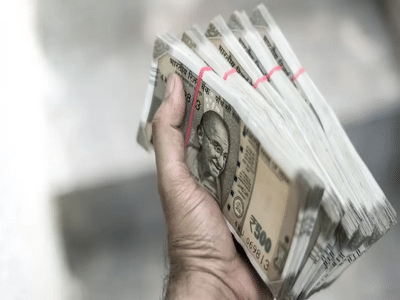
Large cash withdrawals often create confusion among taxpayers, with many believing that withdrawing ₹10 lakh or more from a bank account automatically attracts income tax. However, this is a common misconception. Simply withdrawing a large amount of cash does not make it taxable.
That said, high-value cash transactions are monitored by tax authorities as part of efforts to detect suspicious financial activity and curb tax evasion. Understanding how these rules work can help you avoid unnecessary concerns and ensure your financial records remain in order.
Does Withdrawing ₹10 Lakh or More Attract Income Tax?The simple answer is No.
There is no provision under the Income Tax Act that imposes tax solely because an individual withdraws ₹10 lakh or more from a bank account.
A cash withdrawal is merely the withdrawal of your own money that is already held in your account. Therefore, the act of withdrawing cash itself is not treated as taxable income.
Why Does the Income Tax Department Monitor Large Cash Transactions?Although cash withdrawals are not taxed, banks are required to report certain high-value financial transactions to the Income Tax Department under existing reporting rules.
The purpose of this monitoring is to:
- Detect suspicious financial transactions.
- Prevent tax evasion and unaccounted money.
- Improve financial transparency.
- Identify cases where declared income does not match spending or banking activity.
Monitoring a transaction does not automatically mean that any tax liability exists.
When Can Tax Issues Arise?Problems may arise if there is a significant mismatch between your declared income and your financial transactions.
For example, if someone regularly withdraws large sums of cash but reports a relatively low taxable income without a reasonable explanation, the Income Tax Department may seek clarification regarding the source and use of the funds.
In such situations, authorities may examine whether:
- The money comes from disclosed income.
- Taxes have already been paid where applicable.
- Financial records support the transaction.
- There are any unexplained cash movements.
The focus is generally on the source of funds, not the withdrawal itself.
Will You Receive an Income Tax Notice?Simply withdrawing ₹10 lakh or more from your own bank account does not automatically result in an Income Tax notice.
A notice is generally issued only when tax authorities identify discrepancies or unusual financial patterns during data analysis.
Situations that may attract scrutiny include:
- A substantial difference between reported income and banking transactions.
- Repeated high-value cash dealings without proper documentation.
- Unexplained financial activity that appears inconsistent with tax filings.
If your income and banking records are properly disclosed, there is generally no reason for concern.
Keep Proper DocumentationMaintaining accurate financial records is one of the best ways to avoid unnecessary tax-related inquiries.
You should preserve documents such as:
- Bank statements.
- Business records (if applicable).
- Property transaction documents.
- Loan agreements.
- Income records.
- Investment details.
Proper documentation makes it easier to explain large financial transactions if clarification is ever required.
When Is Cash Withdrawal Necessary?Although digital payments have become increasingly common through UPI, internet banking, and debit cards, cash is still required in many situations, including:
- Business transactions.
- Property-related payments where legally permitted.
- Weddings and family functions.
- Agricultural activities.
- Personal emergencies.
- Rural areas with limited digital payment infrastructure.
For legitimate purposes, withdrawing large amounts of cash from your own bank account is completely permissible.
Key Points to RememberHere are the most important facts:
- Withdrawing ₹10 lakh or more from your bank account is not taxable.
- Large cash transactions may be monitored by tax authorities.
- Monitoring does not mean tax is automatically payable.
- Income Tax notices are generally issued only when financial transactions do not align with declared income or other available records.
- Maintaining proper documentation can help resolve any future queries quickly.
Many taxpayers mistakenly believe that withdrawing ₹10 lakh or more from a bank account automatically results in an income tax liability. In reality, there is no tax on cash withdrawals simply because of the amount withdrawn.
However, large financial transactions remain subject to regulatory monitoring. As long as your income is properly reported, the source of your funds is legitimate, and your financial records are well documented, withdrawing a large amount of cash should not create any tax-related problems. Staying transparent and maintaining accurate records is the best way to avoid unnecessary scrutiny from tax authorities.
-
Apple increased the prices of products across the world including India, MacBook and iPad became expensive.

-
Smart banking on one side, smart fraud on the other side, is money safe in the era of AI?

-
What will be the impact of the severe earthquake in Venezuela on India? Increased concern over crude oil supply and prices of petrol and diesel

-
S&P upgrades Adani Ports to BBB; cites strong cash flows, balance sheet strength

-
Big relief for LPG consumers! Gas connection can be restarted even after taking PNG connection, know the new rule