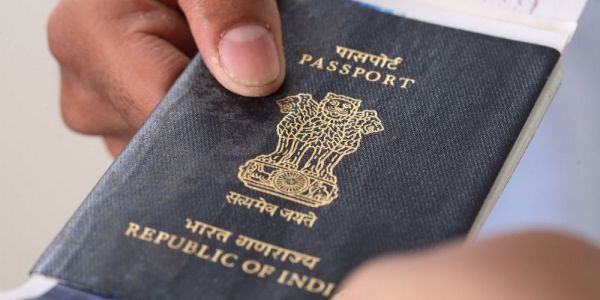
The Ministry of External Affairs (MEA) has clarified that an Indian passport should not be considered conclusive proof of citizenship, stressing that its primary purpose is to serve as an international travel document. The clarification comes amid increasing public discussions over which official documents can be used to establish Indian citizenship and follows the government’s efforts to modernise the country’s passport ecosystem.
Officials emphasised that while passports are issued only after extensive verification, they are designed to facilitate international travel and establish the holder’s identity abroad rather than function as a standalone legal proof of citizenship.
Why the Government Issued the Clarification
The clarification was made during the 14th Passport Seva Divas celebrations, where the MEA highlighted the expansion of passport services and the rollout of chip-based e-passports across India. Officials said there is often confusion among the public regarding the legal status of various identity documents, prompting the need to explain the specific purpose of a passport.
According to the ministry, a passport certifies a person’s nationality for international travel but should not be interpreted as the definitive legal document for determining citizenship in every context.
Passport Issed After Extensive Verification
The MEA clarified that issuing a passport involves rigorous scrutiny and verification of multiple documents submitted by the applicant. Authorities verify information through several government agencies before granting a passport.
However, officials noted that the verification process does not change the passport’s legal purpose, which remains that of a travel document rather than a citizenship certificate.
India Expands E-Passport Programme
The announcement also highlighted the government’s progress in modernising passport services. Since the nationwide rollout of chip-based e-passports, over 14 million e-passports have already been issued across the country.
The embedded electronic chip stores biometric and personal information securely, helping reduce document fraud while improving global acceptance of Indian passports at international immigration checkpoints.
The government has also expanded Passport Seva Kendras and Post Office Passport Seva Kendras to improve access to passport services, especially in smaller cities and rural areas.
Citizenship Continues to Be Governed by Law
Officials reiterated that Indian citizenship is determined under the provisions of the Citizenship Act, 1955, and rules. Citizenship may be acquired through birth, descent, registration, naturalisation, or incorporation of territory, depending on individual circumstances.
The clarification does not alter existing citizenship laws but simply distinguishes the role of a passport from legal provisions governing citizenship.
What It Means for Citizens
For most Indians, the clarification is unlikely to affect everyday use of passports for travel or identity verification. Passports will continue to remain one of the country’s most secure government-issued identity documents for international travel.
However, the MEA’s statement serves as an important reminder that different government documents have different legal purposes, and citizenship questions continue to be governed by constitutional and statutory provisions rather than any single identity document.
Summary
The Ministry of External Affairs has clarified that an Indian passport is primarily a travel document and should not be treated as conclusive proof of citizenship. While passports are issued after extensive verification, officials said citizenship is governed by the Citizenship Act and laws. The clarification came as the government highlighted the rapid expansion of e-passports and passport services across the country.
-
Jurgen Klopp Shares Why He Supports the World Cup’s Controversial Hydration Breaks

-
4 Zodiac Signs Attract Significant Abundance & Luck On Friday, June 26, 2026

-
Want to keep love intact? Don’t tell your partner these 4 things about yourself!

-
What Is a Reasoning Model? The AI Breakthrough That Taught Machines to “Think”

-
a16z-backed Base Power is offering cheaper electricity to the power grid that needs it most