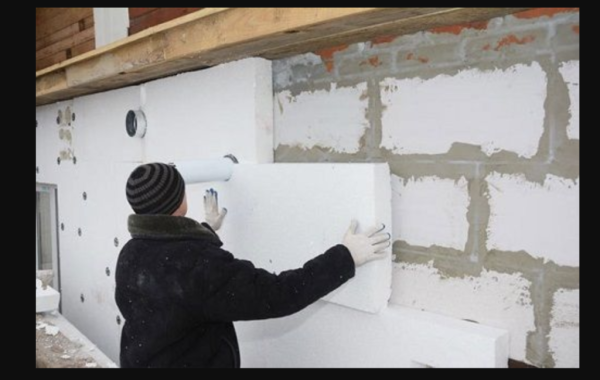
As temperatures continue to soar across India, homeowners are increasingly exploring alternative construction technologies that can keep homes cooler while reducing dependence on air conditioners. One such solution gaining attention is EPS (Expanded Polystyrene) wall technology, commonly referred to as thermocol wall construction.
The technology has sparked widespread interest on social media and among builders due to its ability to improve insulation, reduce indoor heat, and accelerate construction timelines. As cooling costs rise and heatwaves become more frequent, many homeowners are considering EPS-based construction as a practical way to build energy-efficient homes.
What Is Thermocol Wall Technology?
Despite its appearance, the material used in these walls is not the ordinary thermocol commonly found in packaging. Instead, builders use specialised EPS panels or blocks that are engineered for construction purposes.
These panels are typically installed between layers of concrete, steel mesh, or other structural materials to create insulated walls. The EPS core acts as a thermal barrier, reducing the transfer of heat between the outside environment and indoor spaces.
How Does It Keep Homes Cooler?
The biggest advantage of EPS wall technology is its thermal insulation capability. Traditional brick and concrete walls absorb and transfer heat, causing indoor temperatures to rise during summer months.
EPS panels significantly slow down heat transfer, helping interiors remain cooler for longer periods. As a result, homeowners may require less air conditioning and cooling equipment, potentially reducing electricity consumption and energy bills.
With India experiencing increasingly severe heatwaves, energy-efficient construction methods are attracting greater attention from both consumers and developers.
Faster and Lighter Construction
Apart from thermal benefits, EPS panels are considerably lighter than conventional bricks and concrete blocks. Their lightweight nature makes transportation easier and speeds up the construction process.
Builders can assemble walls more quickly, reducing labour requirements and project timelines. This efficiency has contributed to the growing adoption of EPS-based systems in residential, commercial, and industrial projects worldwide.
Beyond Residential Homes
EPS technology is already being used in a variety of applications beyond housing. It is commonly found in cold storage facilities, insulated roofing systems, industrial structures, and sandwich-panel construction projects where temperature control is important.
Researchers have also highlighted its potential benefits in reducing building weight, improving thermal comfort, and enhancing energy efficiency. Some studies have even explored its use in earthquake-resistant construction systems when combined with reinforced concrete structures.
Not a Complete Replacement for Bricks
While EPS wall technology offers several advantages, experts caution that it is not a direct replacement for traditional construction materials in every situation. The strength and durability of a building depend on the overall structural design, engineering standards, and quality of materials used.
In most projects, EPS panels work alongside steel and concrete components rather than replacing them entirely. Their primary role is to improve insulation and construction efficiency.
As homeowners seek smarter ways to combat rising temperatures, thermocol wall technology is emerging as a promising solution that combines energy efficiency, comfort, and faster construction—making it an increasingly attractive option for the homes of the future.
Summary
EPS-based thermocol wall technology is gaining popularity among homeowners looking to keep homes cooler and reduce energy consumption. The insulated panels help block heat transfer, lower cooling requirements, and speed up construction. While not a complete replacement for traditional building materials, the technology is increasingly being adopted for its energy efficiency, thermal comfort, and modern construction benefits.
-
Jordan Pickford’s Place Among England’s Goalkeeping Legends: Peter Shilton Ranks Current No.1 Alongside Gordon Banks and David Seaman

-
'A Massive Boost For The Future Of Women Cricketers': Sachin Tendulkar Hails ICC's Post-Pregnancy Return Guidelines

-
FIFA World Cup 2026: 1 Dead, 8 Injured In Stampede During Jordan Vs Algeria Public Screening In Amman

-
Lionel Messi vs Cristiano Ronaldo: Why the Comparison Never Truly Made Sense

-
FIFA World Cup 2026: Latest Updates, Historical Facts and Key Highlights