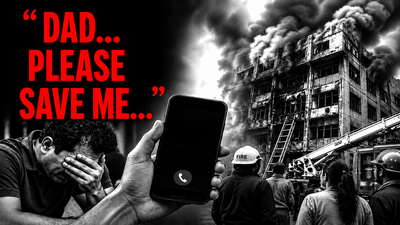
In the recent Lucknow fire incident, Sukhamani Singh, a young game designer, reportedly called his father in desperation, pleading for help as flames engulfed the building. Moments later, the call was disconnected—leaving behind a familiar cycle of grief, outrage, compensation announcements, suspension orders, and official inquiries.
But the central question remains unchanged: Are the lives of India’s youth reduced to press conferences and compensation cheques?
A Repeating Pattern of Tragedies
The Lucknow incident is far from isolated. Over the years, India has witnessed multiple deadly disasters:
- The 2019 Surat coaching centre fire that killed 22 students
- The 2024 Rajkot gaming zone fire that claimed 27 lives, including children
- The Uphaar cinema fire and the Kamala Mills tragedy in Mumbai
- Numerous hospital, coaching centre, and commercial building fires across cities
Despite differences in location, the pattern remains disturbingly consistent—illegal construction, blocked emergency exits, paper-only fire safety clearances, and a post-disaster blame game.
Each time, authorities promise strict action. Each time, accountability fades with time.
Are These “Accidents” or Administrative Failures?
A harsh but growing argument is that many such tragedies are no longer mere accidents but systemic administrative failures.
When buildings lack safe exits, it is not fire that kills—it is negligence. When fire audits exist only on paper, it is not smoke that kills—it is corruption. When rescue operations are delayed due to procedural hesitation, it is not suffocation alone—it is institutional paralysis.
In the Lucknow case, families allege that earlier intervention—such as breaking a wall for evacuation—could have saved lives. Instead, precious minutes were lost.
A Nation of Youth or a Growing Graveyard?
India often celebrates its demographic advantage:
- A young population
- A booming digital economy
- Startup success stories
- Aspirations of becoming a multi-trillion-dollar economy
But the contradiction is stark: Can the country guarantee that its youth will return home safely after leaving for work, study, or training?
If coaching centres, gaming zones, training institutes, and even hospitals are unsafe, what does development truly mean?
Real progress is not measured only in GDP growth, but in the ability of a nation to protect its citizens.
Not More Committees, But Accountability
The core issue is not that tragedies occur—but that nothing fundamentally changes afterward.
After every disaster:
- A committee is formed
- A report is submitted
- Officials are suspended
- Compensation is announced
- And the case slowly fades from public memory
What India needs, critics argue, is not more inquiries—but enforceable accountability.
That would mean:
- Jail terms for officials issuing fake fire clearances
- Asset seizure for illegal builders
- Treating gross safety negligence as a serious criminal offence
- Mandatory public audits of all commercial and public buildings
Until negligence carries real consequences, systemic failure is likely to continue.
Compensation Is Not Justice
Governments often announce financial compensation after tragedies. But can any amount truly compensate a lost child?
Compensation may provide temporary relief—but it is not justice.
Justice would mean:
- Personal accountability for decision-makers
- Fear of prosecution for safety violations
- Recognition of negligence as a serious criminal act
Without this, compensation remains symbolic rather than corrective.
The Final Question
Imagine the father who heard his son’s last words—“Papa, please save me…”
In that moment, he did not think of policy, politics, or progress. He only hoped that somewhere, a functioning system existed to protect his child.
But that system, once again, failed.
And so the uncomfortable question remains:
Can a nation that cannot protect its children truly call itself developed—or even responsible?
Until that answer changes, every fire, every collapse, and every preventable death will continue to ask the same question of India:
How long will the country keep failing its youth?
-
Schweinsteiger's Ivory Coast comments spark racism debate

-
Tamil Nadu Government Challenges High Court Ruling on Religious Practices

-
UAE's hidden addiction battle: Are families spotting warning signs early enough?

-
Indian startup CRED founder Kunal Shah takes over WhatsApp

-
No gym fees this summer: This Dubai venue offers free indoor fitness area