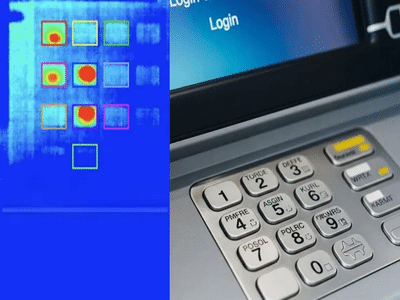
As digital banking and ATM transactions become an essential part of everyday life, fraudsters are continuously developing new techniques to target unsuspecting users. One emerging security concern attracting attention from cybersecurity experts involves the use of thermal imaging technology to potentially identify ATM PIN entries.
Known as the "ATM Thermal Scanning" method, this technique relies on detecting heat traces left on keypad buttons after a user enters their PIN. While it may sound like something out of a spy movie, security researchers say thermal imaging can, under certain conditions, reveal clues about which keys were recently pressed.
Here's what consumers need to know about this evolving threat and how they can protect themselves.
What Is ATM Thermal Scanning?Thermal scanning is a process that uses specialized cameras or heat-detection devices to identify temperature differences on surfaces. When a person enters a PIN at an ATM, their fingertips leave behind tiny amounts of heat on the buttons they touch.
These heat signatures can remain detectable for a short period, depending on environmental conditions and the material of the keypad. By capturing an image of the keypad immediately after a transaction, a criminal may be able to identify which buttons were recently pressed.
Although the technology typically cannot reveal the exact PIN instantly, it may provide valuable clues that narrow down the possible combinations.
How the Scam Could WorkSecurity experts explain that the success of such an attack depends heavily on timing. A fraudster would generally need to access or observe the ATM shortly after the customer completes a transaction.
A typical scenario may involve the following steps:
For example, if thermal images reveal that the numbers 3, 4, 7, and 8 were used, a fraudster could test various combinations involving those digits rather than guessing from all possible PIN numbers.
Why Keypad Material MattersThe effectiveness of thermal scanning can vary significantly depending on the type of keypad installed in an ATM.
Plastic KeypadsPlastic surfaces tend to retain heat for longer periods. As a result, thermal traces left by fingers may remain visible for a longer duration, making it easier for someone with thermal imaging equipment to analyze recently pressed buttons.
Plastic keypads may therefore be more vulnerable to thermal detection attempts if other security measures are absent.
Metal KeypadsMetal conducts and dissipates heat much more quickly than plastic. This means the temperature difference created by a user's touch fades faster, reducing the amount of time available for thermal analysis.
Because of this characteristic, many security specialists consider metal keypads to be more resistant to heat-based observation techniques.
How Realistic Is the Threat?While thermal scanning has been demonstrated in research environments, experts emphasize that it is not a simple or guaranteed method for stealing ATM PINs. Several factors can affect its success, including ambient temperature, keypad material, time elapsed after the transaction, and the quality of the thermal imaging equipment.
In most cases, criminals would still need additional information or access to the victim's bank card to commit financial fraud. Nevertheless, the technique highlights the growing sophistication of modern cybercrime and the importance of maintaining strong security habits.
Tips to Protect Your ATM PINConsumers can reduce the risk of PIN-related fraud by following a few simple precautions:
Cover the Keypad While Entering Your PINAlways use your hand to shield the keypad when typing your PIN. This remains one of the most effective ways to prevent observation by cameras, shoulder surfers, and other surveillance methods.
Touch Extra Keys After Completing the TransactionSome security experts recommend lightly pressing a few additional keys after entering the PIN. This can create extra heat patterns and make it more difficult for anyone attempting thermal analysis to identify the correct sequence.
Stay Alert to Suspicious ActivityIf you notice someone lingering unusually close to an ATM or behaving suspiciously after customers complete transactions, avoid using that machine and report concerns to the bank if necessary.
Prefer Well-Monitored ATMsUse ATMs located inside bank branches, shopping centers, or other areas with visible security measures and surveillance systems.
Change Your PIN RegularlyUpdating your ATM PIN periodically can help limit potential damage if your credentials are ever compromised.
The Bottom LineAs technology evolves, fraudsters continue to explore new ways to gather sensitive information. While ATM thermal scanning is not among the most common forms of banking fraud today, it serves as a reminder that personal security practices remain crucial. Covering the keypad, staying aware of your surroundings, and using trusted ATM locations can go a long way in protecting your financial information from emerging threats.
-
Body will get cooling and energy in summer! Make Nutritious Jaggery-Makhana Lassi in an instant, note down the recipe

-
Hair Growth Tips: This is how women of old times kept their hair thick and beautiful, you should also know

-
In Gorakhpur, minor murdered blood relatives, killed elder brother, sister-in-law and nephew

-
Upcoming Smartphone: Nothing will explode again? Phone 4b will come to India after Phone 4a? Design leaks

-
Money will be deducted from the bank without your knowledge, turn off ‘Auto-Pay’ like this? The process is very easy