All hell broke loose after a video — purportedly recorded in a private room — showing a man resembling Punjab chief minister Bhagwant Mann drinking and splashing liquor on the photos of Sikh Gurus, went viral.
While the authenticity of the clip remains fiercely contested, its political consequences have begun to unfold. The Aam Aadmi Party leader insists he is not the person in the video and has accused political opponents of orchestrating a smear campaign.
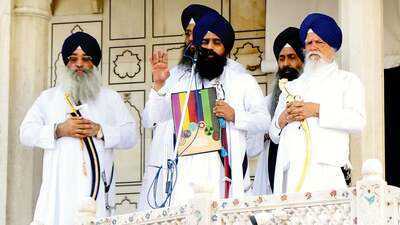
The controversy escalated dramatically last week when the Akal Takht, the highest temporal authority of the Sikhs, declared Mann a ‘Guru Dokhi’ (anti-Guru) and ‘Khalsa Panth Virodhi’ (anti-Khalsa Panth). The Sikh clergy accused him of disrespecting Sikh sentiment and misleading the Takht.
In January, a complaint was filed accusing Mann of making controversial remarks about ‘Guru ki Golak’ (donation boxes in gurdwaras), and behaving objectionably in said video.
According to Akal Takht Jathedar Giani Kuldeep Singh Gargajj, Mann appeared before the Sikh clergy and said the video was AI-generated. The Akal Takht asked Mann to suggest forensic laboratories that could independently examine it. No response was received. The Akal Takht then sought verification from two Central government-recognised forensic laboratories: both concluded that the video was genuine and showed no signs of AI manipulation.
“The CM’s position is a respectable one. But chief minister Bhagwant Singh Mann lied before the Akal Takht,” said Gargajj while announcing the decision.
The BJP tries a new political stunt in PunjabReligious censure has placed the AAP in an extraordinarily difficult position a few months before Punjab heads to Assembly polls. While the Akal Takht possesses no constitutional authority to remove an elected CM, its moral and religious influence among Sikh voters is unquestionable.
By branding Mann as ‘anti-Guru’, the Sikh clergy has effectively handed the Opposition a powerful emotional issue. Even if legal and electoral norms prevent political parties from directly weaponising the hukamnama in campaign material, the social and psychological impact of such a decree cannot be ignored.
The Akal Takht’s directive asking Sikhs to “shun ties” with Mann has further complicated matters.
Veteran observer of Punjab politics Jasbir Singh Patti argues that it creates unprecedented administrative and social dilemmas for Sikh bureaucrats and officers. “How can they shun ties with their boss?” he asks.
To add to this, the Akal Takht criticised the state’s Jagat Jot Sri Guru Granth Sahib Satkar (Amendment) Act, 2026, alleging that it was enacted without adequate consultation. All Sikh ministers in the Punjab cabinet, except Mann, along with Sikh MLAs across party lines, have been summoned before the Akal Takht on 29 June. Explanations have also been sought from non-Sikh ministers.
This puts the party in a bind. With elections approaching, many legislators are walking the tightrope between party loyalty and public expectations. In Punjab’s political culture, defiance of religious authority carries risks that elected representatives dare not underestimate.
Masterstroke that backfiredIronically, the controversy strikes at the heart of its own strategy. Since coming to power, the AAP has consistently attempted to strengthen its panthic credentials and present itself as a government sensitive to Sikh concerns.
Political analyst Prof. Manjit Singh observes, “Mann was hell-bent on proving that his government was working for the Sikh cause. He organised a special session of the Assembly at Anandpur Sahib. Even the Akalis never did such a thing.”
The Opposition has been quick to move in. Former CM Charanjit Singh Channi accused Mann of arrogance, saying he disrespected Sikh traditions and had embarrassed Punjab.
Leader of Opposition Partap Singh Bajwa described the Akal Takht’s decision as a matter of grave concern, noting that the edict followed forensic examination of a video that had deeply hurt Sikh sentiments across the world.
The Shiromani Akali Dal has demanded Mann’s resignation. Other Sikh political formations, including Waris Punjab De, have intensified their criticism.
The constitutional reality remains unchanged: Mann holds office by virtue of his majority in the Punjab Assembly, not by religious sanction. The Akal Takht cannot remove him.
But elections are rarely determined by constitutional technicalities alone. The Constitution may shield Mann’s chair today, but it cannot insulate his party from the political undercurrents unleashed by a religious decree of this magnitude.
-
'One Indian, One Pakistani': JD Vance's Remark On Usha Vance, Asim Munir Goes Viral
-
India A's Projected Score Hits 950 As Vaibhav Sooryavanshi Demolishes Sri Lanka A In Tri-Nation Series Final
-
2 NEET Aspirants Denied Entry At Mumbai’s Maharishi Dayanand College After Late Arrival As Gates Close
-
Hyderabad: Innova runs over 35-year-old woman in Asifnagar
-
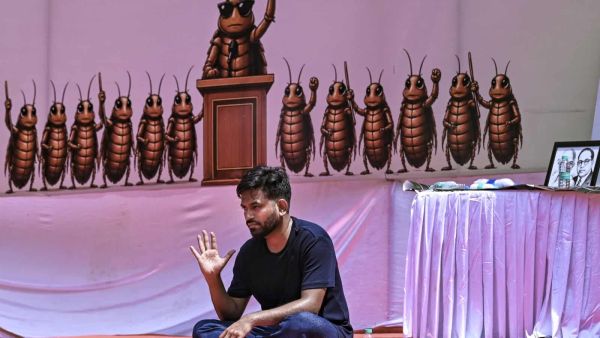
CJP continues protest for 2nd day even as food, water cut off