
Near Dhansa Bus Stand Metro Station in South West Delhi, a white marquee tent designated as a “cooling zone” was set up by the state government this summer. The facility is part of Delhi’s heatwave response, under which 14 cooling zones have been established in eight districts. In addition, 13 “mobile heat relief units” that distribute water, oral rehydration solution and other heat-relief supplies have been set up across the city.
For those able to reach them, these facilities offer something simple but critical: a reduction in the body’s heat burden. High temperatures, humidity and physical exertion can together dangerously overwhelm the body’s ability to cool itself. This could cause fatigue, dizziness and dehydration, and in severe cases, heat stroke.
Measurements in the Dhansa cooling zone around 2:30 pm on June 1 showed a clear contrast: outside, the air temperature was 38.9°C; inside it was 33.3°C. Globe temperature – a measure of radiant heat from surrounding surfaces – fell from 43.8°C outside to 34.3°C within.
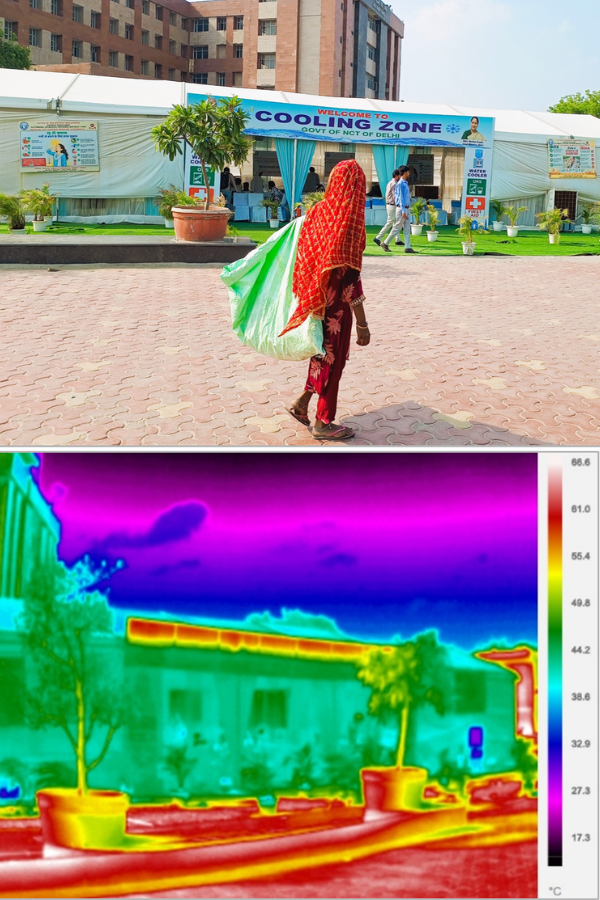
The Wet Bulb Globe Temperature, a measure of environmental heat stress that combines the effects of temperature, humidity, radiant heat and air movement on the human body, was 33.5°C outside and 29°C inside.
The World Health Organization and World Meteorological Organization classify...
Read more
-
Referee Confirmed for Tunisia vs Japan Clash

-
50 Runs In 11 Balls! Vaibhav Sooryavanshi Rewrites List A Record Books With Blistering Half-Century During IND A vs SL A Match
-
'This Is The Day You've Prepared For': NTA Extends Wishes As NEET-UG 2026 Re-Exam Set To Begin Under Tight Security | Video

-
'Lost The Charm': Samay Raina Seeking Alia Bhatt's Permission Before Joking About Mahesh Bhatt On India's Got Latent 2 Leaves Fans Divided

-
‘It feels different, I have more freedom’: Cody Gakpo rediscovers his form away from Liverpool struggles with a World Cup masterclass