There are many persuasive reasons to believe England could triumph at the 2026 World Cup. With Harry Kane leading the line, they boast one of the most lethal forwards in world football. Add to that Declan Rice, arguably the finest midfielder in the Premier League, and the tactical expertise of Thomas Tuchel, who has the ability to knit together some of Europe’s most gifted attacking players.
But the concern arises at the back. If there were ever an England team that appeared unbalanced—lethal up front but fragile in defence—this might be it. The attacking unit is razor-sharp and capable of tearing teams apart when in rhythm. Yet, defensively, there are uncertainties. Tuchel’s likely back four lacks tournament experience and, in some cases, durability.
Every side, of course, has its flaws, but England’s defensive frailties are more pronounced than those of many rivals—and it could be their undoing.
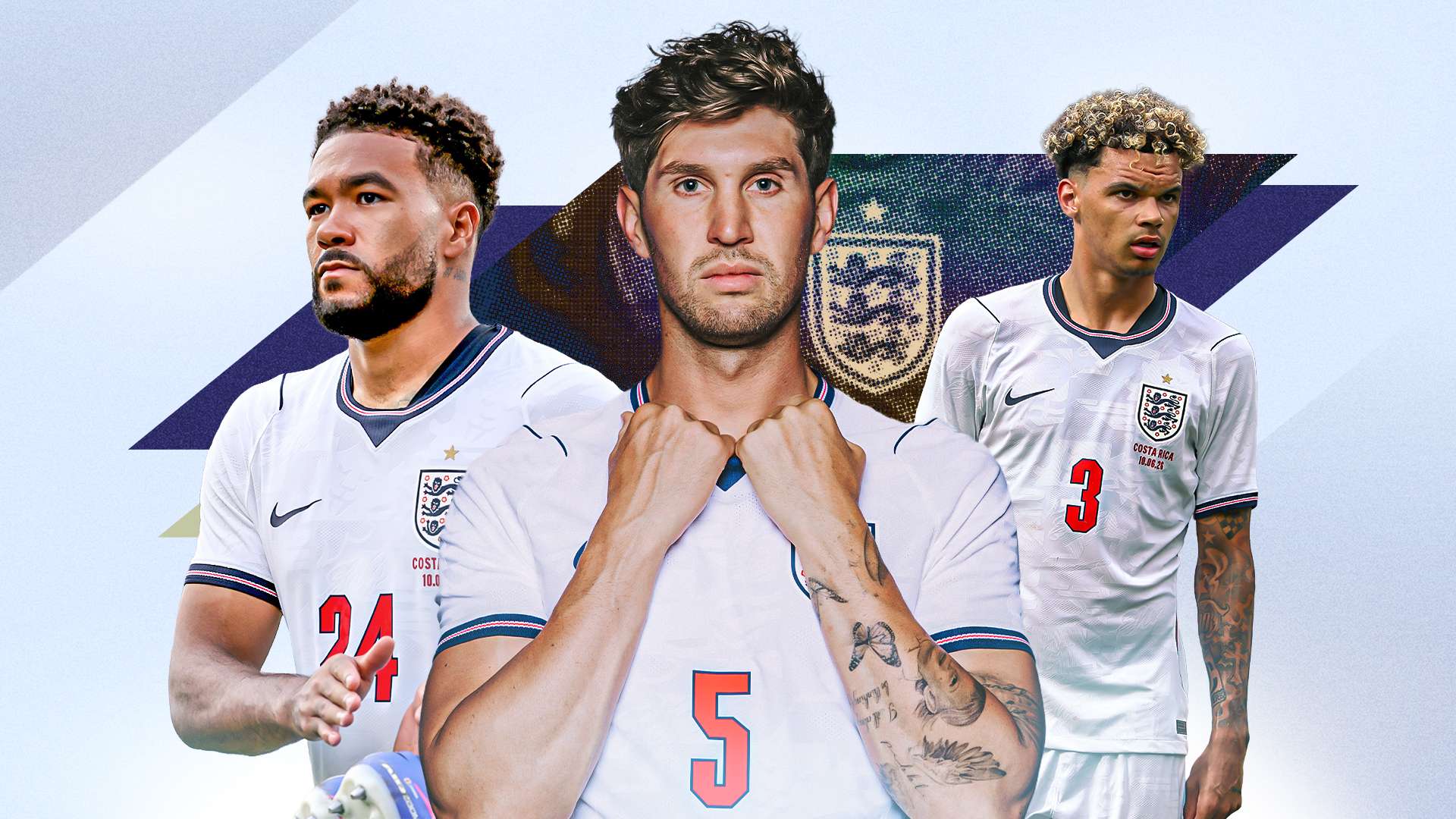
Tuchel’s challenge is finding equilibrium. Past England managers have often been criticised for being overly cautious, urged instead to unleash their attacking talent. However, a defence potentially comprising Reece James, John Stones, Ezri Konsa, and Nico O’Reilly doesn’t exactly scream tournament assurance—an issue if England’s frontline is to perform freely.
A mix of weary legs and inexperienced minds may ultimately block England from achieving the glory they crave this summer.
The first thing to note about England’s defence is that their most seasoned centre-back, John Stones, technically won’t have a club in a few weeks—but that’s far from their biggest worry.
The four defenders expected to start against Croatia on Wednesday collectively hold 136 caps, though Stones accounts for 89 of them. Between James, Konsa, and O’Reilly, there are only four tournament appearances—just two as starters.
In effect, it’s one veteran leader alongside three talented but relatively untested players. James remains England’s most complete right-back, Konsa excelled for Aston Villa during their European success, and O’Reilly has quickly become another Pep Guardiola success story.
However, history shows that experience, not flair, often defines tournament-winning defences. Italy’s Euro 2021 triumph was anchored by veteran duo Giorgio Chiellini and Leonardo Bonucci, both in their thirties. Argentina’s 2022 World Cup win leaned on Nicolas Otamendi, while Spain relied on experienced figures like Dani Carvajal and Aymeric Laporte.
This is why Stones’ presence is so vital. The soon-to-be former Manchester City defender has been England’s constant in major tournaments for nearly a decade, starting every such match since the 2018 World Cup. England have not played a single major knockout fixture without him since Euro 2016. Managers from Guardiola to Southgate to Tuchel have praised his composure and game-reading ability.
Yet, fitness remains a pressing concern. Stones made only 18 appearances for City last season and started just four matches in the Premier League and Champions League after November. Since the 2022-23 campaign, he has struggled to stay injury-free, suffering issues in his calf, thigh, hamstring, ankle, and hip. Over the past three years, nine separate injuries have kept him out for 72 games. At one point, he even admitted he considered retiring.
“It was a difficult period when I said that [about retiring] and I hope I don’t get to that again,” Stones told BBC Sport. “We can all compare ourselves to others and wonder why certain things happen, but I had to dig deep. I’m proud of staying mentally strong and coming back from setbacks to play at a high level again.”
Tuchel, for his part, has previously said match sharpness is key for Stones but also indicated that the defender’s understanding of the game compensates for limited minutes. “If you come to the World Cup, you should be fit,” Tuchel said in March. “When John came into camp, he was fit. He didn’t have a lot of minutes, but he has top-level game understanding. I know what he brings in terms of personality and attitude.”
James, meanwhile, faces his own fitness battles. Though he remains England’s best all-around full-back—combining defensive strength, passing range, and crossing ability—his availability has been an ongoing concern. His versatility under Tuchel at Chelsea in 2021-22, when he contributed nine assists from right-back, highlights their strong working relationship.
“I had an amazing time with the manager at Chelsea and I’m happy he’s the boss now,” James remarked earlier this week.
Remarkably, this will be James’ first World Cup. His only previous major tournament appearance came against Scotland in the Euro 2021 group stage. Persistent knee and hamstring issues have derailed his international prospects. Before Tuchel’s appointment in March 2025, James had managed only five minutes for England since September 2022. Although he featured 29 times for Chelsea last season—his highest tally since 2022—he still missed six weeks in spring due to a hamstring setback.
With Trent Alexander-Arnold omitted and both Kyle Walker and Kieran Trippier retired, the depth behind James—limited to Tino Livramento and Djed Spence—is thin. England will desperately hope his body holds up throughout the tournament.
On the left flank, a new era is beginning. During Euro 2024, England lacked a natural left-footed left-back while Luke Shaw recovered fitness, forcing Trippier to fill in awkwardly. The emergence of Nico O’Reilly, therefore, is a timely boost. Once an attacking midfielder in Manchester City’s academy, O’Reilly was converted by Guardiola into an inverted left-back, making 40 appearances there last season compared to just six in midfield. His transformation has been hailed as one of Guardiola’s final tactical triumphs at the Etihad.
Tuchel is equally impressed. “There’s no doubt Nico O’Reilly will be a top player,” he told the BBC. “He’s created a new role at left-back and has everything—body, skill, talent, and mindset. I’m not sure if he’ll stay in that position because he can play anywhere across midfield too.”
Still, O’Reilly’s lack of defensive experience raises questions. Accustomed to City’s dominance of possession, he hasn’t been tested often against elite wingers. His performance against Real Madrid’s Fede Valverde in the Champions League showed he still has much to learn.
At centre-back, Tuchel’s decision to omit Harry Maguire sparked controversy. Maguire revealed his exclusion before the official squad announcement, prompting criticism from his family. Despite an improved spell under Michael Carrick, Tuchel opted for alternatives like Marc Guehi and Ezri Konsa. Guehi, who started six of seven Euro 2024 games, was the expected partner for Stones, but Tuchel appears to favour Konsa, who started six of England’s eight qualifiers.
Although Konsa, 28, has only 20 caps and limited tournament experience, his pace and reading of the game complement Stones well. Yet, his inclusion still carries risk.
Ultimately, Tuchel’s rebuild was always going to involve risk. England’s defenders are talented but come with fitness or experience concerns. As a unit, they remain untested at this level. While England’s midfield and attack are world-class, and goalkeeper Jordan Pickford provides reliability, the defence remains the glaring question mark.
England will dominate possession and score freely, but when it matters most—against the world’s best—will their defence hold firm? Tuchel must hope his bold decisions pay off.
-
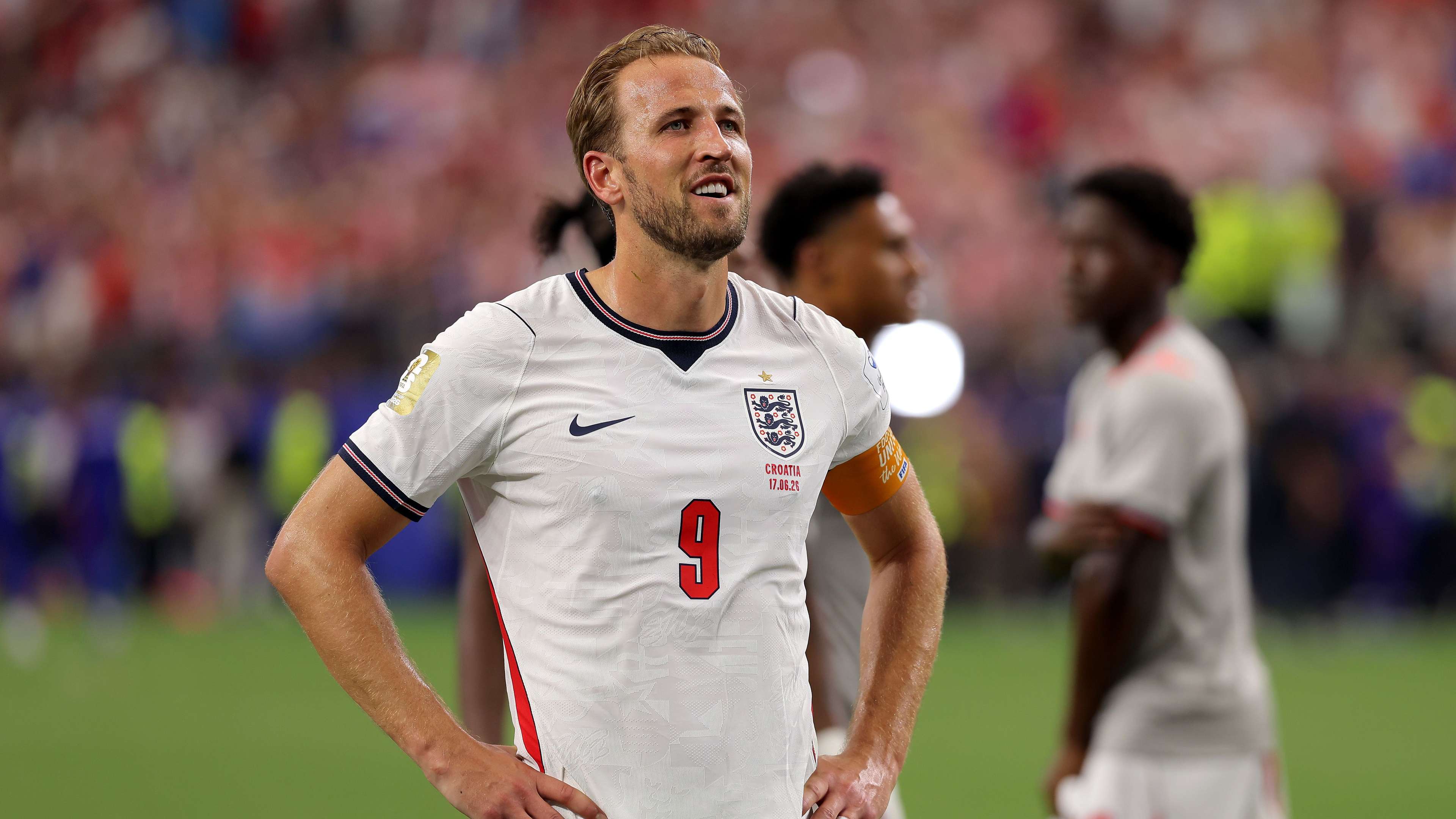
Dietmar Hamann questions Harry Kane’s record at major tournaments despite England captain’s double in World Cup triumph over Croatia
-
England player ratings against Costa Rica: Anthony Gordon shines as Three Lions cruise to 3-0 win in final World Cup warm-up

-
Financial Horoscope Today, June 19, 2026: Sagittarius Set for Major Gains, Find Out What Your Sign Indicates

-
Career Horoscope Today, June 19, 2026: Capricorn Should Follow Rules, Know the Status of Other Signs

-
Nathan De Cat transfer battle intensifies as Manchester United join race with German powerhouses