Fans now have a fresh way to enjoy the World Cup, but the real question is — who exactly is this new experience designed for?
The BBC has come under scrutiny from some quarters for its choice not to establish a studio in North America at the beginning of the World Cup.
Instead, the broadcaster will start its coverage from Salford, though reports suggest that its top presenters and pundits will fly out later in the tournament, especially if England or Scotland progress to the knockout stages.
This isn’t the only innovation in the BBC’s 2026 coverage. The network has also introduced the World Cup 2026 3D Experience, a feature that lets fans watch matches in an entirely different way. I gave it a try — here’s how it went.
The feature can be accessed easily on the BBC Sport website. Beneath the live match score, viewers will find an option reading ‘Experience this match in 3D’, which takes you straight into the action.
I joined the broadcast for the second half of Iraq’s Group I encounter with Norway, not quite sure what to expect — and not only because neither side has featured at a World Cup in the 21st century.
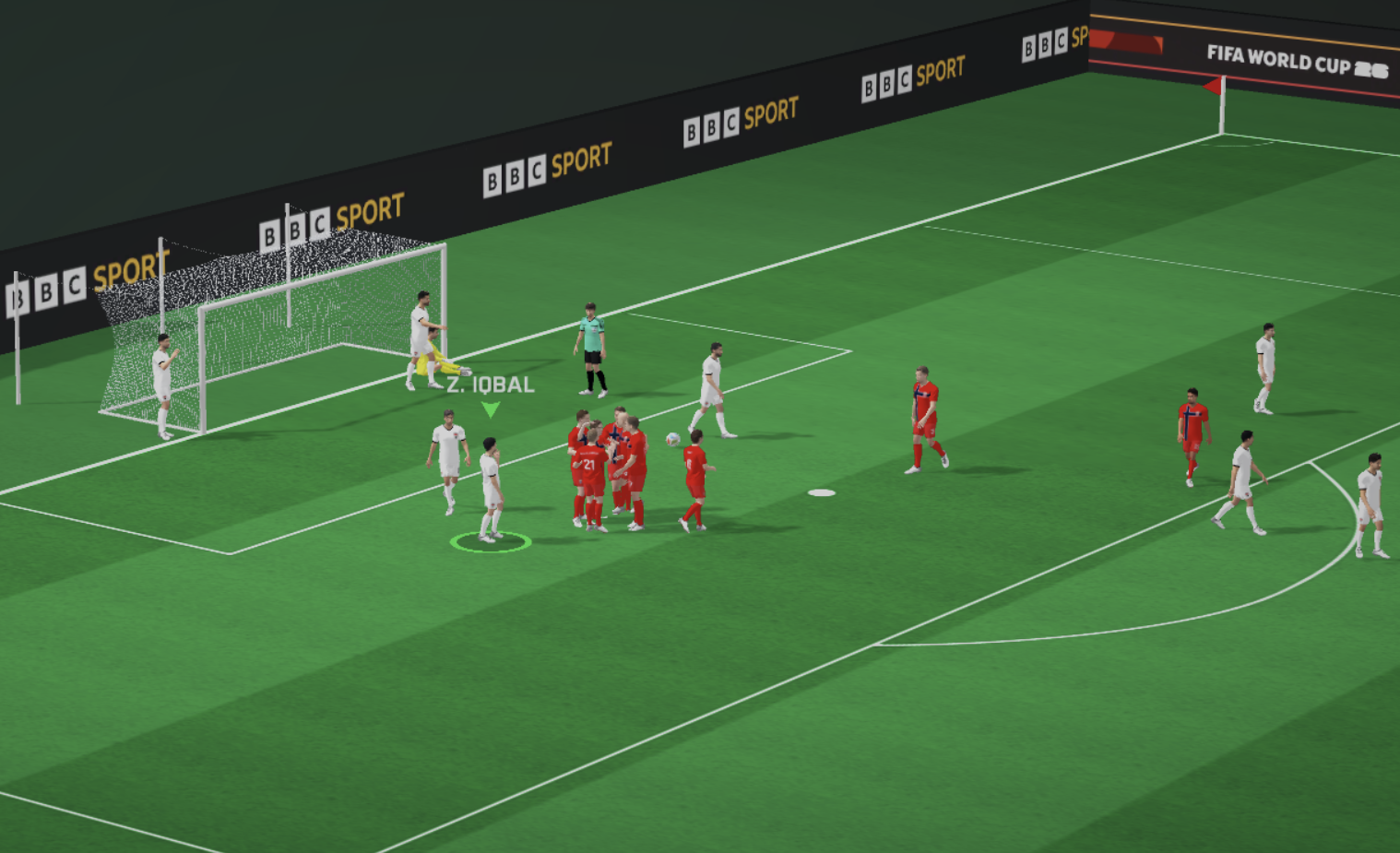
Upon entering the 3D view, I was met with visuals reminiscent of mobile football games, where player identification depends solely on kit colours rather than faces or names.
In its default ‘broadcast’ angle — which mirrors what you’d see on television — the match displayed 22 faceless avatars, differentiated only by minor hairstyle variations. Even Erling Haaland’s signature flowing hair was nowhere to be found.
To its credit, player movement is impressively smooth and realistic, certainly more lifelike than many video games with similar aesthetics. However, the illusion faltered slightly during the second-half hydration break, when players began vanishing and reappearing a few yards apart — likely due to crowding near the sidelines.
Beyond the standard broadcast angle, users can switch to a ‘tactical’ mode offering a bird’s-eye view of the pitch, complete with lines displaying distances between players. This mode is particularly helpful for analysing team formations and spacing.
Still, the most intriguing options are the ‘third person’ and ‘first person’ views. These allow you to select any player and follow the match from directly behind them (third person) or through their eyes (first person), creating a pitch-level perspective.
While it doesn’t quite replicate the impact of a real ‘Ref Cam’ that features live footage, it still provides a sense of match tempo and field-level intensity.
In the top right corner, a statistics icon offers another layer of insight. Users can toggle between data sets such as final-third entries, line breaks, and shot maps for each half or the entire game. Though casual fans may find this overwhelming, data enthusiasts will likely be fascinated.
Ultimately, the BBC’s World Cup 3D Experience seems best suited to viewers who love analysing tactics and statistics. For those fans, it offers hours of immersive exploration. But if you prefer the drama and emotion of real-life football, you might find yourself returning to the traditional broadcast before long.
-
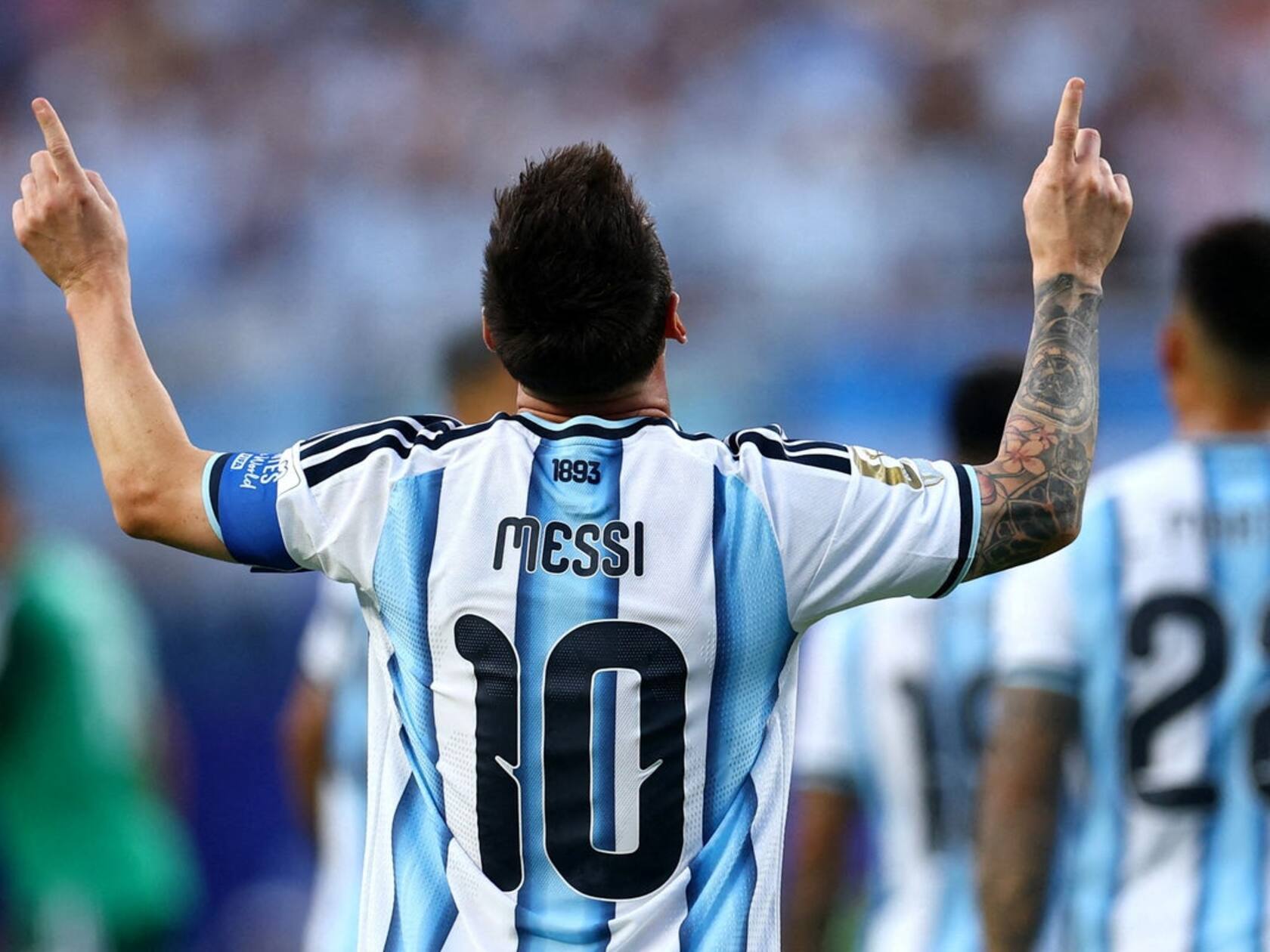
Lionel Messi reveals the emotional reason behind tears during World Cup hat-trick
-
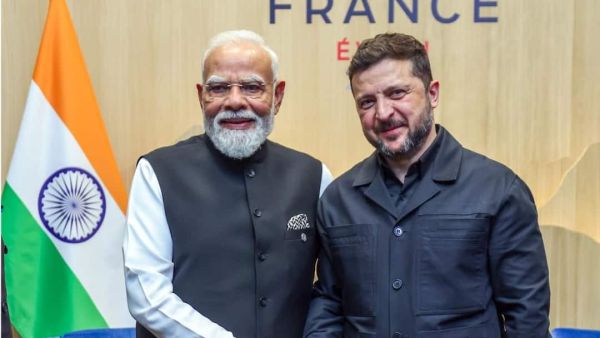
PM Modi Holds Bilateral Talks With Zelenskyy At G7 Summit In France
-
Is William Saliba Fit? Latest Injury Update on France Defender Ahead of World Cup Clash

-
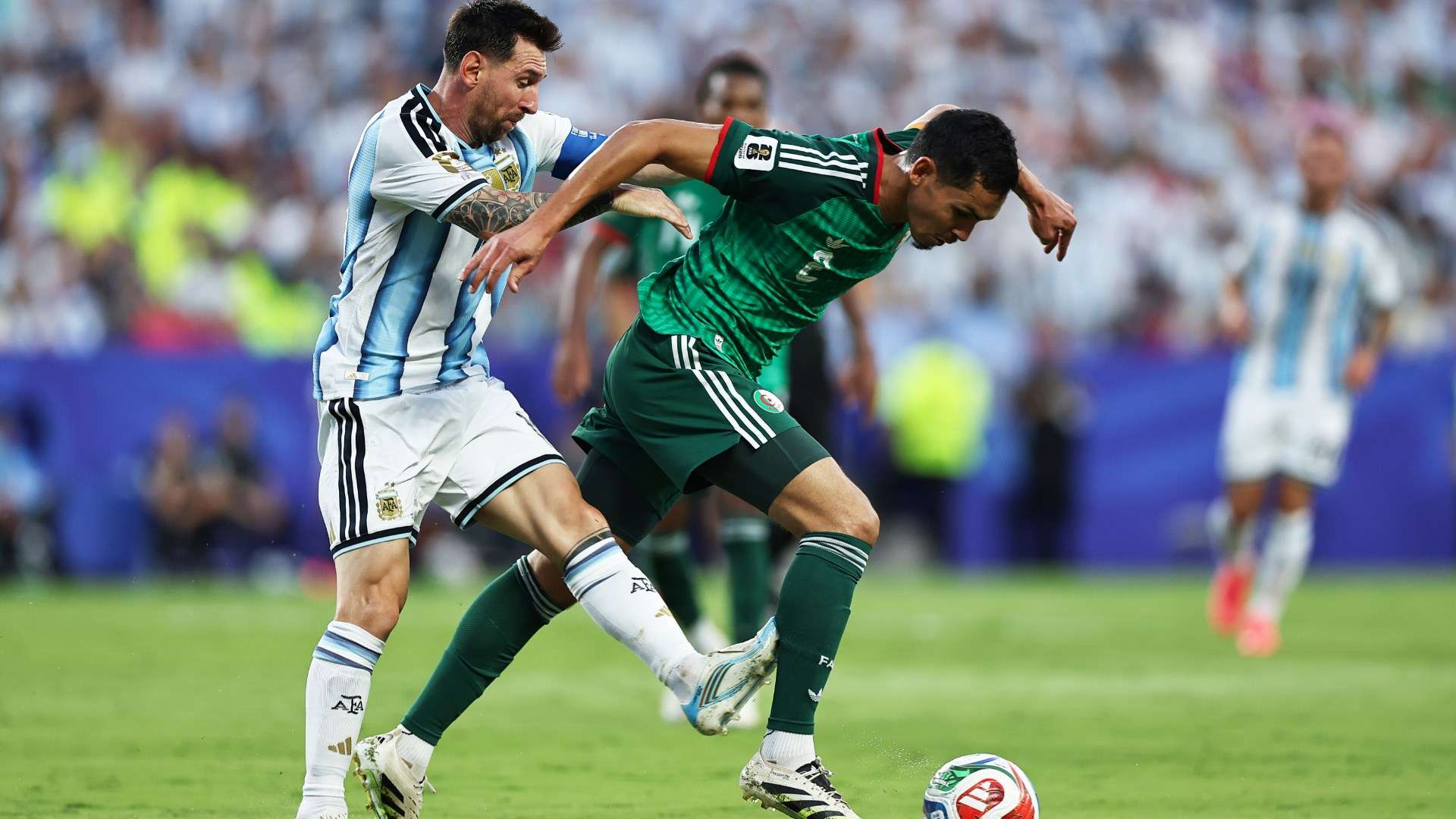
Did Lionel Messi Receive Preferential Treatment? Argentina’s Hat-Trick Star Avoids '100% Red Card' After 'Clumsy' Challenge in World Cup Win Over Algeria
-
IND W vs NED W: Netherlands Pacer Myrthe van den Raad Bowls 6 Wides To Smriti Mandhana In Her First Over