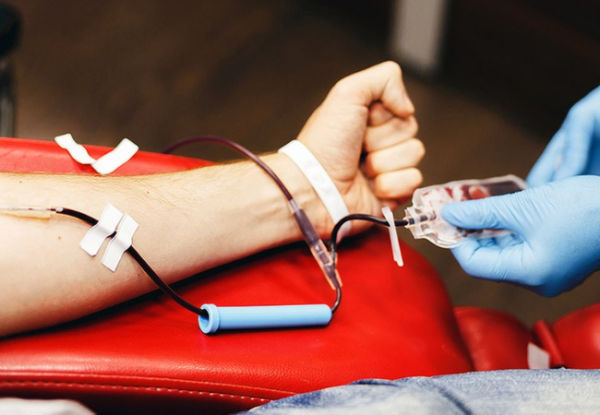
New Delhi. Blood donation is considered a great donation. This donation of yours can save someone’s life. Experts said that regular and safe blood donation is beneficial for the health of the donor in many ways. Every day in India, about 12,000 patients die due to not getting blood on time. There is a huge difference between the demand and supply of blood donation in the country. This is the reason why people have been appealed from time to time to donate blood.
Read :- Fungal infections: Take care of your skin in the rain, there may be a risk of fungal infection.
People often have many questions in their minds regarding blood donation. Does donating blood make the body weak? Who can donate blood and who cannot? After how many days can blood be donated?
‘World Blood Donor Day’ is celebrated every year on 14 June to give people correct answers to these questions, to increase awareness about safe blood donation and to thank those who donate blood without volunteering. Let us know some important things regarding blood donation.
Health experts say, donating blood is not only a way to save someone’s life, but can also be a beneficial habit for your health. Often people think that donating blood makes the body weak, but the truth is that donating blood at regular intervals is considered safe for a healthy person. After blood donation, the body starts producing new blood cells within a few weeks, due to which blood circulation and many body processes remain active. This is the reason why millions of people around the world donate blood voluntarily.
After how many days can one donate blood?
Read :- FSSAI issued notice to KFC, Flipkart India and Nestle, insects found in Maggi packets, orders given to remove them from the batch market.
Health experts say, generally healthy men and women in India can donate blood at an interval of every 3 months (90 days). Blood cannot be donated every day or every month. There is a set time limit and health standards for donating blood. The hemoglobin, weight and health of the blood donor should be normal.
Know these things also
Health experts say, once blood donation is made, the body needs time to replace the lost red blood cells and iron. In a one-time donation, 1 unit (350-450 ml) of blood is taken from a person.
Generally 90 days is considered sufficient time to complete the deficiency of blood cells and iron. After this donation can be done again. The age of the person donating blood should be between 18 to 65 years and weight should be at least 45-50 kg. The donor should not have diabetes, HIV or any infectious disease.
What are the benefits of blood donation?
Read :- Tonsil Stones: Not only kidney and gallbladder, there can be stones in your throat also, how to identify it?
Regular blood donation has been shown to be beneficial in many ways in studies. Regular blood donation can help in reducing blood viscosity. This can reduce extra pressure on the heart.
Every blood donor undergoes several important health checks before donating blood. These include checking hemoglobin level, blood pressure, body temperature and pulse. This may give the person early indications of some hidden health problem. The biggest advantage of donating blood is that it can save the life of a needy person. Many studies have found that helping others increases mental satisfaction and develops positive emotions.
-
Dropped By RCB Amid Sexual Exploitation Allegations, Cricketer Set For Comeback

-
Under-Construction Shed Collapses In Kolkata's Taratala, 23 Workers Feared Trapped

-
Will Weather Disrupt England vs Ghana as Storms Loom Over Boston?

-
Didier Deschamps to miss France’s crucial Group I clash against Norway at 2026 World Cup after death of his mother

-
ADULATION 2026 To Honour SSC Toppers, Academic Achievers In Mira Road Today