Rain arrives differently in the Northeast . It does not simply fall and pass through. It settles into valleys, gathers around mountain ridges and hangs quietly above forests for days at a time. Roads become greener, rivers swell, and entire landscapes seem to shift tone. While many travellers avoid the region during the wet season, some places are arguably at their most interesting when the clouds move in.
The Northeast has never been short of famous attractions, yet beyond the familiar names lie destinations where monsoon weather becomes part of the experience rather than an inconvenience. Ancient carvings emerge from rain-washed stone, remote villages disappear behind drifting mist, and mountain trails lead through stretches of woodland that seem untouched by time.
From Arunachal Pradesh to Tripura and Mizoram, these six destinations offer a different side of monsoon travel.
6 offbeat destinations in Northeast India that are perfect for monsoon travel
1. Mechuka, Arunachal Pradesh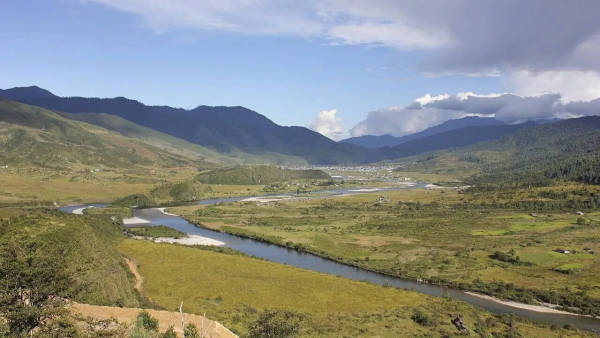
Near the border with China, Mechuka sits in a broad valley surrounded by mountains that rarely reveal themselves completely during the rainy season. The landscape changes by the hour. One moment, the slopes are visible, the next they are hidden behind low clouds rolling across the valley floor.
The settlement remains quieter than many of Arunachal Pradesh's better-known destinations. Wooden homes, grazing fields and Buddhist monasteries are scattered across the area, giving visitors reasons to slow down rather than rush between attractions. Rain-fed streams cut through the countryside, while waterfalls appear in places that remain dry for much of the year.
Monsoon mornings can be particularly striking. The Siyom River moves through a curtain of mist, and distant hills emerge gradually as the weather shifts. Even short walks around the valley often feel rewarding, largely because the scenery rarely stays the same for long.
2. Ziro Valley , Arunachal Pradesh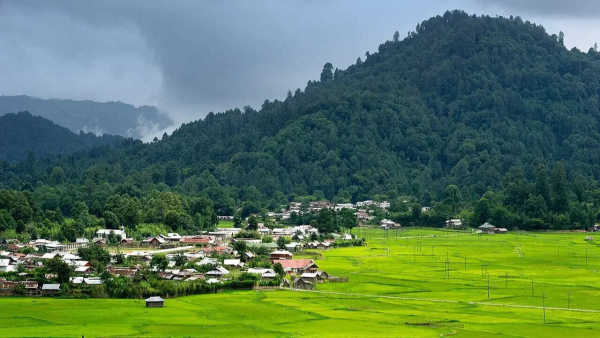
The arrival of rain transforms Ziro into a patchwork of reflective fields. Water gathers across the valley's famous terraces, turning large sections of farmland into mirrors that reflect passing clouds and surrounding pine-covered slopes.
Home to the Apatani community, Ziro combines cultural heritage with a landscape shaped by generations of agricultural practice. Villages remain closely connected to the valley's farming traditions, and the monsoon season provides a glimpse into the agricultural cycle that defines much of daily life here.
Unlike destinations that rely on dramatic peaks or adventure tourism, Ziro's appeal is quieter. Narrow roads wind through villages, streams run alongside fields, and forests take on deeper shades of green. The rain tends to soften the entire landscape, giving the valley a calm atmosphere that is difficult to find elsewhere.
3. Unakoti, Tripura
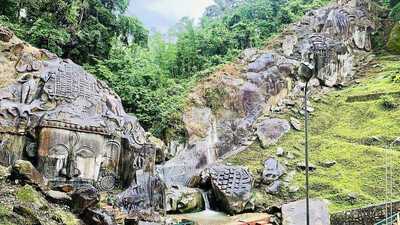
The stone carvings of Unakoti seem almost designed for wet weather. Hidden among forested hills in northern Tripura, the site is known for its enormous rock-cut figures and sculpted panels that have stood for centuries.
During the monsoon, water trickles down the stone surfaces, and the surrounding vegetation thickens considerably. Moss, ferns and creeping plants spread across parts of the complex, creating an environment where nature and archaeology appear closely intertwined.
Visitors often arrive expecting a historical site and leave remembering the setting just as much as the carvings themselves. The forest grows dense after weeks of rainfall , and the sound of flowing water accompanies much of the walk through the area. The result is a place that feels removed from modern life despite its cultural significance.
4. Phawngpui, Mizoram
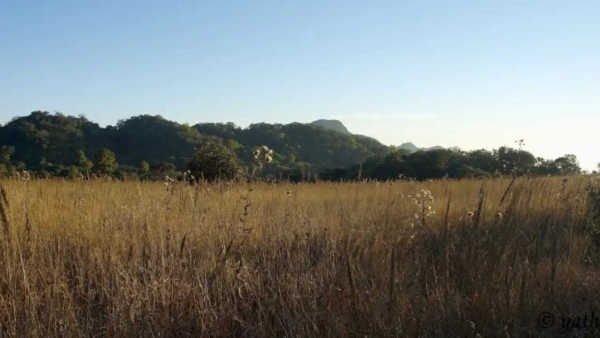
Known locally as the Blue Mountain, Phawngpui rises above much of Mizoram's southern landscape. During the monsoon months, clouds frequently drift across its ridges, sometimes reducing visibility to a few metres before suddenly revealing cliffs and distant valleys.
The mountain forms part of a protected national park known for its rich plant life and bird species. Rain encourages fresh growth across the slopes, while flowering plants add bursts of colour against the dominant greens of the season.
Conditions can change quickly here. A clear patch of sky may last only a short while before another bank of cloud moves through. For many visitors, that unpredictability becomes part of the attraction. The mountain rarely presents the same view twice.
5. Mon, Nagaland
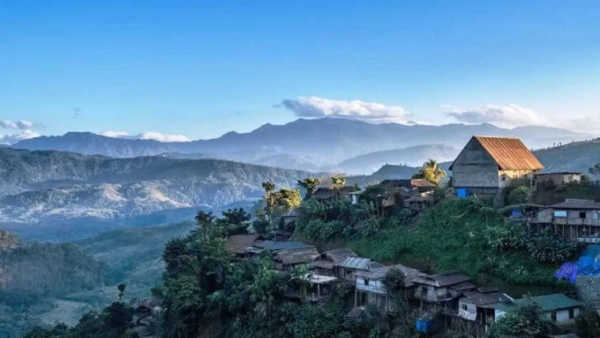
Far from the more visited parts of Nagaland, Mon offers a glimpse into the traditions of the Konyak community. Villages are spread across hilly terrain close to the India-Myanmar border, where roads often wind through forests and ridgelines shaped by heavy rainfall.
The monsoon gives the region a distinctly atmospheric character. Clouds gather in the valleys below while surrounding hills disappear and reappear throughout the day. Life in the villages continues much as it always has, creating opportunities to observe local customs, architecture and craftsmanship without the pace often associated with larger tourist centres.
Longwa, among the best-known villages in the district, attracts visitors because of its unusual location along the international border. Yet many travellers find that simply spending time in the wider region proves equally memorable. The scenery, particularly after rain, tends to leave a lasting impression.
6. Falkawn and the hills around Aizawl, Mizoram
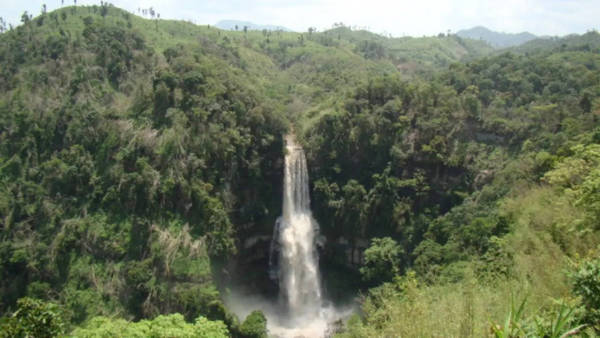
A short drive from Aizawl, Falkawn offers a different perspective on Mizoram's cultural landscape. The village preserves elements of traditional Mizo life and provides a quieter setting than the state capital.
Monsoon weather enhances the surrounding countryside. Hills become layered in mist, and the roads leading into the village pass through stretches of dense greenery. Rainfall is frequent, but it rarely feels disruptive. Instead, it becomes part of the atmosphere, shaping everything from the scenery to the pace of daily life.
Visitors interested in local traditions often use Falkawn as a starting point for understanding the region's history and cultural practices. Combined with the dramatic terrain around Aizawl, it provides an experience that balances heritage with natural beauty.
-
‘Never in command’ – Casemiro and Gabriel criticised for poor performances in Brazil’s World Cup draw against Morocco

-
Cristiano Ronaldo and Portugal team wear tribute wristbands honouring Diogo Jota ahead of World Cup opener

-
Nita Ambani’s Banarasi saree made in 90 days in discussion, know the specialty of Kadva weaving

-
YouTube’s biggest record broken, MrBeast reaches 50 crore subscribers

-
IND W Vs PAK W: Deepti’s ‘claw’, India beats Pakistan by 64 runs; This ‘special’ record was made for the first time in women’s WC – 10 big things