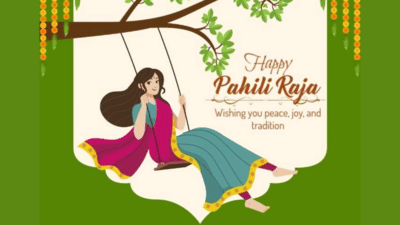
New Delhi: Odisha’s Raja Parba is one of India’s most distinctive festivals because it blends the joy of the monsoon with deep respect for womanhood and Mother Earth. In 2026, the celebration begins with Pahili Raja on June 13, 2026 and continues through the following days till June 16, 2026 as families, especially in Odia households, observe rituals, prepare traditional food, enjoy swings, and pause agricultural work to honour the earth’s resting phase. The festival is rooted in the belief that Mother Earth, or Bhudevi, undergoes a symbolic menstrual cycle, making Raja Parba both a cultural and spiritual expression of fertility, renewal and gratitude.
What makes Pahili Raja especially interesting is that it is not just a religious observance, but also a social and seasonal marker that welcomes the rains after the heat of summer. The first day sets the tone for the festival with new clothes, alata on the feet, swing traditions and festive food, while the following days bring rituals, rest and community celebration.
What is Pahili RajaPahili Raja is the first day of Raja Parba and is widely seen as the opening of Odisha’s most cherished monsoon festival. It marks the start of the celebrations that honour Mother Earth, womanhood and fertility, while also giving girls and women a special place in the festivities. According to festival reports, this day is associated with fun, rest and traditional expressions of joy, including swings, songs and festive dressing.
The word “Raja” is linked to the idea of menstruation, and the festival symbolically treats the earth as a woman who is resting during this period. This belief gives Pahili Raja its deeper meaning: it is not only a celebration of monsoon and agriculture, but also a cultural acknowledgement of feminine power and natural cycles. In many homes, girls are treated with care, given time away from chores and encouraged to enjoy the festival atmosphere.
-
Sajabaja: The preparation day before the main festival.
-
Pahili Raja: The first day of celebration.
-
Mithuna Sankranti / Raja Sankranti: The second and most important day, linked with the Sun entering Mithuna.
-
Basi Raja / Bhu Daha: The third day, often treated as the final day of rest and celebration.
-
Basumati Snana: The concluding ritual, where Mother Earth is symbolically bathed through the grinding stone.
Raja Parba is closely connected to the arrival of the monsoon and the agricultural rhythm of Odisha. During the festival, farming and cultivation are paused so that Mother Earth is given rest, mirroring the symbolic idea of menstruation and renewal. This makes the festival especially meaningful in rural and agrarian communities, where the land is central to daily life and survival.
The festival also celebrates womanhood in a way that is both cultural and symbolic. Women and girls are given a break from household labour, and the atmosphere is designed around their comfort, enjoyment and dignity. In that sense, Raja Parba is often described as a festival that quietly challenges menstrual stigma by connecting the natural cycle of the earth with the lived experience of women.
Raja Parba main rituals and customsOne of the most important pre-festival customs is Sajabaja, when homes are cleaned and traditional food is prepared in advance. During the festival itself, cooking is limited or restricted in some households, so festive dishes such as Poda Pitha are made beforehand. This preparation is part of the excitement, as families stock up on ingredients and get ready for days of celebration.
On Pahili Raja, girls wear traditional clothes, apply alata to their feet and enjoy swings set up on trees or in community spaces. Singing, laughter and local games are central to the mood, making the festival feel vibrant and communal. On Mithuna Sankranti, the sun enters the Mithuna month of the solar calendar, which adds an astrological and seasonal layer to the celebration.
The final ritual, Basumati Snana, is one of the most meaningful parts of the festival. In this ceremony, the grinding stone is treated as a symbol of Mother Earth and bathed with turmeric, flowers and water. This act represents purification, gratitude and reverence for the earth before the agricultural cycle begins again.
Swings are another signature feature of the festival. Traditionally tied to trees such as mango or tamarind, they become a symbol of carefree joy during the monsoon season. Folk songs, community games and relaxed social time turn Raja Parba into a festival of warmth, play and belonging rather than strict religious formality.
In modern conversations, Raja Parba is often seen as more than a seasonal festival. It is also a reminder that women’s bodies and natural cycles deserve respect rather than shame. That is why the festival continues to resonate with younger audiences, cultural observers and those interested in India’s more nuanced traditions.
At the same time, the festival preserves a strong connection with Odisha’s land, food and identity. The blending of earth worship, seasonal change, family customs and celebration of girls makes Raja Parba uniquely rooted in local culture. For anyone researching Pahili Raja in Odisha 2026, it is this combination of symbolism and lived tradition that makes the festival stand out.
Pahili Raja 2026 opens the door to one of Odisha’s most meaningful festivals, where monsoon, womanhood and Mother Earth come together in a joyful and symbolic celebration. From swings and songs to Poda Pitha and Basumati Snana, Raja Parba remains a beautiful example of how tradition can honour both nature and people.
-
Hair turning gray at an early age? Is there any deficiency of these vitamins and minerals, know the reason

-
NDTV Food Awards Are All About Cutting Social Media Clutter And Finding Real Heroes

-
Are you bored with everyday vegetables? Try easy Boondi Kadhi recipe, you will get great taste
-
What does Lionel Messi eat before a match? footballer lionel messi diet workout and fitness secret

-
MrBeast got a special reward after crossing 500 million subscribers, YouTube CEO shared the post on social media