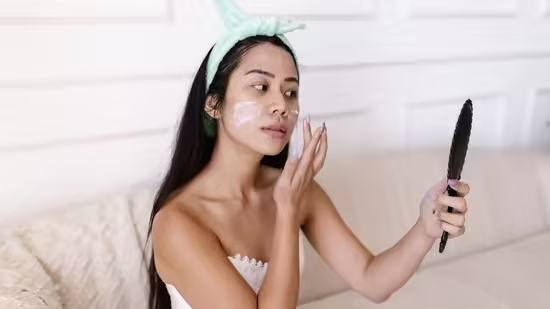
Homemade skincare remedies have been popular for generations. From turmeric face packs and aloe vera gels to lemon-based treatments, many people turn to kitchen ingredients in the hope of achieving glowing skin naturally. Social media has only increased the popularity of DIY beauty hacks, with countless videos promising quick solutions for acne, pigmentation, tanning, and dull skin.
However, skincare experts warn that “natural” does not automatically mean “safe.” While some ingredients may offer benefits, others can irritate the skin, damage its protective barrier, and even worsen existing skin concerns.
Why DIY Skincare Can Be Risky
Many homemade skincare remedies are created without scientific testing, quality control, or safety assessments. Unlike professionally formulated skincare products, DIY mixtures often contain ingredients in concentrations that may be too harsh for the skin.
The skin has a natural protective barrier that helps retain moisture and defend against bacteria, pollution, and environmental stressors. Certain DIY ingredients can disrupt this barrier, leading to irritation and sensitivity.
Common Ingredients That May Harm Your Skin
Lemon Juice
Lemon juice is often promoted as a natural remedy for dark spots and pigmentation. However, its high acidity can disturb the skin’s pH balance, causing redness, dryness, irritation, and increased sensitivity to sunlight.
Baking Soda
Although frequently used in DIY face masks, baking soda is highly alkaline and can strip the skin of its natural oils. This may weaken the skin barrier and trigger irritation.
Toothpaste
Applying toothpaste directly to pimples is a common beauty myth. While it may temporarily dry out a blemish, it can also cause burning, redness, and excessive dryness.
Essential Oils
Undiluted essential oils can be extremely irritating for sensitive skin. Some people may experience allergic reactions, redness, or inflammation after direct application.
Even Natural Ingredients Can Trigger Allergies
Many people assume that plant-based ingredients are completely safe. However, natural substances can still cause allergic reactions.
Ingredients such as:
- Cinnamon
- Garlic
- Neem
- Aloe vera
- Certain herbal extracts
may trigger itching, burning, rashes, swelling, or inflammation in some individuals.
The Risk of Hyperpigmentation
One major concern, especially for people with Indian and darker skin tones, is post-inflammatory hyperpigmentation (PIH).
When the skin becomes irritated or inflamed due to harsh DIY treatments, it may respond by producing excess pigment. This can leave behind dark patches that may take months to fade.
Ironically, a remedy intended to reduce pigmentation can sometimes make it worse.
Hygiene Matters Too
Another overlooked issue is hygiene.
Homemade skincare products are not manufactured in sterile environments. Poor storage conditions and improper handling can allow bacteria, fungi, and other microorganisms to grow.
Applying contaminated mixtures to the skin can increase the risk of breakouts, infections, and skin irritation.
Safer Ways to Care for Your Skin
Instead of experimenting with untested remedies, consider these safer alternatives:
- Choose dermatologist-tested skincare products.
- Always patch-test new products before applying them to your face.
- Use sunscreen daily to prevent pigmentation and skin damage.
- Stay hydrated and maintain a balanced diet.
- Consult a skincare professional for persistent concerns such as acne, pigmentation, or sensitivity.
The Bottom Line
DIY skincare may seem harmless, affordable, and natural, but not every home remedy is suitable for your skin. What works for one person may cause irritation or allergic reactions in another.
Before trying viral beauty hacks or kitchen-ingredient face masks, remember that healthy skin depends on maintaining a strong skin barrier and using products that are safe, tested, and appropriate for your skin type. When in doubt, seeking professional advice is always the best option.
-
What happened when Rakul and Jackky entered an AI car?

-
ABP LIVE Doc Talk | Can Super El Niño Heat Waves Damage Your Lungs? Experts Warn of Rising Respiratory Risks

-
Tarun Bhartiya's 'Em No Nahi' photobook shows deep political, emotional engagement with Khasi Hills

-
At Vizag plant where nine died, workers highlight production pressure, safety hazards

-
Scotland hang on for first Fifa World Cup win since 1990 with 1-0 victory over Haiti