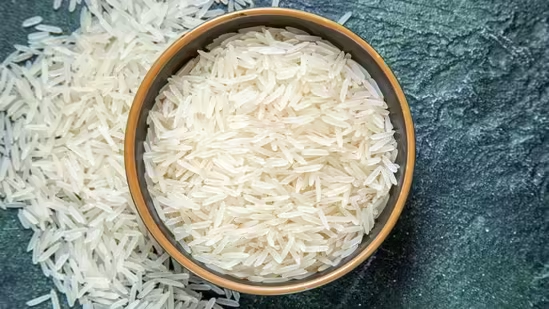
Rice is one of the most widely consumed foods in the world and a staple in millions of households. Whether served with curries, vegetables, or proteins, it forms an essential part of daily meals for many people. However, health experts have increasingly raised concerns about the presence of arsenic, a naturally occurring toxic element that can accumulate in rice during cultivation.
While the levels found in rice vary depending on where it is grown, studies have shown that rice can contain higher concentrations of arsenic than many other grains because the crop is typically grown in flooded fields, where arsenic present in soil and water is more easily absorbed.
Why Is Arsenic a Concern?
Long-term exposure to high levels of arsenic has been associated with several health concerns, including cardiovascular problems, metabolic disorders, and an increased risk of certain cancers. Although occasional rice consumption is generally not considered dangerous, people who eat rice regularly may benefit from cooking methods that help reduce arsenic content.
A Cooking Method That May Help Reduce Arsenic
One technique that has gained attention is known as the parboiling and absorption method. Research suggests that this cooking process can significantly lower arsenic levels compared to traditional cooking methods.
Step 1: Rinse the Rice
Before cooking, rinse the rice thoroughly under clean water several times. This helps remove surface starch and may eliminate a small portion of the arsenic.
Step 2: Parboil the Rice
Bring four cups of water to a boil for every one cup of rice.
Add the rinsed rice to the boiling water and allow it to cook for approximately four to five minutes.
This initial boiling stage helps draw some of the arsenic out of the rice and into the water.
Step 3: Drain and Rinse
After the brief boil, drain the water completely and rinse the rice once more.
Step 4: Cook Normally
Return the rice to the pot and add two cups of fresh water for every cup of rice.
Cover and cook until the water is absorbed and the rice is fully cooked.
Two Bonus Tips for Healthier Rice
Add a Small Amount of Healthy Fat
Adding a teaspoon of coconut oil while cooking may alter the starch structure of the rice. Some research suggests this can increase the amount of resistant starch, a type of carbohydrate that behaves more like fiber in the digestive system.
Cool the Rice Before Eating
Allowing cooked rice to cool in the refrigerator for several hours can further increase resistant starch levels.
Resistant starch may offer several potential benefits, including:
- Improved gut health
- Better blood sugar management
- Increased feelings of fullness
- Support for beneficial gut bacteria
The rice can be eaten cold or gently reheated before serving.
A Balanced Perspective
While reducing arsenic exposure is a sensible goal, it is important not to panic. Rice remains an important source of energy and nutrients for billions of people worldwide. Health experts generally recommend maintaining a varied diet that includes different whole grains such as oats, barley, quinoa, and millet alongside rice.
People who consume rice frequently, especially young children and those with high rice intake, may benefit most from adopting cooking methods that help lower arsenic content.
The Bottom Line
Rice can naturally contain small amounts of arsenic, but simple preparation techniques may help reduce exposure significantly. Thorough rinsing, parboiling, and cooking with fresh water are easy steps that can make rice a healthier addition to your diet. Combined with a balanced eating pattern, these small changes can support long-term health without requiring you to give up one of the world’s favorite foods.
-
What happened when Rakul and Jackky entered an AI car?

-
ABP LIVE Doc Talk | Can Super El Niño Heat Waves Damage Your Lungs? Experts Warn of Rising Respiratory Risks

-
Tarun Bhartiya's 'Em No Nahi' photobook shows deep political, emotional engagement with Khasi Hills

-
At Vizag plant where nine died, workers highlight production pressure, safety hazards

-
Scotland hang on for first Fifa World Cup win since 1990 with 1-0 victory over Haiti