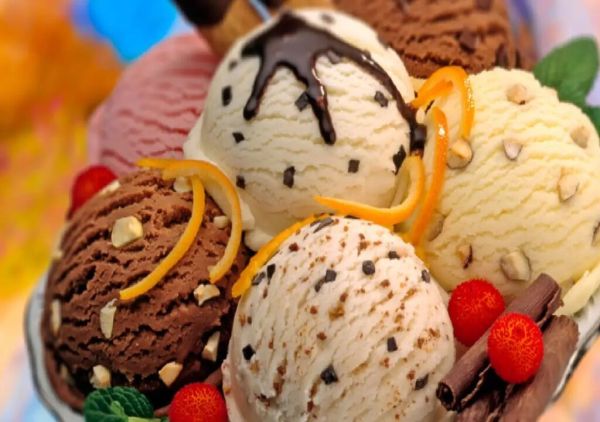
Mumbai: Frozen desserts have long been a popular choice among Indian consumers, often marketed as affordable alternatives to traditional ice cream. However, growing concerns among nutrition experts regarding their ingredients and nutritional profile have brought these products under increased scrutiny. Health specialists warn that frequent consumption of frozen desserts, which are often made using vegetable fats, added sugars and artificial additives, may contribute to several long-term health issues.
The discussion has gained renewed attention following the decision by dairy brand Kwality to gradually transition towards dairy-based products and move away from frozen desserts by next year. Industry observers say the move reflects a broader shift towards products perceived as more natural and nutritionally beneficial.
What makes frozen desserts different?
Unlike conventional ice cream, which is typically made using milk fat, many frozen desserts rely on vegetable oils and fat blends as their primary fat source.
Food manufacturers often use these ingredients because they are more economical and help create products at lower price points. While such products may resemble ice cream in appearance and texture, their nutritional composition can differ significantly.
Health experts note that many frozen desserts also contain higher quantities of added sugar, flavour enhancers, emulsifiers, colours and preservatives to replicate the taste and mouthfeel associated with dairy-based products.
As consumers become more conscious about ingredients and food quality, questions are increasingly being raised about the long-term effects of consuming highly processed frozen treats on a regular basis.
High sugar content raises health concerns
One of the primary concerns highlighted by nutritionists is the high sugar content found in many frozen desserts.
According to health experts, excessive sugar consumption is associated with a range of medical conditions, including obesity, insulin resistance and Type 2 diabetes. High sugar intake can also contribute to fatty liver disease, chronic inflammation and metabolic disorders.
Dietitians caution that individuals who frequently consume sugary processed foods may face an increased risk of developing lifestyle- illnesses over time.
Since frozen desserts are often marketed as convenient indulgences, consumers may underestimate the amount of sugar present in a single serving.
Concerns over processed fats and additives
Experts also point to the use of vegetable fats and highly processed oil blends in many frozen dessert products.
While vegetable oils themselves are not inherently unhealthy, the nutritional quality depends on the type of oil used and the degree of processing involved. Some processed fat blends may not provide the same nutritional value associated with milk fat and dairy ingredients.
Additionally, frozen desserts often contain artificial flavours, stabilisers, emulsifiers and colouring agents designed to enhance taste, texture and shelf life.
Growing consumer demand for cleaner ingredient labels has encouraged many food companies to reassess formulations and explore alternatives that contain fewer artificial ingredients.
Possible impact on gut and metabolic health
Health professionals warn that regular consumption of highly processed foods may negatively affect digestive and metabolic health.
Some studies have suggested that diets rich in processed foods and additives can contribute to bloating, digestive discomfort and alterations in gut health. Experts also link excessive intake of sugary and highly processed products with metabolic imbalances and weight- health concerns.
According to dietitians, frozen desserts should be viewed as occasional treats rather than everyday dietary staples.
Maintaining moderation is particularly important for children and individuals already at risk of obesity, diabetes or cardiovascular disease.
Limited nutritional value
Another criticism frequently directed at frozen desserts is that they often provide what nutritionists describe as “empty calories.”
While they may contain substantial amounts of sugar and fat, many products offer limited quantities of naturally occurring nutrients such as protein, calcium, vitamin B12 and phosphorus.
As a result, consumers may be consuming excess calories without receiving the broader nutritional benefits associated with dairy-based products.
Nutrition experts recommend paying close attention to ingredient labels and nutritional information before making purchasing decisions.
Why dairy-based products are considered a better option
Health experts generally regard dairy-based frozen products as nutritionally superior because they contain essential nutrients naturally present in milk.
Milk provides high-quality protein, calcium, phosphorus, potassium and vitamin B12, all of which play important roles in maintaining overall health. Protein supports muscle growth and repair, while calcium and phosphorus contribute to strong bones and teeth.
Vitamin B12 is essential for nerve function and red blood cell production, making dairy products an important source of nutrition for many individuals.
Milk fat also contributes to the creamy texture and flavour traditionally associated with ice cream while providing fat-soluble vitamins that support immunity and other bodily functions.
Moderation remains the key
Despite the nutritional advantages of dairy-based products, experts emphasise that they are still desserts and should be consumed in moderation.
Nutritionists continue to recommend balanced diets that include fruits, vegetables, whole grains, nuts and dairy products while limiting the intake of highly processed foods high in sugar and unhealthy fats.
They advise consumers to carefully read ingredient labels, understand product formulations and make informed food choices based on nutritional value rather than marketing claims alone.
As awareness around healthy eating continues to grow, the shift towards dairy-based frozen products reflects changing consumer preferences and a greater emphasis on ingredient quality. For those seeking a frozen treat, experts suggest that products made with real milk may offer a more nutritious alternative to heavily processed frozen desserts.
-
What happened when Rakul and Jackky entered an AI car?

-
ABP LIVE Doc Talk | Can Super El Niño Heat Waves Damage Your Lungs? Experts Warn of Rising Respiratory Risks

-
Tarun Bhartiya's 'Em No Nahi' photobook shows deep political, emotional engagement with Khasi Hills

-
At Vizag plant where nine died, workers highlight production pressure, safety hazards

-
Scotland hang on for first Fifa World Cup win since 1990 with 1-0 victory over Haiti