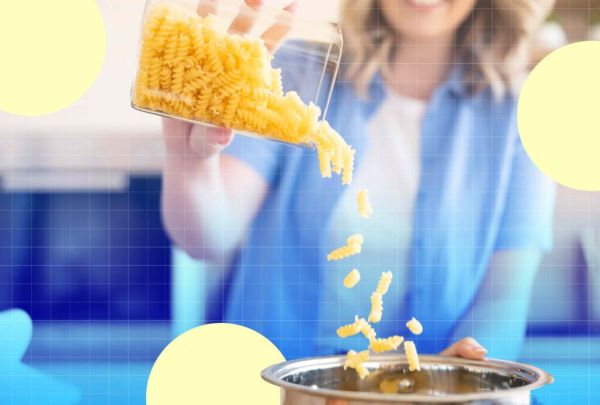
It’s all about the seasoning and you’ll need to use more than you think.
Key Points
- Season pasta water generously with salt to enhance flavor from the start.
- Avoid rinsing pasta after cooking to retain starch for better dressing adherence.
- Dress pasta in layers, seasoning while warm and again before serving for full flavor.
You may think a barbecue is all about the meat on the grill, but the sides have the potential to steal the show. That’s especially true for pasta salad. When done right, it’s a complex and versatile dish. When done wrong, though, it’s soggy, overdressed, or—the worst offense, at least according to chefs—bland. According to the three chef experts, the secret to a perfect pasta salad is all in the seasoning. Since the salad undergoes temperature changes, getting the seasoning right is more complex than most home cooks realize, too. Here’s how they recommend seasoning your pasta salad to set it apart at your next cookout.
Start Seasoning at the Stove
Just like a good hot pasta, a pasta salad starts with correctly seasoned pasta. “Pasta can be very dull on its own. Salt is the No. 1 ingredient in the seasoning,” explains Bill Peet, executive chef at Tavern on the Green, a historic restaurant in NYC’s Central Park. The water it’s boiled in should “taste like the sea,” adds Brandon Jennings, co-founder of Pastaria Vivi in Encinitas, California, and former executive chef at San Diego County’s Michelin-recognized Mille Fleurs. “An OK pasta salad is dressed once at the end and called done. A great one starts with heavily salted pasta water,” he says.
Skip the Rinse
Once the pasta is drained, your first instinct may be to run it under cold water, like you would with other noodles (rice vermicelli or soba noodles, for example) you plan to serve cold. Both Jennings and Michael Handal, chef-instructor at the Institute of Culinary Education, recommend against this. Rinsing pasta removes its starchy coating, which helps pasta salad hang onto its flavorful dressing.
“For cold salads, drain the pasta and place it on a flat sheet pan or other container that will allow the pasta to dry in a single layer. A light coating of neutral oil or olive oil will help prevent the pasta from sticking together,” Handal says.
Dress It Warm
The next way to season your pasta salad? A two- or even three-step dressing process. Jennings typically dresses his pasta while it’s still a little warm with olive oil and a bit of lemon juice—the pasta will absorb more of the flavor while it’s still warm, he says. Once the pasta has cooled, Jennings and Handal recommend dressing the salad, but holding one-third or half the dressing back to use just before serving. The pasta will absorb some of the flavors as it sits in the fridge.
Re-season Before Serving
When it’s time to serve the pasta, our chefs recommended letting the salad warm up a bit rather than serving it straight from the fridge. Cold temperatures will mute flavors, so giving the salad a bit of time at room temperature (and tasting it before serving!) will help ensure it retains its seasoning.
Before serving, you’ll also need to stir up the salad, add any leftover dressing and give it a final seasoning with salt. “Take the finished pasta salad out of the refrigerator at least one hour before serving,” Peet says. “Since the salad will be served chilled or at room temperature, it needs to be ‘over-seasoned’ or very well seasoned at the serving temperature.” All the chefs recommended taking it out of the fridge about 20 minutes to an hour before serving it to guests.
More Tips for the Best Pasta Salad
- Choose the right pasta. At Pastaria Vivi, Jennings specializes in fresh pasta, but says these aren’t the right choice for pasta salad, saying egg-based fresh pastas should be eaten hot. Instead, he recommends a bronze-die-cut dry pasta, which has a rougher surface to grab the dressing.
- Go past al dente. Handal also advises that the pasta shouldn’t be too firm when you drain it, as (unlike a hot pasta dish) the pasta won’t continue cooking in sauce before it’s served. “Closely monitor the cooking of the pasta so that the end result is not too al dente, which can be unappealing when cold, as well as being sure that the pasta is not overcooked,” he explains. “Overly soft pasta will result in a finished salad that is mushy and lacking in texture.”
Our Expert Take
Because a pasta salad is typically served chilled, which can mute its flavor, it needs to be seasoned in layers to avoid tasting bland. Start with the pasta water and give it a heavy seasoning of salt, then once it’s drained don’t rinse it; washing away its starchy coating will make it more difficult for your dressing to stick to the pasta. Instead, allow it to cool in a single layer with a bit of olive oil and a squeeze of lemon to keep it from sticking. Dress it with part of your dressing once it’s cooled slightly, then allow it to sit in the fridge and absorb the flavors. Once you’re ready to serve, take it out of the fridge about 20 minutes to an hour before you want it on the table, then give it a good stir, add any additional dressing and more salt (should it need it).
-
NMC to Phase Out Medical Diploma Courses in Favor of MD and MS Programs

-
Exciting Job Openings at Bharat Earth Movers Limited for Non-Executive Positions

-
Exciting Assistant Professor Job Openings in Himachal Pradesh

-
Understanding MBBS: The Journey from Aspirant to Doctor

-
Oracle's Workforce Reduction Amid AI Advancements: A Closer Look