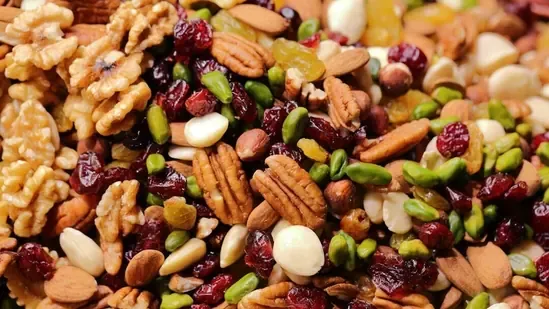
When it comes to superfoods, walnuts may not always get the attention they deserve. However, health experts say these humble nuts are among the most nutrient-dense foods you can eat, offering impressive benefits for heart health, brain function, and overall wellbeing.
Packed with healthy fats, antioxidants, vitamins, minerals, and plant-based omega-3 fatty acids, walnuts provide a powerful nutritional boost in a surprisingly small package.
A Nutritional Powerhouse
According to health experts, just a handful of walnuts—about 28 grams—contains approximately 2.5 grams of plant-based omega-3 fatty acids. These essential fats play a key role in reducing inflammation throughout the body.
Chronic inflammation has been linked to a wide range of health concerns, including:
- Heart disease
- High cholesterol
- Poor metabolic health
- Cognitive decline
- Accelerated ageing
- Brain fog
By helping to combat inflammation, walnuts may contribute to better long-term health and disease prevention.
Benefits for Heart Health
Heart disease remains one of the leading causes of death worldwide. Fortunately, simple dietary changes can make a significant difference.
Walnuts contain healthy unsaturated fats that may help:
- Lower bad cholesterol levels
- Improve blood vessel function
- Support healthy blood pressure
- Reduce cardiovascular risk
Regular walnut consumption has been associated with improved heart health and better circulation.
Supporting Brain Function
Walnuts are often referred to as “brain food” because of their unique nutrient profile.
Their omega-3 fatty acids, antioxidants, and polyphenols may help:
- Improve memory
- Support concentration
- Protect brain cells from oxidative stress
- Promote healthy cognitive ageing
Some research suggests that diets rich in walnuts may support overall brain performance and mental clarity.
Good for Gut Health
A healthy gut plays a crucial role in overall wellness.
Studies indicate that walnuts may help nourish beneficial gut bacteria, supporting a healthier digestive system and potentially improving immune function.
Easy Ways to Add Walnuts to Your Diet
One of the best things about walnuts is their versatility. They can easily be included in both traditional and modern meals.
Try adding walnuts to:
- Oatmeal
- Smoothies
- Yogurt
- Salads
- Chaat
- Upma
- Rice dishes
- Homemade dips
- Trail mixes
They can also be enjoyed as a quick and satisfying snack between meals.
A Great Choice for Children and Adults
Because walnuts contain healthy fats, protein, fibre, and essential nutrients, they are suitable for people of all ages.
For children, walnuts can help support healthy growth and brain development. For adults, they offer valuable nutritional support for heart health, cognitive function, and healthy ageing.
How Much Should You Eat?
Experts generally recommend consuming about one handful (28 grams) of walnuts per day as part of a balanced diet.
While walnuts are highly nutritious, they are also calorie-dense, so moderation remains important.
Final Thoughts
Walnuts may be small, but their health benefits are remarkable. Rich in omega-3 fatty acids, antioxidants, and healthy fats, they support heart health, brain function, gut health, and overall wellbeing.
Adding a handful of walnuts to your daily routine is one of the simplest ways to boost your nutrition and invest in long-term health. Sometimes, the most powerful superfoods are also the simplest.
-
Supporters urged to stay away from France vs Iraq World Cup clash as severe weather threatens kick-off delay

-
Gemini Daily Horoscope Today (May 21 - Jun 20), June 23, 2026: Career Will Accelerate, Maintain Balance in Relationships

-
Aquarius Daily Horoscope Today (Jan 20 - Feb 18), June 23, 2026: Take your time before meeting, stay calm and composed

-
Galatasaray Set €150 Million Price Tag for Manchester United Target Victor Osimhen

-
Capricorn Daily Horoscope Today (Dec 22 - Jan 19), June 23, 2026: Career Reputation to Rise, Financial Stability to Strengthen