Non-alcoholic fatty liver disease (NAFLD), commonly known as fatty liver disease, is becoming increasingly common across the world. Modern lifestyles that include long hours of sitting, highly processed foods, poor sleep habits, and lack of physical activity have contributed significantly to its rise. What makes fatty liver particularly concerning is that it often develops silently, without obvious symptoms, allowing liver damage to progress unnoticed.
The good news is that simple lifestyle changes can play a major role in supporting liver health and reducing excess fat accumulation in the liver. Here are five science-backed habits that may help improve liver function naturally.
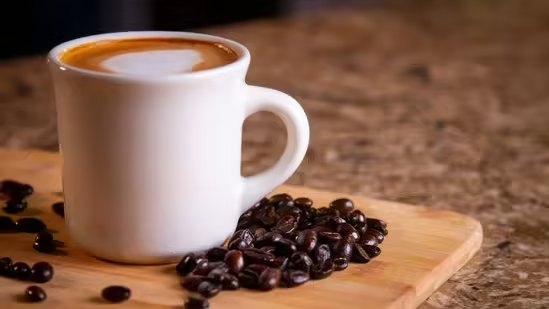
1. Make Coffee Part of Your Daily Routine
Coffee is more than just a morning pick-me-up. Research suggests that regular coffee consumption may be associated with healthier liver enzyme levels and a lower risk of liver damage.
Coffee contains powerful antioxidants and plant compounds that may help reduce oxidative stress, support insulin sensitivity, and improve the way the liver processes fats. Moderate coffee consumption may also help lower the risk of liver fibrosis, a condition where scar tissue develops in the liver.
2. Include Omega-3 Fatty Acids in Your Diet
Omega-3 fatty acids are known for their heart-health benefits, but they may also support liver health.
These healthy fats can help reduce fat buildup in the liver while improving triglyceride levels. Foods rich in omega-3s include fatty fish such as salmon, sardines, and mackerel, as well as walnuts, flaxseeds, and chia seeds.
When combined with regular exercise and a balanced diet, omega-3s may contribute to healthier liver metabolism and reduced liver fat.
3. Focus on Better Metabolic Health
Poor insulin sensitivity is one of the major contributors to fatty liver disease. Supporting healthy blood sugar regulation can therefore have a positive impact on liver function.
Experts suggest that improving overall metabolic health through balanced nutrition, regular physical activity, weight management, and reduced intake of refined carbohydrates can help decrease liver fat and improve liver enzyme levels over time.
4. Prioritize Protein at Every Meal
Adequate protein intake is important for maintaining muscle mass and supporting healthy metabolism.
Protein helps control hunger, supports blood sugar stability, and contributes to the maintenance of healthy liver tissue. Studies have shown that lower muscle mass may be linked to a higher risk of fatty liver disease.
Good protein sources include eggs, fish, poultry, dairy products, legumes, tofu, and lean meats. Including protein in each meal can help support long-term metabolic and liver health.
5. Take a Walk After Meals
One of the simplest ways to support liver health may be a short walk after eating.
Post-meal walking helps muscles use circulating glucose more efficiently, reducing blood sugar spikes and lowering the body’s demand for insulin. Improved insulin sensitivity can help reduce the signals that encourage fat storage in the liver.
Even a 10 to 20-minute walk after meals can become a valuable part of a liver-friendly lifestyle.
The Bigger Picture
While these habits can support liver health, experts emphasize that the most important factors for managing fatty liver disease remain:
- Maintaining a healthy body weight
- Exercising regularly
- Limiting refined sugars and processed foods
- Reducing or avoiding alcohol consumption
- Getting adequate sleep
- Managing stress levels
Fatty liver disease often develops quietly, but early lifestyle changes can have a significant impact on long-term liver health. Small daily habits, when practiced consistently, may help protect one of the body’s most important organs and support overall wellbeing.
-
Box Office Collection: Kangana’s ‘Bharat Bhagya Vidhaata’ beats Imtiaz’s film badly, know the total collection of Main Vaapas Aaunga

-
Welcome To The Jungle: CBFC’s scissors on Akshay’s film, these dialogues from Disha-Jacqueline’s bikini scene were cut

-
Shahrukh Khan: Today he is the king of Bollywood, Shahrukh Khan once used to sell samosas in NSD; Pankaj Kapoor narrated the story!

-
A24’s Divisive New Deal Could Lose Movie Studio Its Identity & Fans

-
Editorial: Student suicides, systemic tragedies