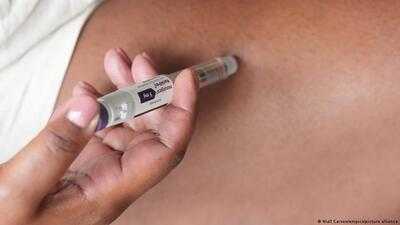
Every other month, researchers find new uses for GLP-1 agonist drugs, like Mounjaro and Ozempic — now even as a treatment for substance abuse. It's classic drug repurposing, a technique that saved lives during COVID.The list of uses for GLP-1 agonist drugs keeps growing: It started as a treatment for type 2 diabetes, then got hyped as a weight-loss jab. There's also evidence that GLP-1 agonists, like semaglutide and tirzepatide — sold as Mounjaro, Ozempic, Wegovy and Zepound — lower the risk of cardiovascular diseases protect the kidney and the liver, reduce inflammation and pain, prevent addiction and substance abuse, help people with arthritis and those with sleep apnea. Take a 30,000ft view, and you will see a classic case of what's known in the trade as drug repurposing. That's one drug with multiple uses. Repurposing drugs in a health crisis What may seem to some like a cunning way to cash in on an already popular drug is to others a cost-effective, time-efficient way to save lives. The COVID-19 pandemic is a case in point: consider the drugs dexamethasone and baricitinib. When COVID hit, dexamethasone and baricitinib already existed. They are used to treat inflammation (swelling). Dexamethasone has broad applications — it can be used for arthritis, asthma, blood or bone marrow problems, kidney problems, skin conditions, and acute cases of multiple sclerosis. Baricitinib is used to treat moderate to severe rheumatoid arthritis, moderate to severe atopic dermatitis and severe alopecia areata, an autoimmune disease that attacks the hair (it causes hair loss). And then doctors tried these drugs to treat inflammation in COVID patients — this was before and in the early stages of COVID vaccines. In 2021, the UK's National Health Service reported that dexamethasone saved 22,000 lives in the UK and an estimated one million worldwide. Meanwhile, baricitinib controls elevated cytokine levels and inflammation. During COVID, doctors and researchers observed "cytokine storms" in patients — that's when the immune system becomes overactive, ultimately causing severe inflammation. Following these experiences during COVID, the European Commission planned to increase support for drug repurposing to search for treatments for cancer. A health warning on repurposed drugs None of the above should be read to suggest — and it is not DW's recommendation — that anyone use GLP-1 agonists, or any other drug, to treat any "off label"/non-approved condition, without personal, professional medical advice. There are risks in the use of any medication, and as the uses of GLP-1s have increased, for instance, so too have lesser-known risks emerged. It should also be no surprise that GLP-1 agonists have such universal health benefits. If the drugs can help you lose weight, or stop you gaining it, reduce addictive behavior, then they will also lower the risk of type 2 diabetes — which is largely caused by "lifestyle choices" like overeating — and that, in turn, will lower the strain on every organ in the body. It's almost as if the original developers of the first GLP-1 agonist had planned a series of sequels — they didn't invent drug repurposing. But — as we've noted above — drug repurposing is usually done by accident or in a moment of great desperation, such as the COVID-19 pandemic. A short history of drug repurposing The following list is by no means exhaustive. Perhaps it's best read as an illustration of the human body's interconnectedness — that we are one system, and it, therefore, stands to reason that one drug can have multiple uses. In cancer treatment, there are two notable examples — the first being the drug raloxifene. Raloxifene was originally developed to treat osteoporosis. Then, a large study across 25 countries showed its potential for repurposing in people at high risk of breast cancer. In the study, the risk of invasive breast cancer decreased by 76% during three years of treatment in postmenopausal women with osteoporosis. The US Food and Drug Administration (FDA) — considered the world standard on drug and vaccine approval — approved raloxifene for the prevention of invasive breast cancer. Thalidomide — a drug, perhaps known more for its controversial 1950s history as a sedative for pregnant women with morning sickness, which was withdrawn after it was found to lead to severe skeletal birth defects — was repurposed and approved by the FDA about 60 years later for use in combination with dexamethasone in patients with newly diagnosed multiple myeloma. Multiple myeloma is an incurable but treatable blood cancer. More recently, there have been studies into repurposing drugs for Alzheimer's Disease, which is a form of neurodegeneration or dementia. The prevalence of dementia is increasing rapidly. A 100-year-old vaccine against tuberculosis, called Bacillus Calmette-Guerin, has been found to regulate blood sugar — and, therefore, the need for insulin — in people with type 1 diabetes. But perhaps the most famous — or infamous — case of drug repurposing is that of Viagra, or sildenafil. The drug was originally developed to treat cardiovascular conditions, such as chest pain or angina. It was then found — to cut a long story short — to help men with erectile dysfunction. And it subsequently became known as the "little blue pill". Another warning — this time from history Writing in the British Medical Journal in 1998, Abi Berger, a general practitioner, noted: "It must surely be every drug company's dream: to have a product so sexy that the need for marketing and public relations has been obviated by a tidal wave of media hype." It's as if the hype around GLP-1 agonists is a case of "history repeating". So, let's end on a warning from history: Not only did the hype put pressure on the production of sildenafil back in the day, but it has also been found to cause abnormal heart rhythms in more recent studies. And the same may be true to GLP-1 agonists: the proof of their repurposed uses — their true pros and cons — may only be observed in many years' time. Edited by: Jakov Leon
-
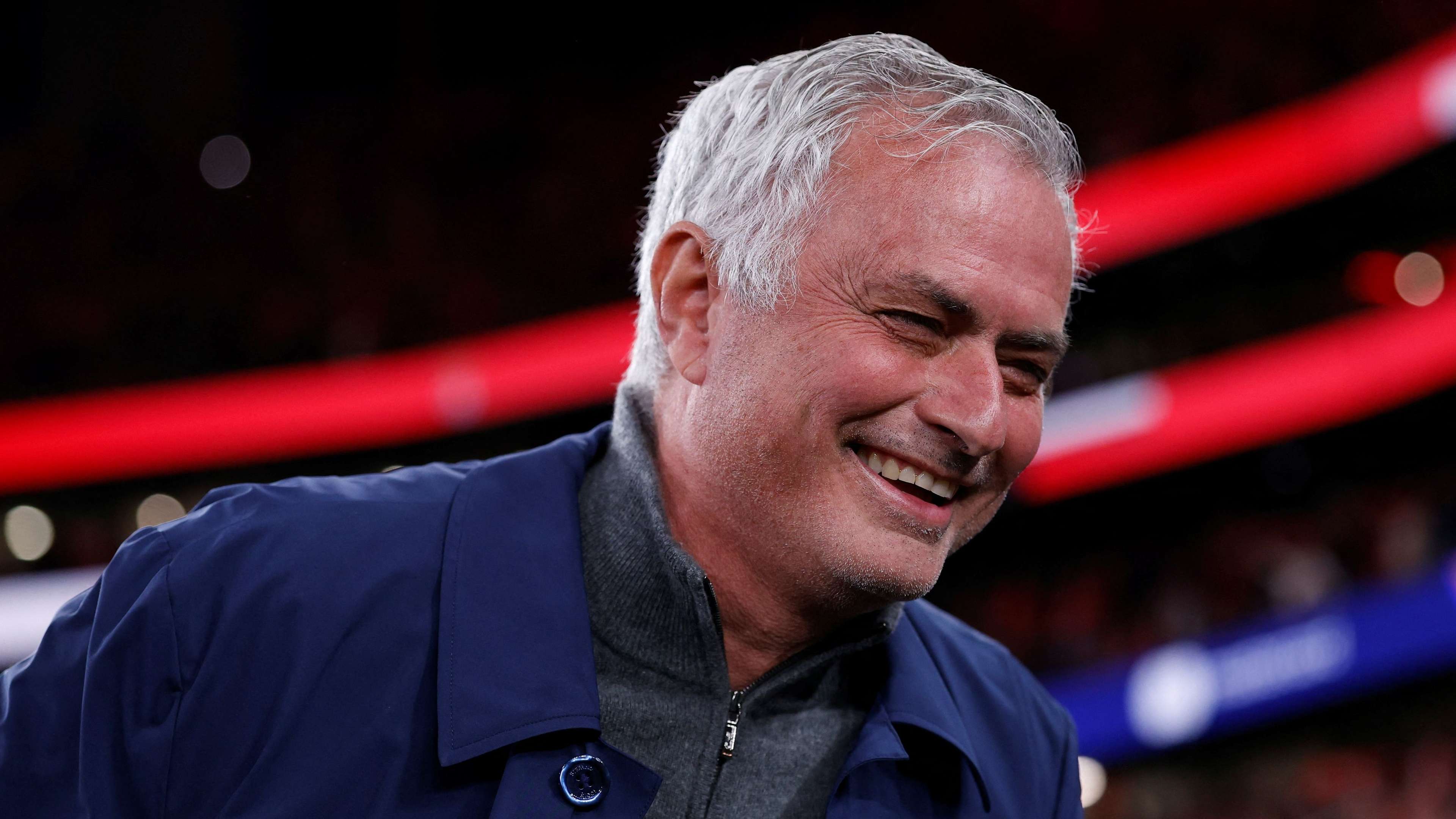
Real Madrid officially announce Jose Mourinho’s return on a three-year deal and confirm his joining date
-
Manchester United Eye Lille Star Matias Fernandez-Pardo: A Prospect for the Future?

-
World Cup 2026: Who’s in Action Today?

-
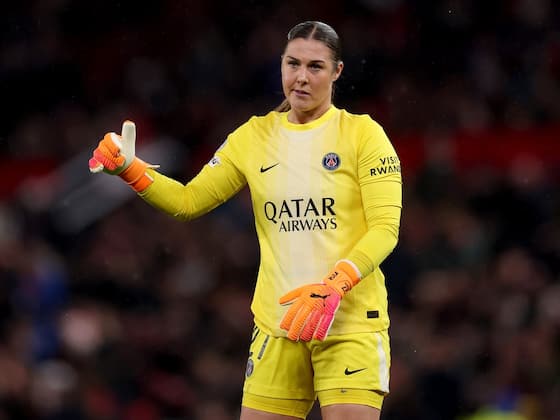
Mary Earps set for WSL comeback after confirming PSG exit
-
Get Your Free 2026 World Cup Fan Kit and Enjoy Exclusive Offers