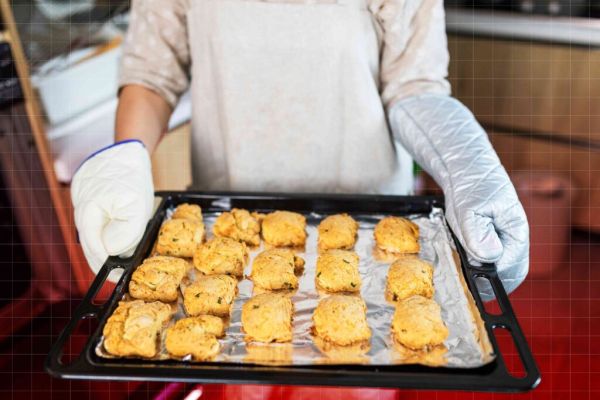
The convenient kitchen item could pose serious danger.
Reviewed by Dietitian Kelli McGrane, M.S., RD
Key Points
- Improper use of foil can pose health and safety risks.
- Avoid using it with acidic foods, for prolonged storage, and in microwave or high-heat cooking.
- Consider using glass, parchment or silicone baking sheets instead of foil.
Aluminum foil is an all-purpose kitchen product with nearly countless uses. Folded into a decorative swan, it keeps restaurant leftovers safe. It ensures that tender vegetables are protected from burning on the grill or the campfire. And it makes cleanup a breeze when roasting dinner on a sheet pan.
While there are many great ways to use aluminum foil in the kitchen, it can also create challenges—particularly when airflow is critical—and may pose a food safety risk if used improperly. For instance, you shouldn’t use it with acidic foods, and it can easily catch on fire if you microwave it. Read on to learn how to prevent mishaps.
1. Avoid Using Foil with Acidic Foods
“Aluminum foil is one of the most widely used items in American kitchens. It’s convenient, versatile and easy to grab when you’re cooking, baking or storing leftovers,” said Dr. Darin Detwileran associate professor at Northeastern University’s College of Professional Studies and a food safety advocate and educator. “But there are certain situations where using foil can actually pose risks to your health and food safety.”
Acidic foods—like tomatoes, vinegar or citrus—can corrode or discolor aluminum. That means if you are marinating chicken breasts in lemon juice and oil, use a glass or ceramic storage container instead of aluminum foil. According to Detwiler, acidic ingredients can trigger a chemical reaction that not only produces a metallic taste but also releases aluminum into the food. There is a fairly high likelihood of this reaction, and the health risks could include gastric irritation or long-term neurological concerns, Detwiler explains.
2. Don’t Use It for Storing Leftovers Long-Term
While wrapping room-temperature leftovers (such as steamed ears of corn) in foil is generally safe, you should not use aluminum for long-term storage. “Aluminum foil is not airtight,” Detwiler says. “Wrapping leftovers in foil allows air and bacteria to enter, which increases the risk of spoilage and foodborne illness.” Of course, if the food is acidic, you also run the risk of aluminum leaching into the food over time. Instead, use an airtight glass or ceramic container for longer-term storage.
3. Skip the Foil When Baking
Aluminum is a good conductor of heat, so if you use an aluminum-foil–lined baking sheet to make cookies or other baked goods, the bottoms may brown or even burn. If you use standard gauge foil, it may tear easily and cause sticking. If your baked goods happen to be acidic, like lemon drop cookies, they could taste metallic. Instead, opt for a reusable silicone baking mat or parchment paper for more even heat distribution.
4. Never Microwave It
You should never put metal in a microwave, as it could cause sparks or a fire. Since aluminum foil is a metal, avoid wrapping your russet potatoes in aluminum foil (as you might when baking them) before microwaving them—use wet paper towels instead. When covering plates or bowls, reach for parchment paper or microwave-safe covers to prevent splatters or spills.
5. Avoid Using It at Very High Temperatures
One of the key selling points of aluminum foil is its ability to withstand high temperatures. However, cooking at very high temperatures for extended periods, whether in the oven or on the grill, can cause the foil to break down, especially when it’s in direct contact with food or exposed to an open flame. Detwiler explains, “This can cause aluminum to migrate into your food, a process where small amounts of the metal dissolve into what you’re eating.”
Reynolds Wrap makes foil for the grill that is heavier-duty than its everyday foil. The company says, “Reynolds Wrap Grill Foil is designed to take the high heat of the grill as well as the low temperatures of the freezer. It is safe at any temperature ranging from -40°F to 650°F.”
Foil degradation or breakage is more likely above 400°F and when the foil comes into contact with foods that are acidic or especially salty, says Detwiler. “Although occasional use may not cause harm in healthy individuals, repeated exposure can lead to a gradual buildup of aluminum in the body, especially for people with reduced kidney function,” he adds.
6. Don’t Line an Oven or Grill with It
While not a food safety concern, lining the bottom of a grill or oven with aluminum foil can be problematic. The foil may not withstand high heat and could scratch your oven. In addition, it could damage heating elements or interfere with the open flames of a gas oven.
A layer of foil on the bottom of the oven could block airflow and result in uneven heating. Grease could build up on the foil and ignite a fire. The same concerns apply to a grill: Airflow is critical for grilling, so it’s best to save foil for quick-cooking grilled vegetable packets.
7. Recycle, Not Reuse
Aluminum foil is recyclable and, in some cases, reusable. However, do not reuse it if it comes into contact with raw meat or seafood, as it may carry foodborne pathogens. When you are ready to dispose of it, clean it well, ball it up, and find a local recycling program that accepts aluminum foil.
The Bottom Line
There is no doubt that aluminum foil is convenient, but it was never meant to be the Swiss Army knife of kitchen tools, according to Detwiler. There are a number of everyday uses that “carry hidden risks that can add up over time,” he said. “By understanding where those risks lie and choosing safer alternatives, home cooks can protect their health and food quality without sacrificing convenience.”
Aluminum is not just found in foil; it’s also in some baking powders and medications. Small amounts are typically excreted by the body, but overexposure could pose health risks—especially in those with kidney problems, warned Detwiler. In almost all cases, opting for glass containers, parchment paper or silicone mats for cooking and storing food may be a healthier and safer choice.
-
Ex-Afghan Cricketer Battling For Life In Gurgaon Hospital, In Urgent Need Of A+ Platelet

-
IND vs AFG: Rohit Sharma Hits Brilliant Fifty As India Dominate Afghanistan In Chase

-
Raghav Juyal’s Dark The Paradise Look Stuns Fans, Actor Unveils Fierce Vikram Maalik

-
'Looters Being Sent To Jail': PM Modi Promises Change In West Bengal Under BJP

-
Shraddha Kapoor to play Lavani legend in Eetha