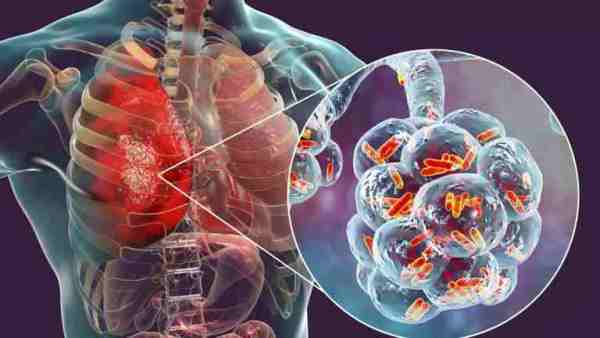
Cold, cough and cough are very common during the changing season. Usually, people consider it as ordinary flu and leave it to home remedies or cough syrup. But being a pulmonologist, I have seen many such cases in my career where this seemingly simple disease can turn dangerous very quickly. In fact, pneumonia is a ‘silent threat’ that starts with a mild runny nose and sore throat, but soon it engulfs our lower respiratory tract.
Not recognizing the symptoms on time makes this disease fatal. When the infection reaches deep inside the lungs, the body starts giving some clear signals which, if identified in time, can save someone’s life.
The difference between early stage and severe infection
Initially, the symptoms of pneumonia appear similar to those of any common viral fever—such as mild fever, runny nose, or sore throat. But as soon as the infection spreads to the lungs, the entire system of the body starts deteriorating.
You can easily understand the difference between common cold and severe pneumonia from the table given below:
Keep a close eye on these 3 medical parameters
If someone at home is ill, do not rely only on medicines. You can measure the risk level with the help of some simple medical devices available at home:
1. Pulse Oximeter
Since the Corona period, this small device is found in almost every house. It tells the level of oxygen saturation (SpO2) present in your blood.
-
General condition: The oxygen level in a healthy person’s body is always more than 95% Should be.
-
Danger sign: If oxygen levels drop amid pneumonia symptoms Below 90% to 92% If it starts coming, consider it a medical emergency immediately. This simply means that due to inflammation and infection in the lungs, they are not able to provide enough oxygen to the body.
2. Sudden drop in blood pressure (Low Blood Pressure)
Often people check only fever and cough in pneumonia, but blood pressure is a parameter that should never be ignored. If the patient starts complaining of severe cough and shortness of breath as well as low blood pressure, then it is a sign that the infection is spreading throughout the body. This condition can affect other major organs of the body (such as kidneys and liver) and can lead to a state of shock.
3. High fever and mental disorientation with tremors
When the body’s immune system is fighting this serious lung infection, the patient develops high fever along with chills. Due to this, there is extreme weakness and fatigue in the body.
Incidence of mental alertness in the elderly
In older people or the elderly, the effects of pneumonia may be slightly different and more serious. Sometimes they may not have high fever, but as the infection progresses, sudden changes in their mental condition start appearing. They start getting confused, forget things or become lethargic. This kind of mental disorientation in the elderly is a major sign of serious lung infection.
-
Why Harry Kane Prefers to Be Like Olivier Giroud Rather Than Emulate Lionel Messi or Kylian Mbappe — England’s Record Goalscorer Eyes World Cup Glory Again

-
Skin Care Mistakes: Making ‘these’ mistakes in skincare? Avoid it today, otherwise the skin will be severely damaged

-
Don’t forget to throw away the jackfruit seeds! These small seeds can increase strength, immunity and facial glow

-
Oppo’s new 5G smartphone launched in the market; 7,000mAh battery and powerful support of 80W fast charging… Price starts from Rs. 38 thousand

-
Stones thrown on the road to avoid RTO! Overloaded dumper created a jam, police cleared it with a shovel