It’s not just what you do in the morning—your evening habits matter too for blood sugar management.
Reviewed by Dietitian Jane Leverich, M.S., RDN
Key Points
- Your evening routine matters just as much as your morning routine when it comes to blood sugar.
- Walking after dinner, managing stress and prioritizing sleep are ways to support blood sugar.
- Work with a dietitian or certified diabetes educator to help you develop a personalized plan.
If managing blood sugar is on your radar, you might be focused on what you eat for breakfast or how much you move during the day. Your evening routine, though, matters just as much. After 5 p.m., many people eat dinner, unwind for the evening and push bedtime later than planned. The good news is that a few intentional evening habits can make a real difference in blood sugar management, and none of them require an overhaul of your entire routine.
1. Take a Short Walk After Dinner
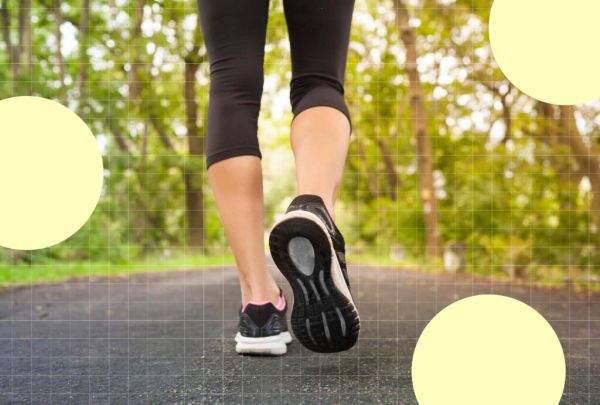
One of the most well-researched evening habits for managing blood sugar is taking a short walk after a meal. Research shows that walking as soon as possible after eating has the greatest impact on blood sugar, and even just a short walk can make a meaningful difference.
Toby Amidor, M.S., RDrecommends aiming for 15 to 20 minutes. “According to the American Diabetes Association, research supports that taking a light stroll after your evening meal can help manage blood sugar in people living with diabetes or prediabetes,” Amidor says. “Regular post-meal movement can also lower insulin resistance over time and minimize glycemic highs and lows.”
2. Eat a Balanced Meal
How you structure dinner can affect your blood sugar immediately after eating and even overnight. Meals high in refined carbohydrates and low in protein or fiber tend to cause sharper glucose spikes. Prioritizing protein and fiber helps slow gastric emptying, so glucose enters the bloodstream more gradually.
Both Amidor and Mandy Enright, M.S., RDN, RYT, recommend the diabetes plate method as a practical approach that doesn’t require counting calories or carbohydrates: Fill half your plate with nonstarchy vegetables, one quarter with lean protein and the last quarter with fiber-rich carbohydrate foods like whole grains, starchy vegetables or fruit. For quick portion guidance, Enright suggests using your hands by “aim[ing] for a palm-size of protein and about a palm or fist-size of starchy carbs, then fill the rest with nonstarchy veggies.”
3. Eat Vegetables & Protein Before Carbs
The order in which you eat your food may also influence your blood sugar response. Research suggests that eating vegetables first, followed by protein, and saving carbohydrates for last, may help slow glucose absorption and reduce post-meal blood sugar spikes.
Enright also notes that beverages can be an overlooked source of carbohydrates. Consider choosing lower-carbohydrate choices, like water, seltzer or unsweetened iced tea, alongside your meal.
4. Wind Down to Reduce Stress
Chronic stress is associated with higher cortisol levels, which may make blood sugar management more challenging. Incorporating even a brief evening wind-down practice can help you relax and bring cortisol levels down before bed. Enright is a strong proponent of meditation before sleep. “Meditation and other mindfulness practices have been shown to help blood sugar control through emotional regulation, calming the fight-or-flight response and reducing inflammation,” Enright says.
Research suggests that mindfulness practices, including meditation and deep breathing, may support both stress management and healthy blood sugar levels. If you notice your stress feels elevated, Enright suggests a simple technique: inhale for three counts and exhale for six. Disconnecting from social media before bed is another easy way to lower stress heading into sleep.
5. Prioritize Getting Enough Sleep
Sleep and blood sugar are closely connected, and the evening is when you can set yourself up success. Research suggests that both short sleep duration (typically less than six hours) and poor sleep quality are associated with higher fasting glucose, elevated HbA1c and greater insulin resistance in people with type 2 diabetes.
Enright also notes that evening habits, such as meditation, may improve sleep quality, which can further support healthy blood sugar management. Interestingly, emerging research suggests that certain deep-sleep brain activity patterns may be linked to better blood sugar control the following day.
Other Tips for Better Blood Sugar
Beyond your evening routine, a few other habits can help support healthy blood sugar management. Consider the following strategies to help round out your approach:
- Pair your foods strategically. Enright recommends pairing carbohydrates with fiber, protein and healthy fats at both meals and snacks to help reduce blood sugar spikes.
- Stay hydrated in the evening. When you don’t drink enough water, you may become dehydrated, which can affect blood sugar levels. Try drinking a glass of water with or before your evening meal as an easy place to start.
- Monitor your blood sugar regularly. As Amidor points out, “Everyone is different, so measuring after a workout, at night or an hour before or after you eat can give you a good idea of what is going on.”
- Work with your health care provider. Blood sugar management is highly individualized. A registered dietitian or certified diabetes educator can help you develop a personalized plan.
Our Expert Take
Your evening routine is more connected to blood sugar than many people realize. Taking a short walk after dinner, building a balanced plate, winding down with stress-reduction practices and getting enough sleep are evidence-backed habits to try after 5 p.m. As always, working with a health care provider can help ensure your approach is tailored to your individual needs and goals.
-
Thomas Tuchel Triumphs Again! FIFA Revises World Cup Photographer Rules After England Coach’s Visibility Complaint

-
England feel the absence of Harry Maguire as reason behind second omission revealed, defensive concerns persist in 2026 World Cup campaign

-
Free Travel Arrangements for NEET-UG 2026 Re-Examination Across States

-
Haryana HSSC Group D Recruitment 2026: Apply Now for Government Jobs

-
Uttar Pradesh Revokes Recognition of 465 Fake Schools for 2024-26