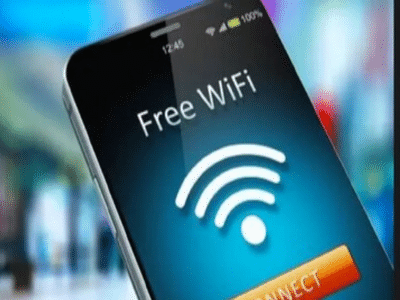
Free Wi-Fi networks have become a common convenience in today's connected world. Whether you're waiting at an airport, traveling through a railway station, relaxing in a café, shopping at a mall, or staying at a hotel, public Wi-Fi allows you to stay online without using your mobile data. From checking emails and scrolling through social media to streaming videos and attending virtual meetings, these networks make internet access quick and convenient.
However, cybersecurity experts continue to warn that public Wi-Fi can also expose users to serious digital threats. While free internet access may seem harmless, connecting to unsecured networks can leave personal information vulnerable to cybercriminals. In some cases, hackers may gain access to sensitive data, including banking details, passwords, and private documents.
Why Public Wi-Fi Networks Can Be DangerousMost public Wi-Fi networks are designed to accommodate a large number of users. Unfortunately, many of these networks lack advanced security protections, making them attractive targets for cyber attackers.
When a network is not properly secured, cybercriminals may attempt to intercept the information being transmitted between your device and the internet. This can potentially expose valuable personal data, including:
-
Login usernames and passwords
-
Email account credentials
-
Social media profiles
-
Personal files and documents
-
Financial and banking information
-
Online payment details
Because users often assume public Wi-Fi is safe, they may unknowingly share sensitive information while connected to a vulnerable network.
Fake Wi-Fi Hotspots Are a Growing ThreatOne of the most common tactics used by cybercriminals is the creation of fake Wi-Fi hotspots. These fraudulent networks are designed to mimic legitimate public Wi-Fi services offered by airports, hotels, cafés, and other public venues.
For example, a hacker may create a network with a name that closely resembles the official Wi-Fi connection. Unsuspecting users who connect to the fake hotspot may unknowingly provide access to their internet activity, personal information, and login credentials.
Once connected, attackers may monitor online behavior, capture passwords, or redirect users to fraudulent websites designed to steal sensitive information.
Banking and Financial Information Faces the Highest RiskSecurity professionals strongly advise against performing financial activities while connected to public Wi-Fi networks.
Activities that should be avoided on unsecured networks include:
-
Accessing online banking accounts
-
Making digital payments
-
Logging into investment or financial platforms
-
Entering credit or debit card details
-
Conducting business-related financial transactions
-
Accessing confidential work accounts
If a network has been compromised, cybercriminals may intercept transmitted data and use it for identity theft, unauthorized account access, or financial fraud.
For important transactions, using mobile data or a trusted private internet connection remains a significantly safer option.
How to Use Public Wi-Fi More SafelyAlthough public Wi-Fi carries risks, users can reduce potential threats by following a few important cybersecurity practices.
Verify the Network Before ConnectingAlways confirm the official Wi-Fi network name with the venue's staff before connecting. Avoid joining networks with suspicious or unfamiliar names.
Avoid Open Networks Whenever PossibleNetworks that require no authentication or password protection may offer less security. Choose verified and password-protected connections whenever available.
Check for HTTPS EncryptionBefore entering any personal information on a website, ensure the URL begins with "https://" and displays a security lock icon. HTTPS encryption helps protect data during transmission.
Enable Two-Factor Authentication (2FA)Adding an extra layer of security through two-factor authentication can help protect accounts even if login credentials are compromised.
Keep Devices UpdatedRegularly update your smartphone, laptop, browser, and applications. Security updates often contain critical patches that protect against newly discovered cyber threats.
Use Strong and Unique PasswordsAvoid using the same password across multiple accounts. Strong, unique passwords reduce the risk of widespread account compromise.
Log Out After UseOnce you finish accessing important services, sign out of your accounts rather than leaving sessions active.
Consider Using a VPNA trusted Virtual Private Network (VPN) encrypts internet traffic, making it more difficult for hackers to monitor online activity on public networks.
Stay Connected Without Compromising SecurityPublic Wi-Fi offers convenience and can help users save mobile data, but it should always be used with caution. Cybercriminals continue to exploit unsecured networks to steal personal and financial information from unsuspecting users.
By understanding the risks and following basic cybersecurity precautions, users can significantly reduce their chances of becoming victims of online fraud. The next time you connect to a free Wi-Fi network, take a moment to verify its authenticity and think twice before accessing sensitive accounts. A few extra precautions today could prevent major financial losses tomorrow.
-
France Player Ratings vs Northern Ireland: Michael Olise Proves World Cup-Ready with a Hat-Trick as Didier Deschamps’ Side Finish Warm-Ups in Style

-
Kylian Mbappe faces the same ‘superstar’ challenge at Real Madrid as Cristiano Ronaldo, says Rafael van der Vaart amid ‘arrogant’ criticism of the French striker

-
Fridolina Rolfo Expresses Frustration Over Limited Role with Sweden While Shining for Manchester United Women

-
Olivier Giroud extends his career! Former Arsenal and France forward inks fresh one-year deal to play under Davide Ancelotti

-
Steve Clarke’s Unfinished Chapter: Scotland’s Quest to End 30 Years of Heartbreak