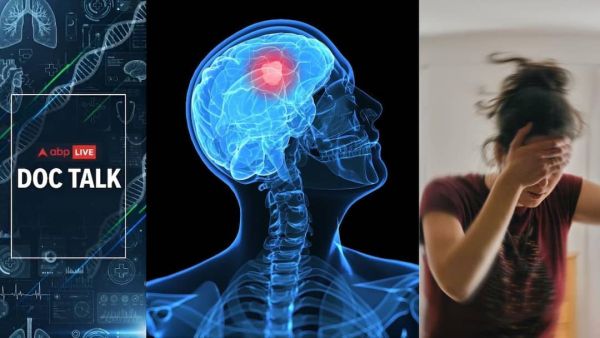
Brain tumours carry a lot of fear with them, and much of that fear is fed by misinformation. While the diagnosis can certainly be serious, a lot of what people believe about brain tumours simply does not hold up. These misconceptions can delay diagnosis and cause unnecessary panic, which is why getting the facts right matters.
Myth 1: All Brain Tumours Are Cancerous
This is one of the most common assumptions, and it is not accurate. Only about one-third of brain tumours are actually cancerous. Many are benign and can be effectively treated or managed, particularly when caught early. That said, even a benign tumour can cause serious problems depending on where it sits in the brain and how large it grows.
Myth 2: Brain Tumours Always Originate In Brain
Not necessarily. Brain tumours can be primary, meaning they start in the brain, or secondary, meaning they have spread from a cancer elsewhere in the body, such as the lung, breast, or kidney. Secondary brain tumours are actually more common than primary ones, which is something most people are not aware of.
Myth 3: Brain Tumours Only Affect Older Adults
Age is not a defining factor here. Brain tumours can develop at any stage of life, including in infants and young children. In India, brain tumours rank among the second most common cancers in children. This is precisely why awareness across all age groups is so important and cannot be limited to older adults alone.
Myth 4: Mobile Phones Cause Brain Tumours
This is a concern that comes up frequently, but current scientific research has not confirmed any direct link between mobile phone radiation and brain tumours. General caution around radiation exposure is always sensible, but there is no proven evidence to support this claim.
Myth 5: Lifestyle Changes Can Prevent Brain Tumours
There is no direct proven link between lifestyle choices and the risk of developing a brain tumour. However, it always helps to stay healthy. A strong body and mind boost the overall well-being and can make a big difference in how well an individual responds to treatment.
No two people with a brain tumour will necessarily experience the same thing. How a tumour presents depends on where it is, how big it is, and how quickly it is growing. One person might have seizures or noticeable memory problems, another might notice changes in their vision or weakness in their limbs, and someone else might have very little to flag in the early stages at all. That kind of variability is exactly what makes going off myths so risky.
What genuinely moves the needle with brain tumours is having the right information, getting evaluated at the right time, and being in the hands of the right medical team. Those three things together are what make a real difference to how the situation unfolds.
Disclaimer: The information provided in the article is shared by experts and is intended for general informational purposes only. It is not a substitute for professional medical advice, diagnosis, or treatment. Always seek the advice of your physician or other qualified healthcare provider with any questions you may have regarding a medical condition.
-
Brake Failure Incident in Ranthambore National Park Averts Major Accident

-
The chipped cup, the service lift and other things I had forgotten about India

-
Trump's NBA Finals Appearance Sparks Mixed Reactions

-
Summer Special: Make this kulfi using 1 liter of milk and a handful of pistachios—everyone will ask for seconds..

-
Keep your money safe and earn excellent interest—RBI is introducing a new rule!