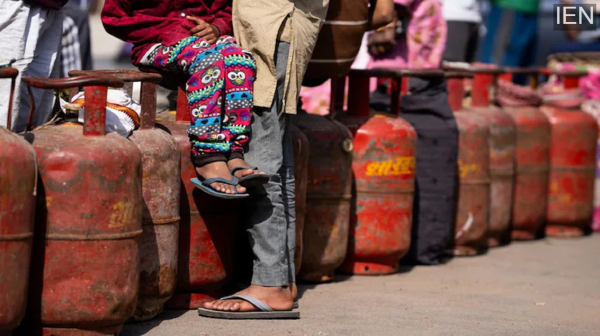
In a move that could impact millions of households across India, the government has reportedly reduced the number of subsidized LPG cylinders available under the Pradhan Mantri Ujjwala Yojana (PMUY). The decision comes amid a sharp surge in global LPG prices and mounting losses faced by public sector oil marketing companies.
The latest policy change means that beneficiaries of the flagship Ujjwala scheme will now receive subsidy benefits on fewer cylinders each year. The development is expected to increase household fuel expenses for many low-income families already dealing with rising living costs.
Subsidized Cylinder Limit Reduced Under Ujjwala Scheme
According to the new arrangement, PMUY beneficiaries will now be eligible for subsidy benefits on only four LPG cylinders annually, down from the previous limit of nine cylinders.
The decision has been taken against the backdrop of escalating energy prices in international markets and growing financial pressure on fuel retailers. With global LPG costs rising sharply over recent months, the government has been forced to reassess its subsidy commitments.
The reduction is likely to affect more than 10 crore Ujjwala consumers who depend on subsidized cooking gas for their daily needs.
Why Has the Government Taken This Step?
Officials have attributed the move to the unprecedented rise in global LPG prices, which has significantly increased the cost of supplying domestic cooking gas.
According to estimates from the Petroleum Ministry, the actual cost of a domestic LPG cylinder has crossed ₹1,600 in the absence of government support. Despite consumers paying much lower prices, oil marketing companies have reportedly been absorbing substantial losses on every cylinder sold.
Government data indicates that the cumulative losses on domestic LPG distribution increased substantially during the previous financial year, prompting policymakers to reconsider the subsidy structure.
To support state-owned fuel retailers, the Union Cabinet has also approved a compensation package aimed at partially offsetting these losses.
How Much Will Ujjwala Beneficiaries Pay Now?
Even after the policy change, the government will continue to provide financial assistance to eligible Ujjwala consumers.
Under the revised framework:
-
Ujjwala beneficiaries will receive an additional subsidy of ₹300 per cylinder on the first four refills each year.
-
The subsidy amount will be directly credited to the beneficiary's bank account.
-
The effective price of these subsidized cylinders is expected to remain significantly lower than prevailing international rates.
For many families, the subsidy will continue to provide meaningful relief, although the reduction in the number of subsidized refills may increase annual cooking fuel expenses.
What About Non-Ujjwala Consumers?
Regular LPG consumers who are not covered under the Ujjwala scheme will continue purchasing cylinders at market-linked rates supported by indirect government intervention.
Following the recent price revision, domestic LPG cylinder prices have increased further, adding to household budgets already strained by inflation and higher utility costs.
Despite the hike, authorities maintain that domestic consumers are still receiving substantial support compared to the actual import-linked cost of LPG.
Global LPG Prices Behind the Pressure
The primary reason for the subsidy revision is the sharp escalation in global LPG benchmark prices.
Energy markets have witnessed significant volatility in recent months due to geopolitical tensions and supply disruptions in key exporting regions. International prices for propane-butane blends used in India's LPG imports have surged considerably compared to levels seen earlier in the year.
The situation worsened after disruptions to shipping routes in the Gulf region, leading to supply concerns and pushing international LPG prices sharply higher.
As a result, importing and distributing LPG has become substantially more expensive for Indian oil marketing companies.
Fuel Retailers Also Facing Losses on Petrol and Diesel
Industry officials have indicated that financial pressure is not limited to LPG alone.
Oil marketing companies are reportedly dealing with under-recoveries on both petrol and diesel sales as well. Rising crude oil prices and volatile global energy markets have increased the gap between retail selling prices and actual procurement costs.
This has placed additional strain on the finances of state-owned fuel retailers, further influencing government decisions regarding subsidies and fuel pricing.
What Does This Mean for Households?
For Ujjwala beneficiaries, the reduction in subsidized refills means that only a limited number of cylinders each year will attract the enhanced subsidy benefit. Families that consume more than four cylinders annually may need to purchase additional refills at higher prices.
Financial planners suggest that households should review their annual LPG consumption and budget accordingly, especially if energy prices remain elevated in the coming months.
Outlook
The government's decision highlights the growing impact of global energy market disruptions on domestic fuel policies. While subsidy support continues for Ujjwala beneficiaries, the reduced number of subsidized cylinders reflects the balancing act between consumer welfare and fiscal sustainability.
With international LPG prices still under pressure, the future course of domestic fuel subsidies will likely depend on how global energy markets evolve in the months ahead.
-
Post Office vs SBI RD: Where Will ₹10,000 Monthly Investment Earn More After 5 Years?

-
EPFO’s Free Insurance Benefit Explained: How Employees Can Get Up to ₹7 Lakh Cover Without Paying Any Premium
-
ITR 2026: Changed Jobs During the Year? You May Receive Two Form 16s Before Filing Your Tax Return

-
Grammy-Winning Songwriter Talay Riley, 35, Stabbed To Death In London

-
Kangana Ranaut Honours Odisha's Iconic Kotpad Saree During Bhubaneswar Visit: Know More About Her Handloom