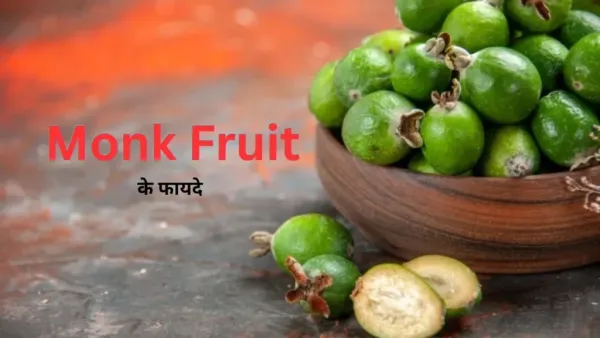
Monk Fruit Sweetener: Most of us are fond of eating sweets during or after eating. Be it the first tea in the morning, breakfast porridge or the craving for dessert at the end of the day, seeing the increasing danger of sweets, we all either avoid eating sweets or look for some other healthy alternative to sweets.
This category of healthy sweetener includes- monk fruit, stevia, sugar free, honey or jaggery. However, excessive use of any sweetener causes harm. Let us know about mock fruit.
Natural Sweetener Category
According to experts, there are three categories of sugar substitutes. This includes artificial sweeteners, sugar alcohols and novel sweeteners.
-
artificial sweetener
Artificial sweeteners are made from chemicals in the lab. This category contains sweeteners like Splenda, aspartame and stevia, which are hundreds of times sweeter than sugar.
-
sugar alcohol
Sugar alcohols are synthetic products, which are prepared from sugar, but their effect on our body is less than sugar. Erythritol, xylitol, sorbitol fall in this category.
-
Novel Sweeteners
Novel sweeteners are prepared from natural sugar sources. These are safer than other sugar substitutes. Stevia or monk fruit can be used to add novel sweeteners to the diet.
-
monk fruit
Monk fruit is a natural sweetener derived from a small melon-like fruit native to Southeast Asia. The special thing is that it does not contain calories and it does not have any effect on blood sugar. This is why it is considered a good option for diabetic patients. This is also a great option for those who are on diet or want to lose weight. Nowadays it is becoming popular all over the world as a health-friendly sweetener.
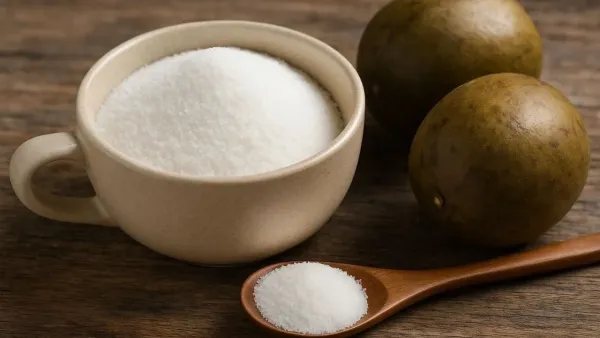
Monkfruit (Photo.Social Media)
What is Monk Fruit?
Monk fruit is mainly found in southern China and northern Thailand. Buddhist monks cultivated it centuries ago. This amazing fruit has been used in traditional medicine for over 800 years, primarily to treat coughs, sore throats and respiratory ailments.
The specialty of monk fruit, the size of a small orange, is the unique sweet compounds found in it called mogrosides, which are 100-250 times sweeter than normal sugar. These natural compounds provide sweetness without adding calories, carbohydrates or impacting blood sugar levels.
How to make sweetener from monk fruit
Modern monk fruit sweetener is made by crushing fresh fruit, extracting the juice and then purifying it to separate out the mongrosides. This juice is dried and turned into a powder or condensed into a liquid form, resulting in a sweetener.
Is it safe to consume monk fruit? (Is Monk Fruit Safe?)
Monk fruit sweetener is safe for most people when consumed in normal amounts. People who are allergic to gourd, cucumber, melon, pumpkin family vegetables should exercise caution, although allergy to monk fruit is very rare.
Additionally, some commercial monk fruit products contain ingredients, such as dextrose or maltodextrin, which can affect blood sugar levels, so always read the label carefully. If you are taking diabetes medication, monitor your blood sugar levels before starting any new sweeteners.
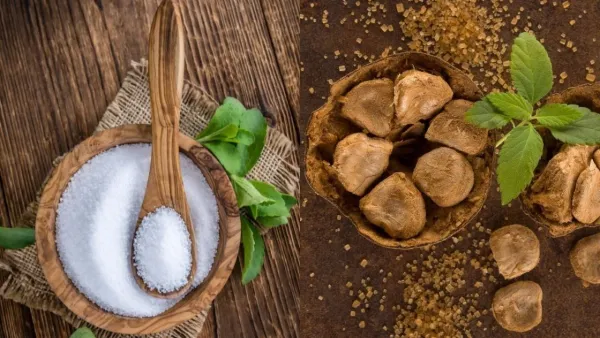
Monk Fruit (Photo.Social Media)
Health Benefits of Monk Fruit
-
weight management
Monk fruit contains zero calories, so you can use it instead of sugar. For those who consume 2-3 teaspoons of sugar daily in tea or coffee, consuming monk fruit can reduce about 50-75 calories per day.
-
diabetes
The macrosides found in monk fruit do not affect blood sugar or insulin levels, so monk fruit sweetener is a safe choice for people with type 1 or type 2 diabetes. Preliminary studies suggest that monk fruit extract has positive effects on insulin sensitivity.
-
heart health
Regular sugar consumption increases the risk of many cardiovascular diseases, including obesity, inflammation and high triglycerides. One of the benefits of monk fruit is that it helps reduce these risks by providing sweetness without the metabolic burden of sugar.
-
rich in antioxidants
Research suggests that mogrosides have powerful antioxidant properties, helping to reduce oxidative stress in the human body. Monk fruit sweetener also provides relief from inflammation.
-
Former captain Tamim Iqbal takes over as Bangladesh Cricket Board chief

-
Vaibhav Suryavanshi: Rising Star of Indian Cricket Takes on International Challenge

-
Debate Erupts Over Closure of Kotli College in Himachal Pradesh

-
India Celebrates 1 Billion Registered Voters: A Milestone for Democracy

-
Indian Navy Agniveer Apprentice 2026: Applications open for Agniveer apprenticeship in the Indian Navy..