It’s the one major trophy missing from Cristiano Ronaldo’s otherwise glittering career — the same one that Lionel Messi proudly holds. And with the World Cup in sight, this may well be Ronaldo’s final opportunity to claim that elusive title.
However, following a rather underwhelming second-to-last warm-up game before the tournament, the lingering question remains: could Ronaldo now be more of an obstacle than an asset for Portugal?
Realistically, very few teams would revolve their plans around a 41-year-old forward who hasn’t played club football in Europe since before the previous World Cup. Yet, Ronaldo is no ordinary player. As captain of Al-Nassr, he is still expected to play a central role in his nation’s quest for a maiden world crown.
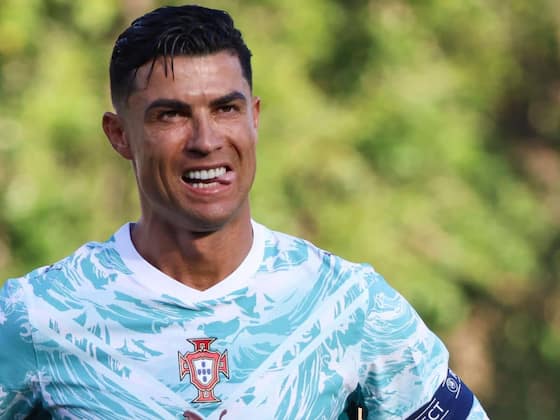
In Portugal’s recent 2-1 friendly victory over Chile on Saturday, Ronaldo’s performance was far from his best. Starting the match as the lead striker, he was substituted at half-time as part of six changes made by coach Roberto Martinez.
During his 45-minute stint, Ronaldo had one goal ruled out for offside. Apart from that, he managed only a single shot on target — a left-footed strike straight at the goalkeeper — and failed to register any successful dribbles, duels won, or major chances created.
To add to his frustration, the player who replaced him, Goncalo Guedes, went on to score Portugal’s opening goal.
As Portugal look ahead to their World Cup opener against DR Congo on June 17, serious conversations will be needed about their ideal starting XI — and whether Ronaldo should still be part of it.
Ronaldo’s name alone guarantees him minutes in North America, but the bigger question is whether he deserves to be a central figure in the side. Could this campaign mirror Euro 2016, when his loud directions from the sidelines after an injury arguably had a greater impact than his time on the pitch?
To give credit where it’s due, Ronaldo did show flashes of creativity against Chile, such as a smart backheel pass to Rafael Leao that nearly led to a goal. Leao himself is another high-profile forward whose starting place isn’t guaranteed heading into the tournament.
Still, Ronaldo must elevate his performances if he hopes to deliver on expectations and help Portugal secure the one accolade many have said defines the difference between him and Messi.
Portugal’s attacking depth heading into the World Cup is impressive, featuring names like Guedes, Leao, Goncalo Ramos, Joao Felix, Francisco Trincao, Pedro Neto, and Francisco Conceicao.
Ronaldo may justifiably believe he remains superior to most of them. Yet, reputation alone cannot win matches, especially on the grand stage of the World Cup.
Will Ronaldo rise to the occasion once again for his country? Or is it time for Portugal to forge a new path without depending too heavily on their legendary number seven?