
For a long time, discussions about diabetes, fatty liver disease and heart problems have centered around one main issue – body weight. People are often told that losing weight will solve most metabolic health problems. While maintaining a healthy weight is certainly helpful, modern research is showing that another factor plays a very important role behind the scenes: chronic inflammation. Metabolic inflammation is low-grade, persistent and silent. You usually cannot feel it, but it slowly affects how the body processes sugar, stores fat and protects blood vessels. Today, many scientific organizations and medical guidelines recognize inflammation as a key contributor to metabolic diseases, not just a consequence of them.
How The Liver, Blood Sugar And Heart Are Connected
Diabetes, fatty liver disease and heart disease are closely conditions. Healthcare professionals often see them developing together because they share common metabolic pathways.
Our liver plays a central role in this process. When the body regularly receives more refined carbohydrates, sugars and excess calories than it needs, the liver begins converting this extra energy into fat. Over time, fat accumulates in the liver cells, leading to fatty liver disease. Now the fatty liver does more than simply store fat. It also releases chemical signals that increase inflammation throughout the body. These inflammatory signals interfere with insulin action, making it harder for the body to control blood sugar levels. As insulin resistance worsens, the pancreas has to work harder and blood glucose begins to rise. The inflammatory processes affect the inner lining of blood vessels. This makes arteries more vulnerable to damage and plaque formation, which raises the risk of heart disease and stroke.
The food we eat, along with the lifestyle we adapt has a strong influence on inflammation levels in the body. Food intake, which includes food choices, combinations and timings, all have an effect in increasing inflammatory signals and help in calming the body when done right. The ones that speed up this process include highly processed foods, excess sugar, refined flour products and frequent sugary beverages can push the body toward a more inflammatory state.
These foods cause repeated spikes in blood sugar and insulin, which over-time encourage fat storage in the liver and worsen insulin resistance. On the other hand, diets rich in vegetables, whole foods, legumes, nuts, seeds and healthy fats tend to support a more balanced metabolic environment. These foods provide fiber, antioxidants and beneficial fats that help reduce oxidative stress and support gut health – two important factors in lowering inflammation.
Which is why modern nutrition recommendations increasingly emphasize food quality rather than calorie counting alone. Talking about weight alone doesn’t address the whole picture. One important point that often surprises people is that metabolic diseases are not limited to those who are overweight. Many individuals, especially in South Asian populations, develop fatty liver and insulin resistance. Metabolic health is not just a number. You can focus on small, simple changes to address the inflammation, just daily habits that have a long-term benefit.
Improve protein intake: Include good quality proteins such as lentils, beans, soy products, eggs, dairy, nuts and seeds. These foods help stabilize blood sugar and support muscle health.
Limit refined carbohydrates: Reducing foods made with white flour, sugary desserts and sweetened drinks helps prevent repeated glucose spikes.
Add fiber to every meal: Vegetables, fruits, whole grains and legumes feed beneficial gut bacteria and help control appetite and blood sugar.

Photo: Pexels
Include healthy fats: Nuts, seeds, olive oil and fatty fish contain fats that support heart health and reduce inflammation.
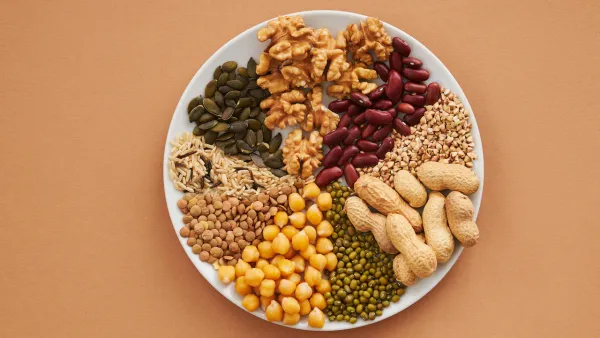
Photo: Pexels
Stay physically active: Regular movement improves insulin sensitivity and supports liver health. Even daily walking can make a significant difference.

Photo: Pexels
Protect sleep and manage stress Poor sleep and chronic stress can increase inflammatory hormones
and worsened metabolic imbalance.
Instead of focusing only on weight loss, a more helpful approach may be to improve the overall lifestyle to balance the metabolism. Metabolic health is not just about eating less or losing weight. It is about creating daily habits that allow the body to function smoothly and recover from stress.
-
Rajasthan ACB busts 'bribery racket'; Cong accuses agri minister of conducting raids for extortion

-
4,800 illegal immigrants sent to B'desh from holding centres, 836 awaiting deportation: Bengal CM

-
UP man booked in Pilibhit for getting two passports with different identities

-
Biometric technology is everywhere and constantly evolving – but not without risks

-
Aakash Tigers Secure Thrilling Victory Over ARCS Andheri in T20 Mumbai League