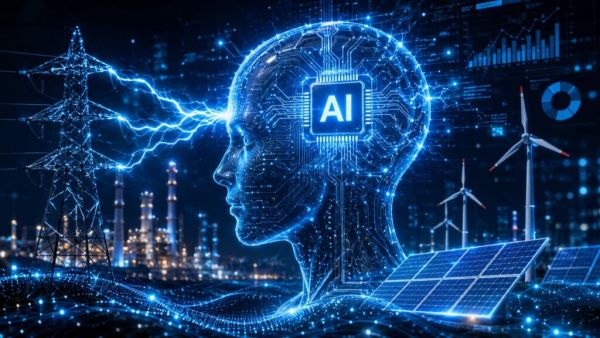
- According to a United Nations report, AI-enabled systems could consume about 3 percent of the world’s total electricity consumption by 2030.
- Demand for electricity is predicted to double due to the growing needs of AI data centers.
- With nearly 90 percent of cloud infrastructure in the AI sector concentrated in the US and China, the digital divide is likely to widen.
Over the past few years of AI Its usage and popularity has increased tremendously. AI is being used in every field. It is definitely benefiting. But there are also concerns about the growing use of AI. Because with the increasing use of AI, the impact on the environment has also increased. This could double electricity demand by 2030, with AI-enabled systems consuming approximately 3 percent of the world’s total electricity consumption by 2030, a report has now presented.
OnePlus sale will start soon! From Smartphones to Tablets… Shop at your heart’s content with offers and discounts
Increasing use of AI raises water concerns
A new report from the United Nations (UN) has issued a dire warning about the pressure on energy and natural resources due to the increasing use of AI. According to the report, AI-enabled systems could consume roughly 3 percent of the world’s total electricity consumption by 2030, while the water used to cool data centers could exceed the global population’s annual drinking water needs.
Along with the growing power and popularity of AI, its environmental impacts are also growing rapidly, the report said. It is argued that, over time, AI models will become more efficient and less energy-intensive, thereby reducing their environmental costs. However, the report concludes that this assumption may be misleading.
Electricity demand to double by 2030
According to the report, data centers around the world used as much electricity as Saudi Arabia last year. Saudi Arabia is the world’s 11th largest electricity consumer. According to estimates, if electricity demand doubles by 2030, 6.7 billion trees will need to be planted over 10 years to reduce its carbon footprint.
Ramram to password and OTP! Vi and Meta come with a new log-in feature… using social media apps will be even easier
90% of capacity in US-China hands
According to the study, data centers would require 9.3 trillion liters of water and a land area potentially 10 times the size of Mexico City. Only 32 countries have AI-specific cloud infrastructure, and 90% of that capacity is concentrated in the US and China. This could widen the digital divide between countries and regions that develop and control AI systems, and those that only use them. The environmental burden associated with AI is also not equally divided. The impacts of mineral extraction and electronic waste (e-waste) often fall more severely on countries that are not major producers of AI technologies.
-
Stephen Curry opens up about emotional conversation with wife Ayesha Curry that changed their relationship forever

-
Major setback for Arsenal as Julian Alvarez poised to reject move citing disinterest in living in London

-
Greece vs Italy Score Prediction, Head-to-Head and Statistics in Friendly Match

-
Morocco vs Norway Score Prediction, Head-to-Head and Statistics in the Friendly Match

-
Sugar vs Jaggery: Which is more healthy between sugar and jaggery? Know the truth from the expert