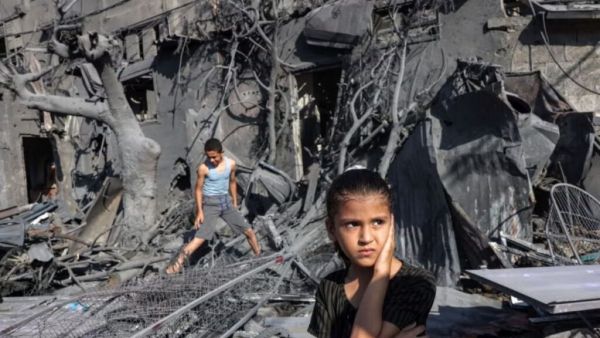
A fresh wave of displacement has been reported in southern Lebanon after Israeli authorities issued evacuation warnings for areas near the conflict zone, prompting residents of Arnabah and Angun to leave their homes in large numbers.
According to official Lebanese mediasignificant population movements were observed from the two towns shortly after the warning was issued. The latest evacuation comes amid continued military tensions between Israel and Hezbollahdespite ongoing diplomatic efforts aimed at stabilizing the situation along the border.
Evacuation warning triggers civilian movement
Residents began leaving the affected areas after the Israeli military issued alerts warning civilians to move away from locations it claims are linked to Hezbollah activity. Similar warnings have been issued repeatedly in recent weeks as Israeli forces continued military operations in southern Lebanon.
Local reports indicated that roads leading out of the affected towns witnessed increased traffic as families attempted to relocate to safer areas. Authorities have not yet released official figures regarding the number of people displaced from Arnabah and Anqun.
The latest movement adds to an already growing humanitarian challenge facing Lebanon, where repeated evacuation orders and military operations have forced large numbers of civilians to leave their homes.
Border tensions continue despite ceasefire efforts
The displacement comes at a time when international mediators are attempting to preserve a ceasefire framework announced earlier this week. Under the U.S.-backed proposal, Israel and Lebanon agreed to pursue measures aimed at reducing hostilities and improving security conditions in southern Lebanon.
However, fighting and military operations have continued in several areas despite diplomatic efforts. Israeli officials have maintained that operations against Hezbollah targets will continue, while Hezbollah leaders have publicly rejected restrictions on what they describe as resistance activities.
The ongoing security situation has created uncertainty for civilians living near the border, many of whom have experienced multiple rounds of displacement since the conflict escalated.
Humanitarian concerns grow
International organizations and United Nations officials have repeatedly expressed concern over the scale of displacement caused by evacuation orders and military activity across Lebanon. Recent assessments indicate that shelters in several regions are facing increasing pressure as more families seek refuge away from conflict zones.
Humanitarian agencies have warned that continued displacement could further strain Lebanon’s already fragile infrastructure and social services, particularly in communities hosting large numbers of displaced residents.
Local authorities are monitoring conditions in the affected areas and coordinating with emergency services to address immediate needs arising from the population movement.
Regional situation remains volatile
The latest evacuation warning underscores the fragile security environment in southern Lebanon. Despite diplomatic initiatives and ceasefire discussions, military tensions continue to shape daily life for residents living near the border.
Israeli evacuation alerts have become a recurring feature of the conflict, often preceding military operations targeting locations the Israeli military says are associated with Hezbollah. Previous warnings have covered numerous towns and villages across southern Lebanon and parts of the Bekaa region.
What happens next?
Attention is now focused on whether the latest displacement will remain temporary or develop into a broader humanitarian crisis. Officials have not announced when residents may be able to return to Arnabah and Anqun, and the security situation remains fluid.
As diplomatic contacts continue and military tensions persist, thousands of civilians across southern Lebanon remain caught between evacuation orders, security concerns, and uncertainty over the future of the conflict.
-
Congress slams BJP over RS poll nomination, stages sit-in at EC

-
The Bear Season 5 Trailer: Sydney takes charge as restaurant faces ruin

-
Summer Fashion: 6 Cotton Sleeveless Blouses For Teachers To Stay Cool In Style!

-
Wamiqa Gabbi’s Banarasi lehenga features cowrie shell and oversized sequins

-
Hyundai Fronx Rival Spotted Testing In India: Check Interior, Exterior, And Laucnh Timeline