The 2026 FIFA World Cup is set to kick off next week across 16 stadiums in North America, coinciding with a surge in summer temperatures in many host cities.
Amid the excitement of the global tournament, millions of fans and players are expected to face potential risks from extreme heat exposure.
More than one-third of the 2026 World Cup matches are projected to take place under conditions of high heat and humidity deemed hazardous.
In addition, dozens of other fixtures are classified under moderate heat risk. Some of the high-risk matches even include crucial games such as the third-place playoff and the final.
“Players can overheat, and so can match officials,” said Donal Mullan, a climate scientist from Queen’s University Belfast who has studied heat exposure risks for the 2026 World Cup, as quoted by NPR.
“They could become overheated and suffer serious health issues. It has happened to several individuals before,” he added.
Responding to the findings, FIFA reaffirmed its commitment to safeguarding the health and safety of everyone involved — from players and referees to supporters and staff.
The organization stated that several mitigation measures have been prepared, including adjusting match schedules to cooler times of day, adding extra hydration breaks, and installing cooling systems around the substitutes’ benches.
“Outdoor matches during the hottest hours have been strategically limited, kick-off times adjusted, and games expected to be played in high temperatures prioritized for enclosed stadiums whenever possible,” FIFA announced.
Furthermore, a range of cooling facilities will be activated at the venues, including shaded areas, misting systems, cooling buses, and expanded water distribution during extreme heat conditions.
However, FIFA has not elaborated on why some matches remain scheduled at locations and times considered high-risk.
European Teams Face Adaptation Challenge
In several host cities such as Houston and Dallas, stadiums are equipped with retractable roofs and temperature control systems to mitigate heat effects.
According to BBC reports, six host cities — Miami, Houston, Dallas, Monterrey, Kansas City, and Atlanta — are expected to experience temperatures reaching at least 32 degrees Celsius.
These conditions have already affected the England national team during their opening training session in West Palm Beach, Florida, where temperatures exceeded 32 degrees Celsius.
Nevertheless, the Three Lions are said to be employing a number of adaptation strategies, including the use of palm-cooling devices, which have become increasingly popular among professional athletes, including those at Manchester United.
Research has shown that this method helps lower core body temperature, speed up recovery, and enhance player performance on the field.
The England team is expected to utilize this technology during training and hydration breaks in matches.
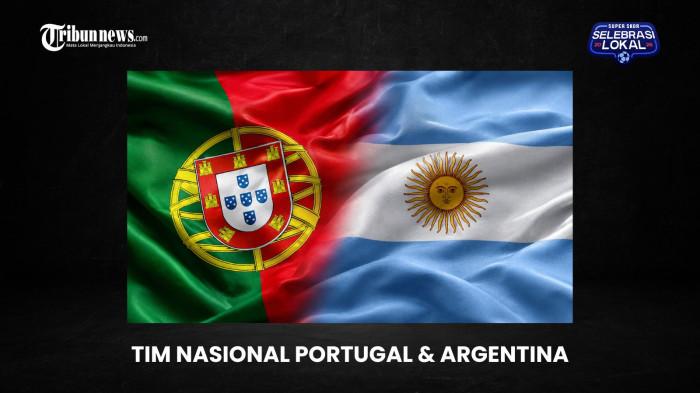
Other European nations, including Portugal led by Cristiano Ronaldo, will also need to adapt to the heat.
European players, who are more accustomed to cooler climates, must adjust to the warmer conditions prevalent across North America.
Despite the weather challenges, Portugal continues to receive strong backing.
One supporter is PSM Makassar midfielder Muhammad Arfan, who expressed his excitement about watching Cristiano Ronaldo perform in the tournament.
Arfan believes Ronaldo’s leadership remains a vital factor that can help Portugal compete at the highest level.
“Portugal has experienced and quality players. The key figure is Ronaldo,” Arfan said, as quoted by Tribun Timur.
“I’m optimistic Portugal will win their first World Cup title this year,” he affirmed.
South American Teams Hold an Advantage
Meanwhile, the heat conditions experienced during previous tournaments, such as the 2025 FIFA Club World Cup in the United States, serve as a preview of the challenges European players will face.
Borussia Dortmund coach Niko Kovac even expressed his discomfort during that event.
“We were sweating as if we were in a sauna,” Kovac remarked at the time.
On the other hand, South American teams like Argentina, led by Lionel Messi, and Brazil are believed to have an advantage due to their familiarity with warmer climates — a factor that could prove decisive at the 2026 World Cup.
A similar scenario occurred during the 1994 World Cup in the United States, when Brazil lifted the trophy after defeating Italy in a penalty shootout.
(Ali – Tribunnews.com) (Kaswadi Anwar – Tribun Timur)
-
Aiming to End Six-Decade Title Drought, England Team Receives Support from Great Britain Olympic Squad

-
Lionel Messi: 10 Lesser-Known Facts About the Football Legend

-
Have permission for protest in Delhi: Cockroach Janta Party

-
Andaman: Second natural gas discovery by OIL boosts exploration

-
Cockroach Janta Party founder Dipke arrives in Delhi for protest